
Last updated November 24, 2026
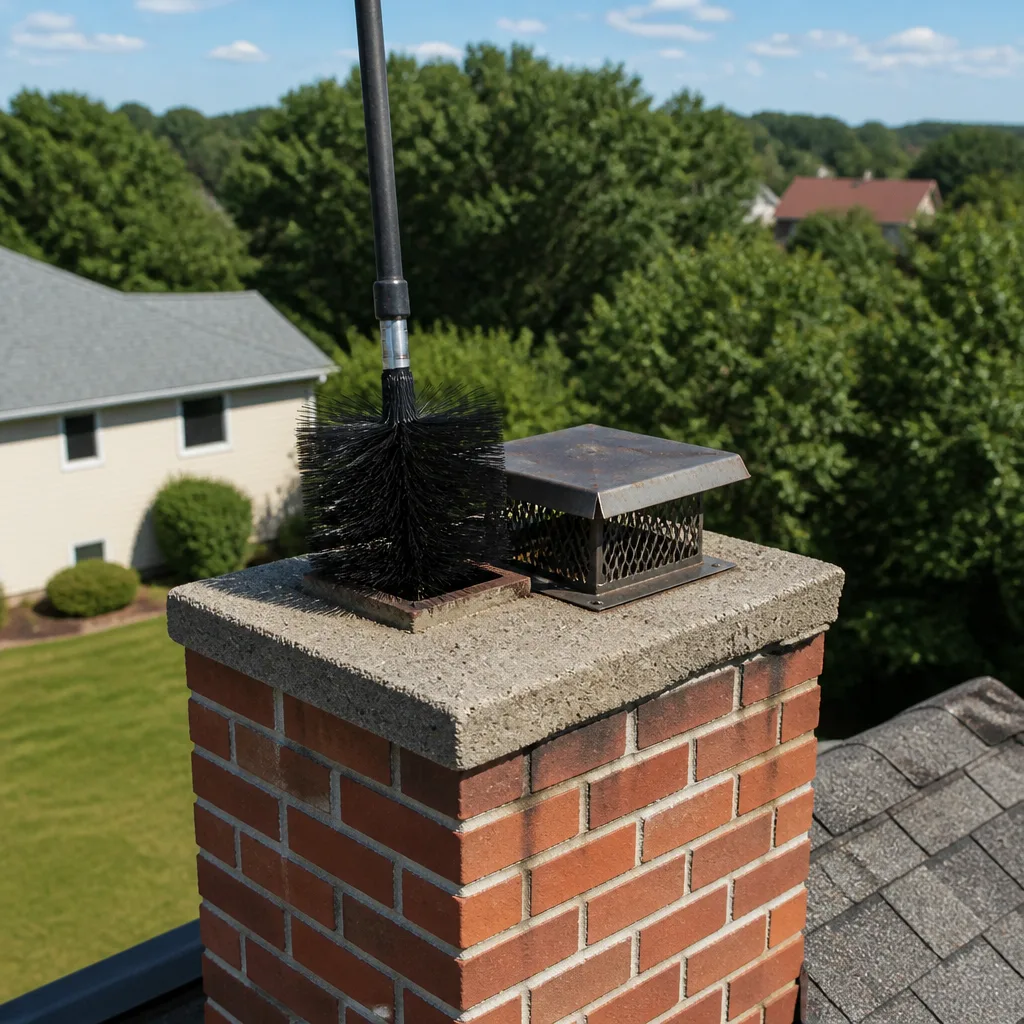 Sweep & inspection
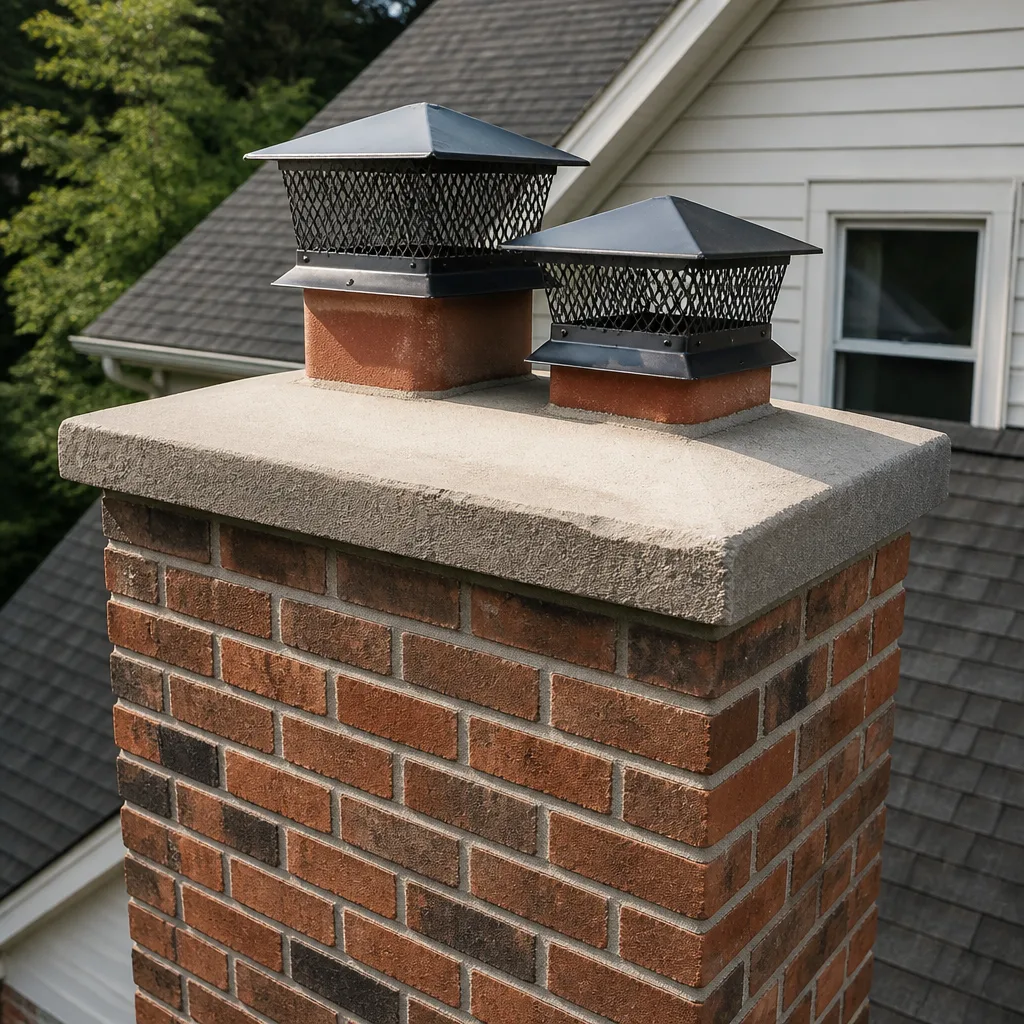 Caps & crowns
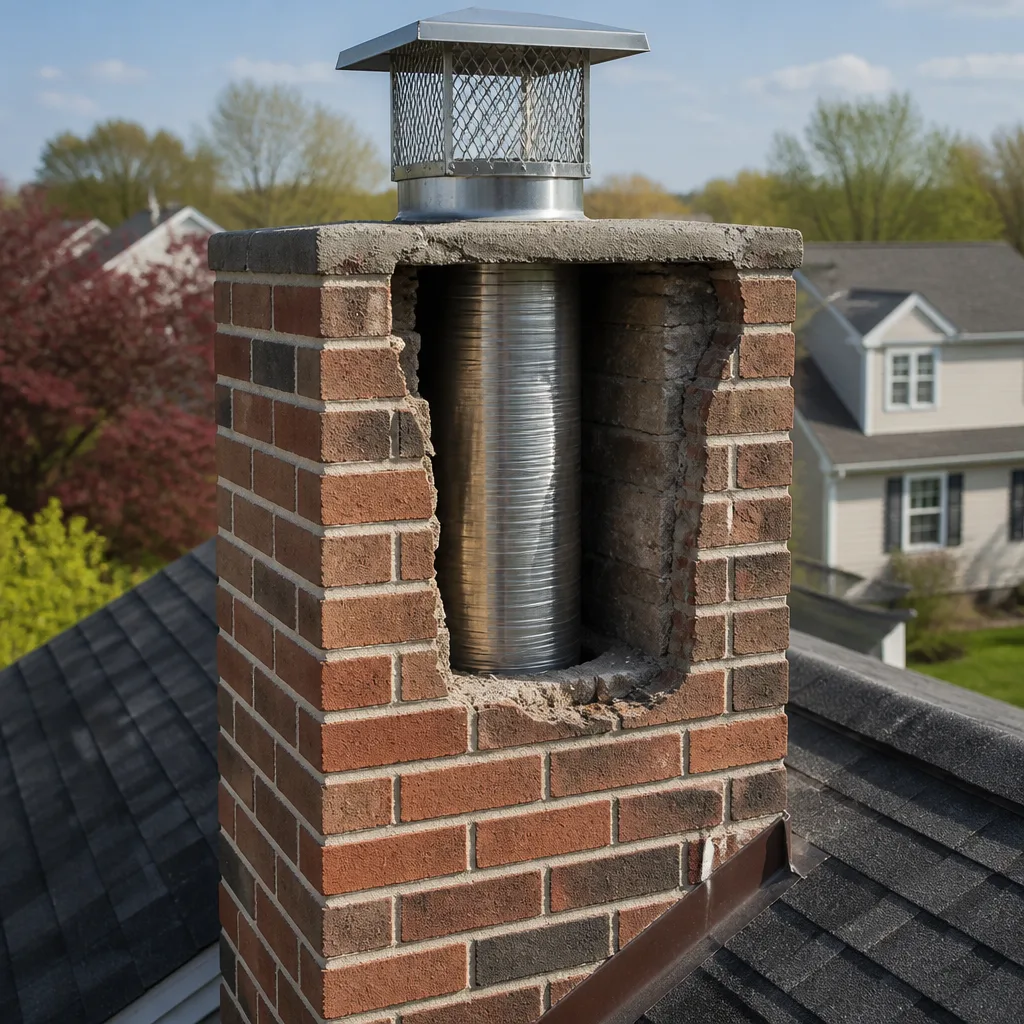 Flue relining
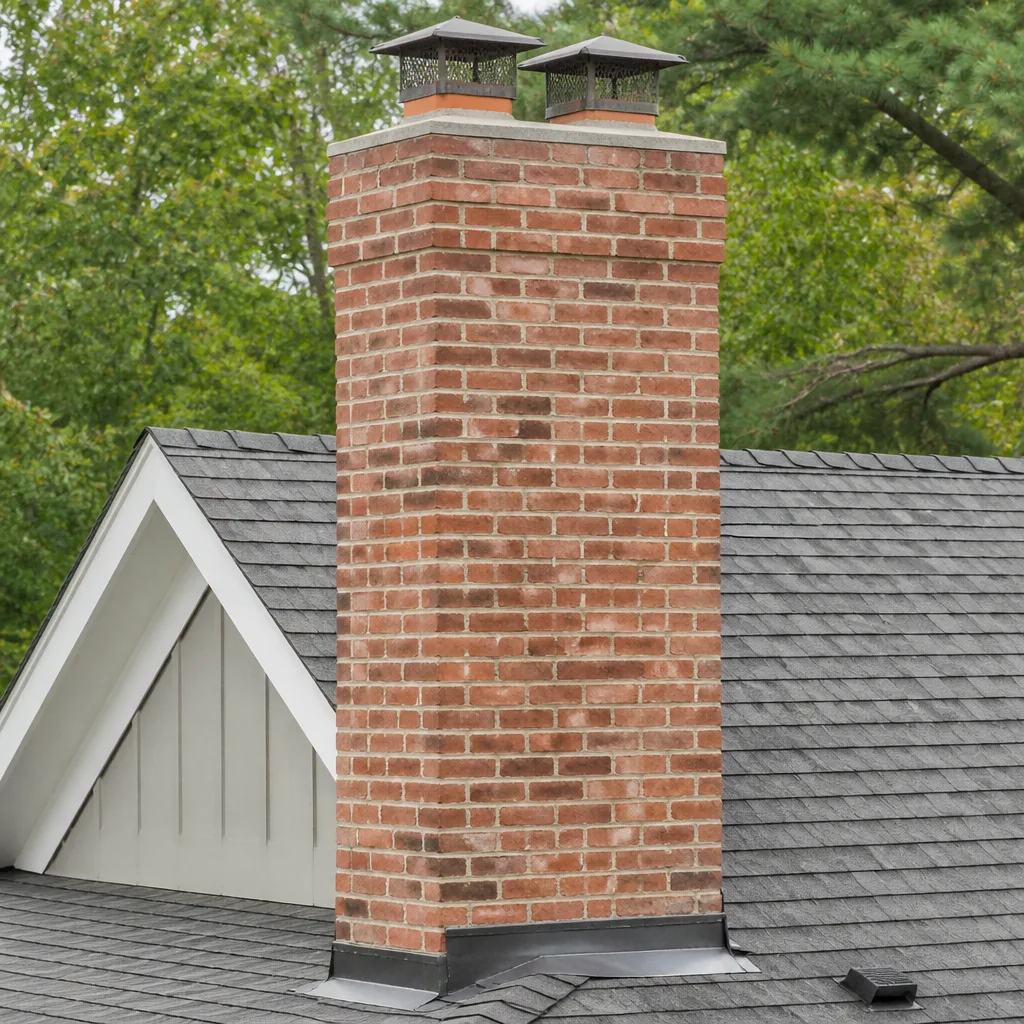 Masonry repair
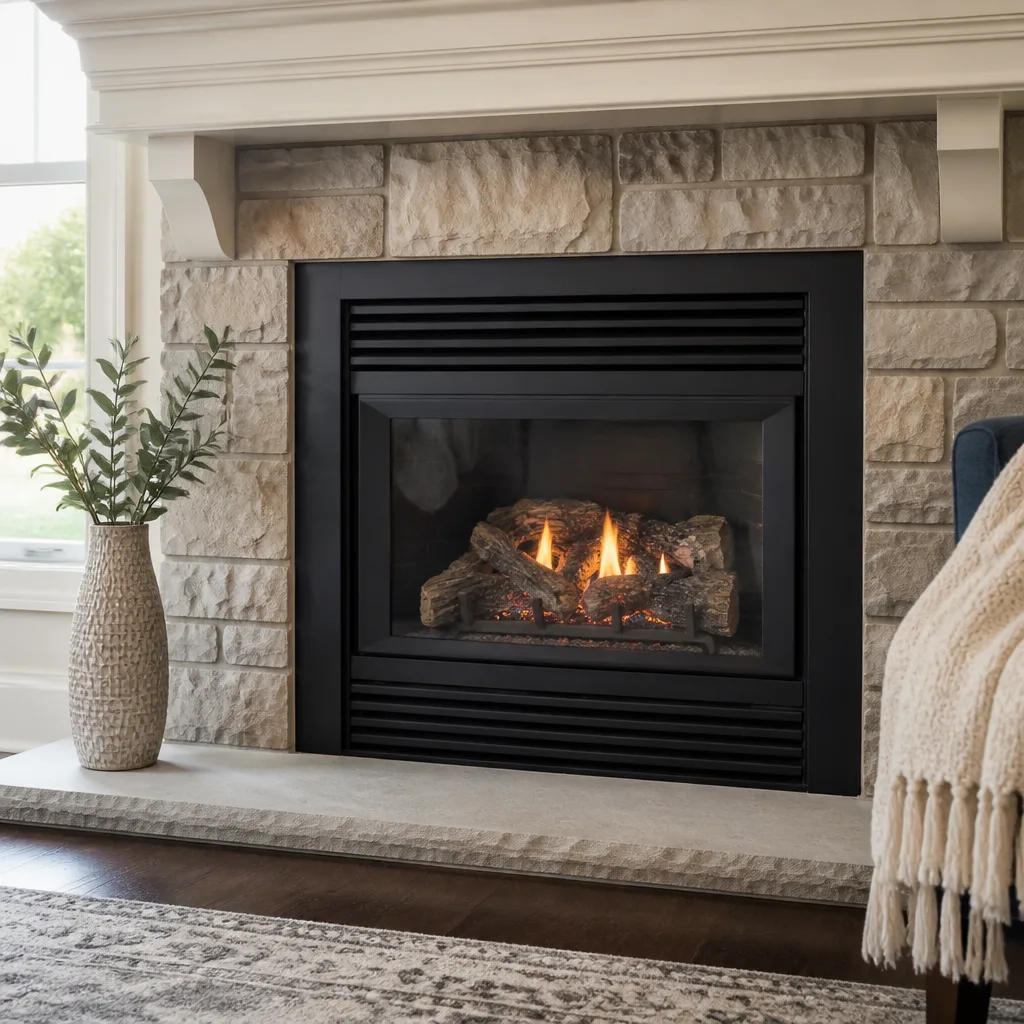 Gas fireplace service
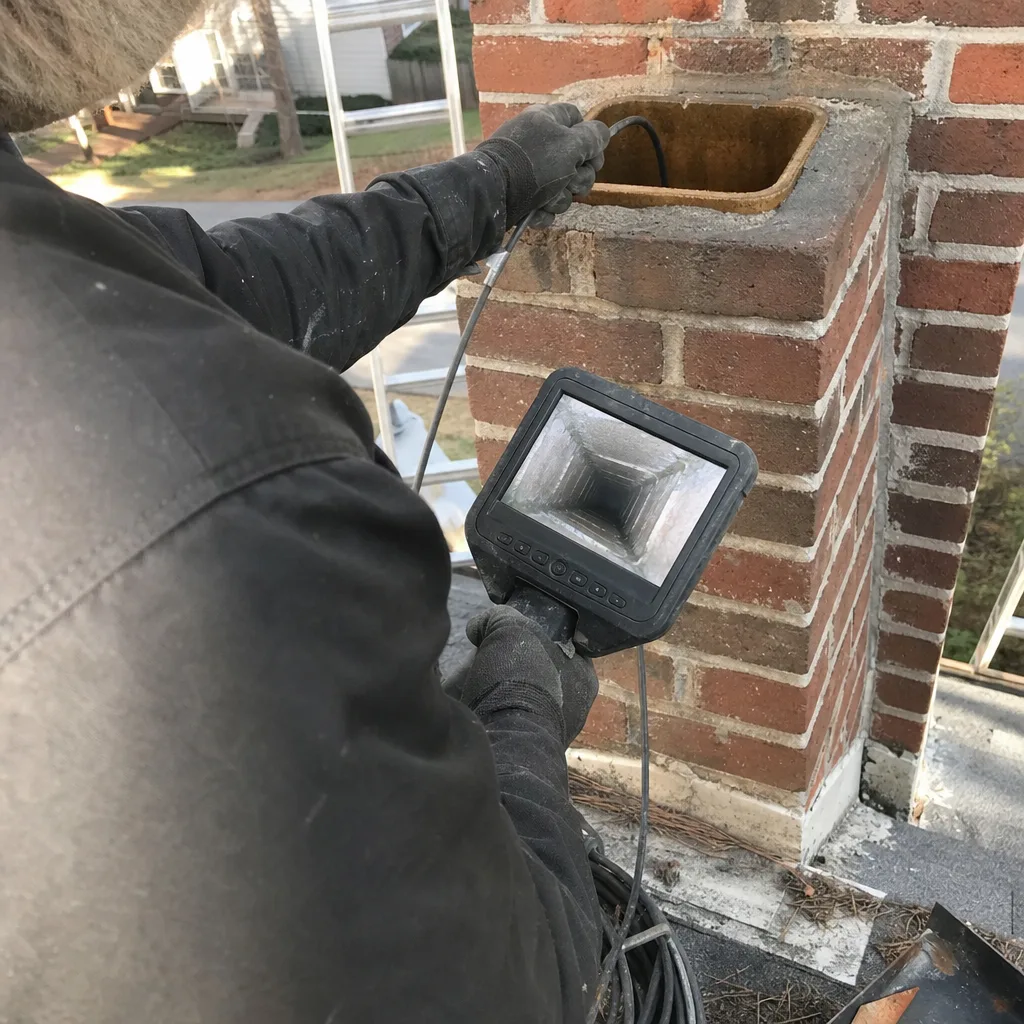
Level 1 sweep and inspection to the NFPA 211 annual standard - flue, crown, cap, and flashing checked and photographed
Chimney sweep logs do not sweep chimneys. They loosen some creosote - which then falls where a brush and vacuum still have to collect it.
Chimney Sweep Troubleshooting in Midtown: Common Problems and How to Fix Them
A chimney that smokes into the room after a cleaning isn’t dirty. It has a draft problem. That’s the first thing to get straight, because most homeowners call after a sweep expecting the smoke to stop, the smell to go away, or the staining to disappear – and when it doesn’t, they assume the sweep was bad. Usually the cleaning was fine. What was missing was a diagnosis: nobody asked why the creosote built up so fast, why smoke rolls out instead of up, or why the firebox has a white crust along the brick. This guide teaches you to read those symptoms the way a technician does, so the next call you make is for the right repair and not another brush. We’ll cover smoke behavior, staining, odor, creosote, and when a cleaning solves the problem versus when it can’t.
Quick Answer
Most chimney problems in Midtown fall into two categories: creosote and blockage problems, which a proper sweep solves, and draft or structural problems, which a sweep cannot fix and which need a diagnostic inspection to identify. If your fireplace smokes, smells, or stains after a recent cleaning, the issue is almost always draft, flue geometry, or moisture – not dirt. A Level 2 inspection with camera documentation is the step that separates the two, and it should come before any repair is quoted.
Styles & brands we work with
- Sweep & inspection
- Caps & crowns
- Flue relining
- Masonry repair
- Gas fireplace service
Table of Contents
- Cleaning Problems vs. Structural Problems: How to Tell the Difference
- Reading Your Smoke: Downdraft, Lazy Smoke, and Puffback
- What the Stains in Your Firebox Are Telling You
- Why a Swept Chimney Still Smells – and What Actually Fixes It
- Creosote Stages and What Each One Means for Your Flue
- Moisture, Caps, and Crowns: The Midtown Rain Problem
- Monitor It Yourself, or Get a Level 2 Inspection?
- Why Older Midtown Housing Stock Produces Odd Chimney Behavior
Cleaning Problems vs. Structural Problems: How to Tell the Difference
The single most useful skill in chimney troubleshooting is sorting your symptom into one of two buckets before you call anyone. Bucket one is buildup and blockage: creosote deposits, soot, a bird nest, a fallen tile, a leaf pack at the top of the flue. A thorough chimney sweep removes these, and the fireplace behaves better afterward. Bucket two is draft and structure: the flue is the wrong size for the firebox, the liner is cracked, the chimney is short relative to the roofline, the damper doesn’t seal, the crown is failing and letting water in. No amount of brushing touches any of those.
Here’s a quick sort you can do yourself before calling:
- Did the problem start suddenly, or has it always been there? Sudden onset points to a new blockage – nest, debris, a shifted tile. A problem that has been there since you moved in points to geometry or structure.
- Does it happen on every fire, or only in certain weather? Weather-dependent smoke is almost always draft. Year-round smoke suggests flue sizing or a blockage.
- Did the last cleaning change anything at all? If a sweep made no difference, the sweep wasn’t the problem.
- Is there water, rust, or white staining anywhere? That’s moisture, and moisture is structural, not cleanliness.
In our experience across Midtown, the majority of “my chimney needs cleaning again” calls resolve into bucket two once someone actually looks at the flue with a camera. That’s why every job we take on begins with an inspection. We document what we find before we recommend anything – photographs of the flue interior, the crown, the cap, the firebox – so you can see the same evidence we’re working from. A sweep is a starting point, not the whole job.
Reading Your Smoke: Downdraft, Lazy Smoke, and Puffback
Smoke tells you what the chimney is doing wrong if you watch how it moves. Three patterns cover most of what we see in Midtown, and each points to a different fix.
Downdraft
Downdraft is smoke that spills into the room the moment you light the fire, before the flue has warmed. Cold air is heavier than warm air, so a cold flue full of dense air pushes back against the smoke trying to rise. In Midtown, where winter mornings can start cold enough that the flue is thoroughly chilled, this is common. A pre-heat – a rolled newspaper held near the damper, or a small kindling fire – often gets the draft moving. If pre-heating always works, you have a cold-flue problem, not a blockage. If it doesn’t, look further.
Lazy Smoke
Lazy smoke rises a little and then hangs and curls back into the room instead of climbing the flue. That’s a weak draft, and weak draft has a handful of usual causes: the flue is oversized for the firebox, the chimney is too short for the surrounding roofline, there’s an obstruction partway up, or the flue is leaking air through cracks that dilute the draft. A camera inspection of the flue answers which one it is. This is the pattern most often mistaken for “needs a cleaning” when the real issue is flue geometry.
Puffback
Puffback is the sharp, rhythmic puff of smoke and soot out of the fireplace opening, often with a small boom. It happens when ignition of accumulated gases in the firebox is delayed and then releases at once – usually a sign of restricted draft combined with a hot fire and limited air. Puffback is a genuine safety signal. Stop using the fireplace and get the flue inspected before the next fire. It can point to a partial blockage, a collapsed liner section, or a damper that isn’t opening fully, and none of those are things to burn through.
What the Stains in Your Firebox Are Telling You
Staining is the chimney writing down its own diagnosis. The color and texture of what’s on the brick tell a technician what’s happening inside the flue, and you can read the same signs.
- White, powdery crust (efflorescence). This is the residue left when water moves through masonry, dissolves salts, and evaporates at the surface. It means moisture is getting into the brick or mortar and migrating outward. The source is usually above: a failing crown, a missing or damaged cap, or deteriorated mortar joints letting rain in. Cleaning the white off the surface changes nothing; the water has to be stopped at the top.
- Black, glossy streaking. That’s creosote that has condensed on cooler surfaces, typically near the top of the firebox or on the smoke chamber. Glossy black creosote is the stage that’s hardest to brush off and the stage most associated with chimney fire risk. It often means the fire is being run cool and smoldering rather than hot, or the flue is cooling the smoke too quickly.
- Rust or brown-orange staining. Rust on the firebox, damper, or firebox components means prolonged moisture exposure. Metal doesn’t rust in a dry flue. If you see rust, water is entering the system somewhere, and the fix is at the cap, crown, or flashing – not the firebox.
- Dark soot with a soft, oily texture. This is normal soot mixed with early-stage creosote and is generally what a routine cleaning addresses. Soft soot on its own isn’t a red flag; soft soot combined with any of the three above is.
Staining matters because it tells you which system to look at. White and rust both point up and out, toward moisture and the components that keep water out. Glossy black points inward, toward how the fire is being burned and how the flue is performing. Treating the wrong system is how homeowners end up paying for a cleaning that doesn’t change the stain.
Why a Swept Chimney Still Smells – and What Actually Fixes It
A freshly swept chimney can still smell, and the reason surprises people: the smell usually isn’t in the flue. Odor comes from creosote and soot residue that lives where a brush doesn’t easily reach, and from the fact that a chimney is a big open column of air connected to your living space. Any residual creosote in the smoke chamber, on the damper, or in the firebox will release that sharp, smoky smell when the humidity rises or the barometric pressure drops. In Midtown’s damp spring and fall, that’s a lot of the year.
What actually fixes chimney odor, in order of how often it’s the real cause:
- A complete cleaning of the whole system, not just the flue. The smoke chamber, damper, firebox floor, and firebox walls all hold residue. A sweep that only brushes the flue leaves the source in place.
- Moisture control. Damp creosote smells much stronger than dry creosote. A properly fitted cap and a sound crown keep rain out, and that alone reduces odor noticeably.
- A sealing damper. If the damper doesn’t close tightly, the chimney is a permanent open vent into the room, and every smell in the flue comes with it.
- Addressing the creosote itself. Heavy, glazed creosote keeps releasing odor until it’s removed. If the flue has reached that stage, cleaning or restoration is the fix – not a deodorizer.
What doesn’t fix odor: sprays, candles, air fresheners, or “chimney deodorizing” products. Those mask the smell for a day. If the underlying creosote, moisture, or damper problem is still there, the smell comes back. If your chimney smell keeps returning after a cleaning, that’s your cue that something is still holding residue or moisture, and it’s worth having the whole system looked at from the firebox to the cap.
Creosote Stages and What Each One Means for Your Flue
Creosote is the byproduct of incomplete combustion, and it forms in three recognizable stages. Knowing which stage you’re in tells you what kind of fix you’re facing, and it’s the single most useful piece of information a sweep can give you.
- Stage 1: soot and flaky, dusty creosote. Soft, easy to brush. This is what routine cleaning handles, and it’s mostly a matter of keeping the flue clear and the draft healthy.
- Stage 2: hard, crusty creosote. Brushing alone won’t fully remove it. It needs more aggressive cleaning tools, and sometimes chemical treatment to soften it before removal. This stage is where a lot of flues sit unnoticed.
- Stage 3: glazed, hardened creosote. This is the fuel-load stage. Glazed creosote is dense and burns hot, and it’s the stage most associated with chimney fires. Brushing doesn’t remove it. In many cases the right answer is restoration rather than endless scraping.
This is where material choice matters, and where we differ from a sweep-only outfit. For flues that qualify, we apply HeatShield ceramic flue resurfacing – a trained-application restoration system that rebuilds a smooth, sound flue surface over certain damaged or heavily glazed liners, avoiding a full reline where the flue geometry allows it. When a full reline is the right answer instead, we install DuraFlex flexible liner systems, which handle the offsets and complex flue geometries common in older Midtown housing stock. The right repair, with the right material, for the condition we actually documented. That’s the difference between a fix and a repeat visit.
Moisture, Caps, and Crowns: The Midtown Rain Problem
Water is the most destructive thing that gets into a chimney, and it’s the root of more “chimney problems” than fire ever is. It comes down to two components at the top of the chimney: the cap and the crown.
The crown is the concrete or masonry surface at the very top that sheds rain away from the flue opening. When it cracks – and it does, from freeze-thaw cycles and ordinary age – water gets into the masonry below and works its way down. The cap is the cover over the flue opening that keeps rain, birds, and debris out while letting smoke through. A missing, loose, or undersized cap is an open door for water.
The Midtown-specific wrinkle is that our climate swings. Wet periods followed by dry ones, plus the occasional hard freeze, are rough on mortar and concrete. A crown that was fine for years can crack through one cold snap and start letting water in. That water shows up as the white efflorescence and rust we covered earlier, and it eventually damages the firebox and the flue.
This is why chimney cap & crown work matters and why we install purpose-built components rather than improvising. We fit caps from Gelco and Famco, and we rebuild crowns to shed water properly. A cap and crown done right is one of the least expensive ways to protect everything below it, and it’s the fix most often skipped when a sweep-only service visits. If your chimney has white staining or rust, ask specifically about the cap and crown before anything else.
Monitor It Yourself, or Get a Level 2 Inspection?
Not every symptom needs a technician today. Some you can watch for a season. Others are a stop-use-and-inspect signal. Here’s how to sort it.
You can monitor when:
- The fireplace smokes only on cold-start and pre-heating reliably fixes it.
- Smoke behavior is normal after the fire is established.
- There’s mild odor after a recent cleaning that fades as the flue dries out.
- You have no rust, no white staining, and no puffback.
You need a Level 2 inspection before the next fire when:
- You’ve had a puffback, or smoke has rolled into the room repeatedly.
- There’s rust or white efflorescence in the firebox.
- You’ve had a chimney fire, even a small one you think you put out.
- You’ve moved into a Midtown home and don’t know the chimney’s history.
- You’ve changed fuel type, or a liner or appliance has been replaced.
- The flue has visible glazed creosote.
A Level 2 inspection is the deep look: camera inspection of the flue interior, plus the accessible parts of the chimney, crown, cap, and firebox. It’s the step that turns “I think it needs a cleaning” into a documented answer. We include camera inspection and a photo report on every inspection, so you see what we see. When a problem can wait, we say so. When it can’t, the photos make the reason clear.
Why Older Midtown Housing Stock Produces Odd Chimney Behavior
Midtown’s housing is a big part of why chimney troubleshooting here is different. Many homes were built with masonry chimneys that have since been asked to do jobs they weren’t designed for – a modern, hotter-burning insert dropped into a flue sized for an open fire, a gas appliance tied into a flue built for wood, a damper replaced with something that doesn’t seal. The result is a lot of chimneys that are structurally intact but functionally mismatched to what’s now connected to them.
Old masonry flues also have offsets and bends built in. Those are exactly the places where creosote collects, where draft slows, and where sealing a flue with rigid components fails. Flexible liner systems like DuraFlex exist for this reason: they can follow an offset flue the way rigid pipe can’t. If a sweep tells you your flue “can’t be lined,” the right question is whether the right flexible system was considered.
The other pattern we see is deferred cap and crown work. A crown that’s been slowly failing for years lets water in, and the water damage is what eventually prompts the call. That’s why, in Midtown, chimney repair so often ends up being crown and cap work plus the firebox restoration the water damage caused – and why we handle the whole system from the firebox up through fireplace repair and cap work, rather than handing you off to a mason mid-job. From the firebox to the cap, we service the whole system.
Common Mistakes to Avoid
- Assuming every problem is a cleaning problem. If a sweep doesn’t change your symptom, the problem was never in the brush’s reach. Get a diagnostic inspection instead of booking another cleaning.
- Treating white staining as cosmetic. Efflorescence means water is moving through your masonry. Wiping it off hides the evidence while the water keeps doing damage.
- Masking chimney odor with sprays and candles. Odor comes from creosote and moisture. Covering it up leaves the source in place, and in Midtown’s damp seasons the smell returns quickly.
- Buying a cap that doesn’t fit the flue. An undersized or loose cap lets rain and birds in and can rattle loose in wind. Caps need to fit the actual flue opening, which is why we fit Gelco and Famco components sized to the job.
- Skipping the inspection after a chimney fire. Even a small chimney fire can crack a liner or open a joint. The damage isn’t always visible from the firebox, and it needs a camera to find.
- Letting a sweep-only service leave without documenting the flue. A cleaning with no inspection and no photos tells you nothing about creosote stage, liner condition, or crown condition. Ask for the findings.
- Burning through a puffback. Puffback is a draft restriction signal. Keep lighting fires and you’re pushing smoke and heat back into a flue that’s telling you it can’t clear them.
See the difference
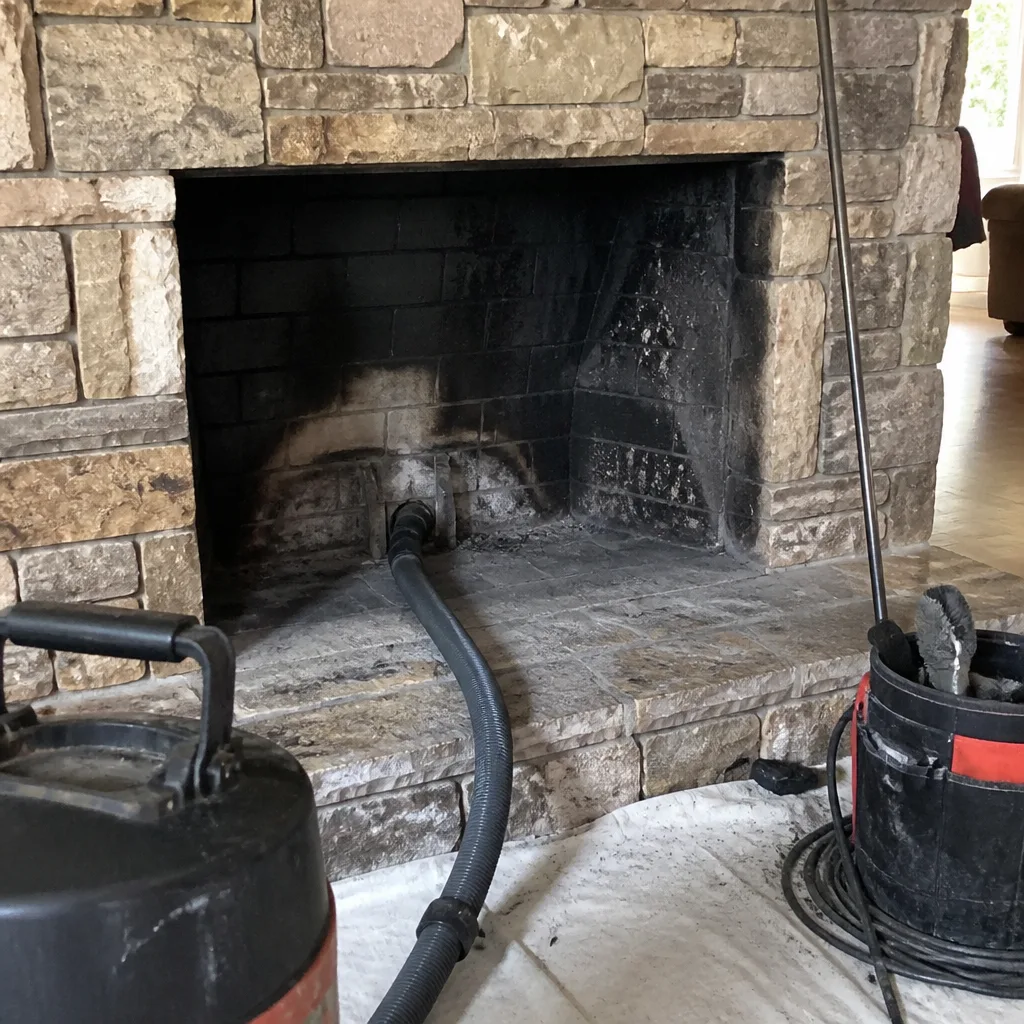 Before
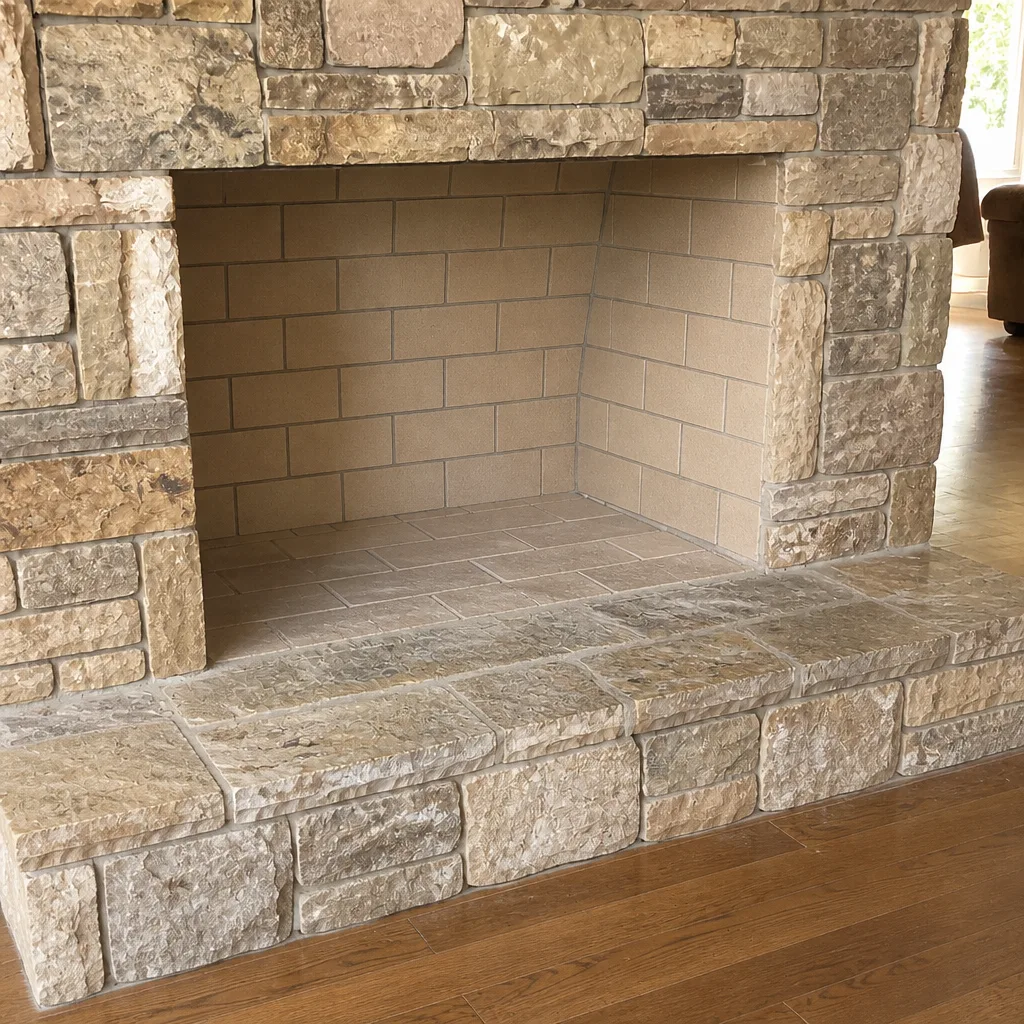 After
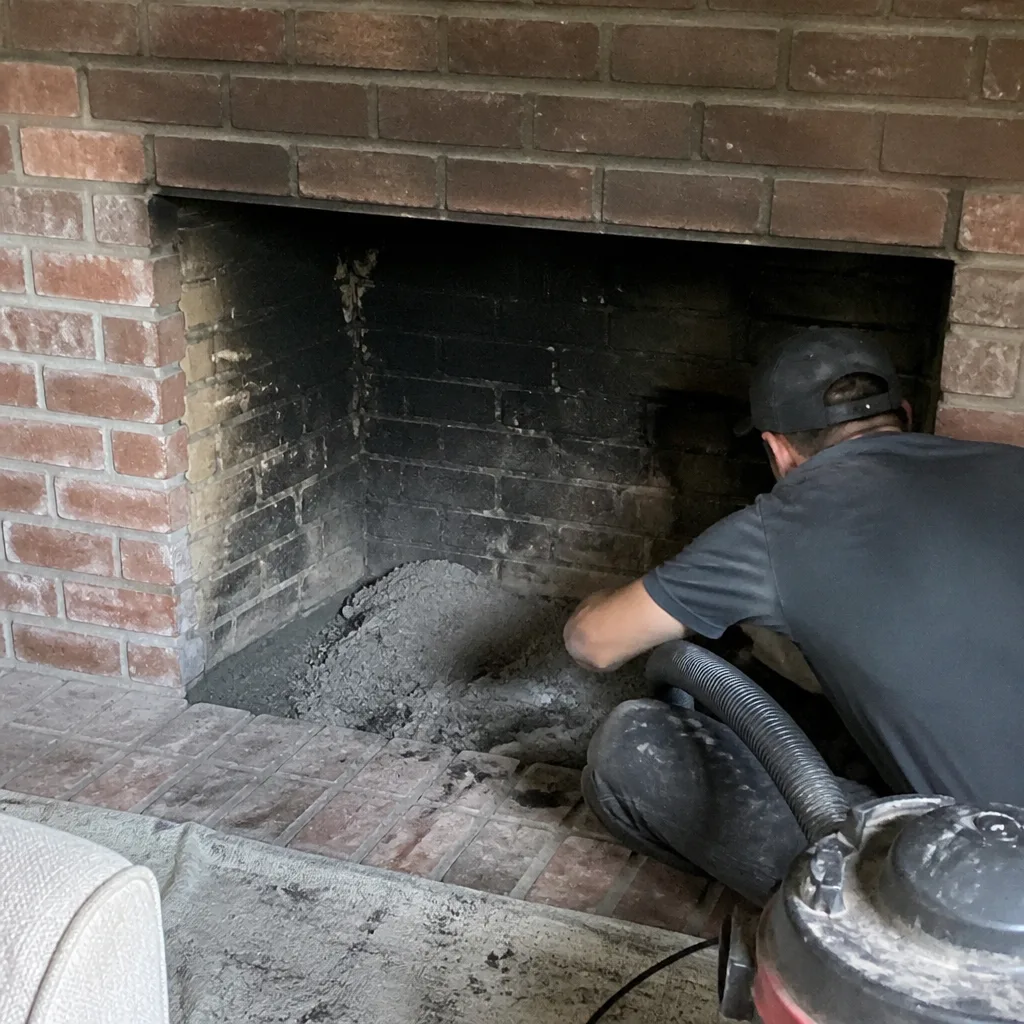 Before
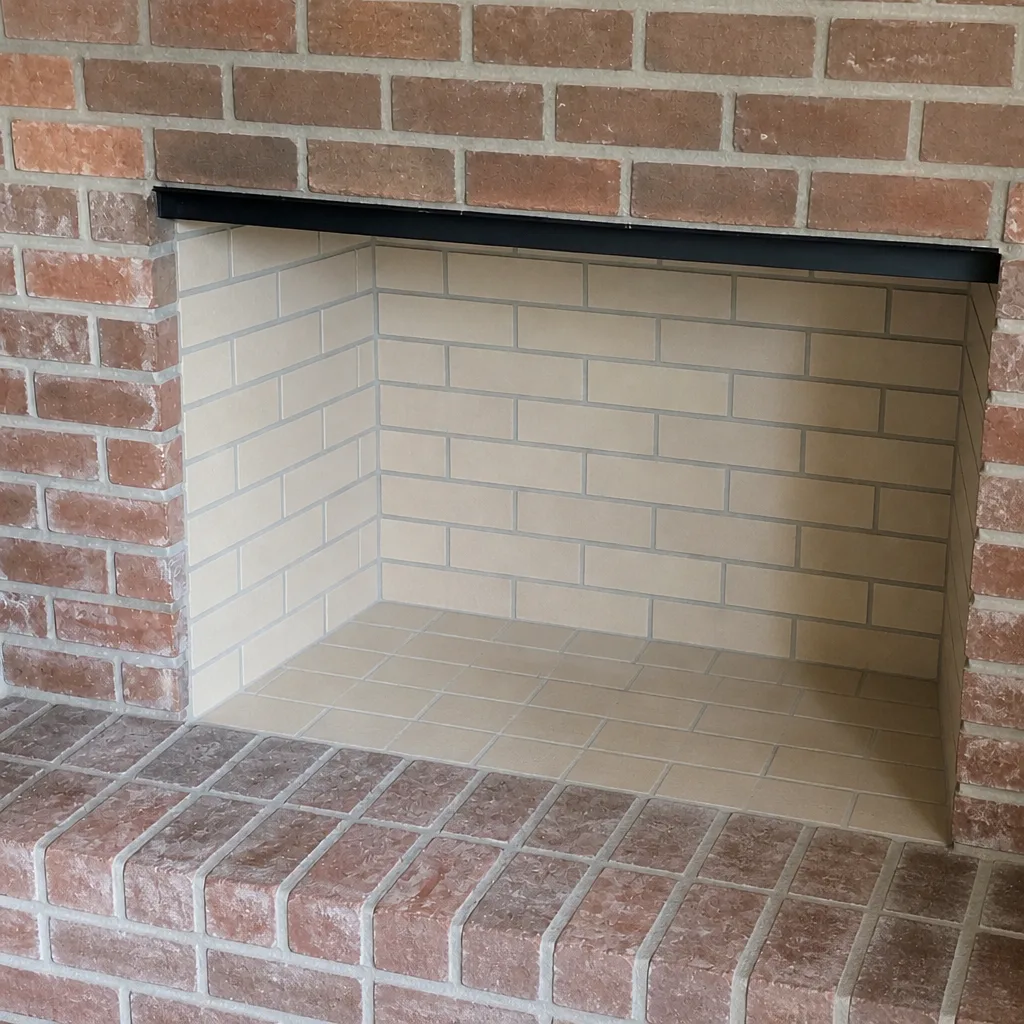 After
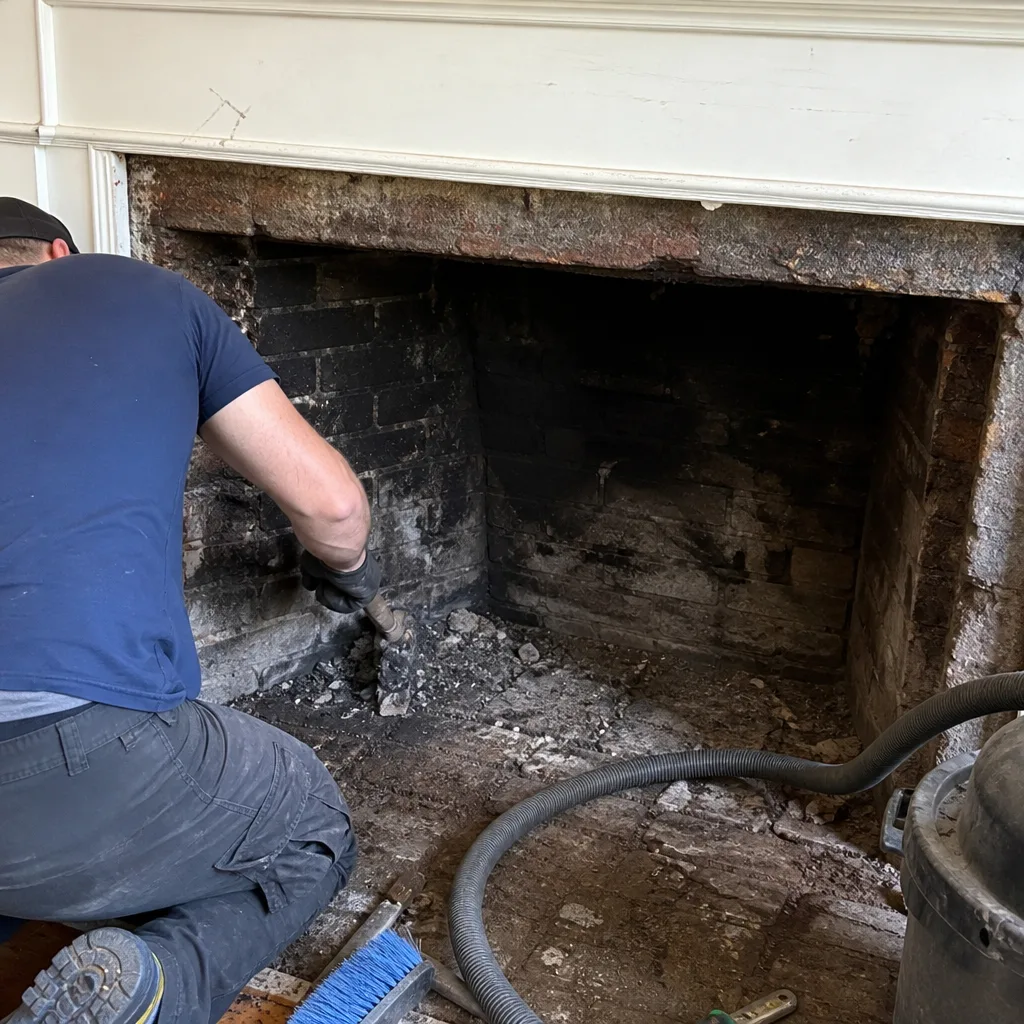 Before
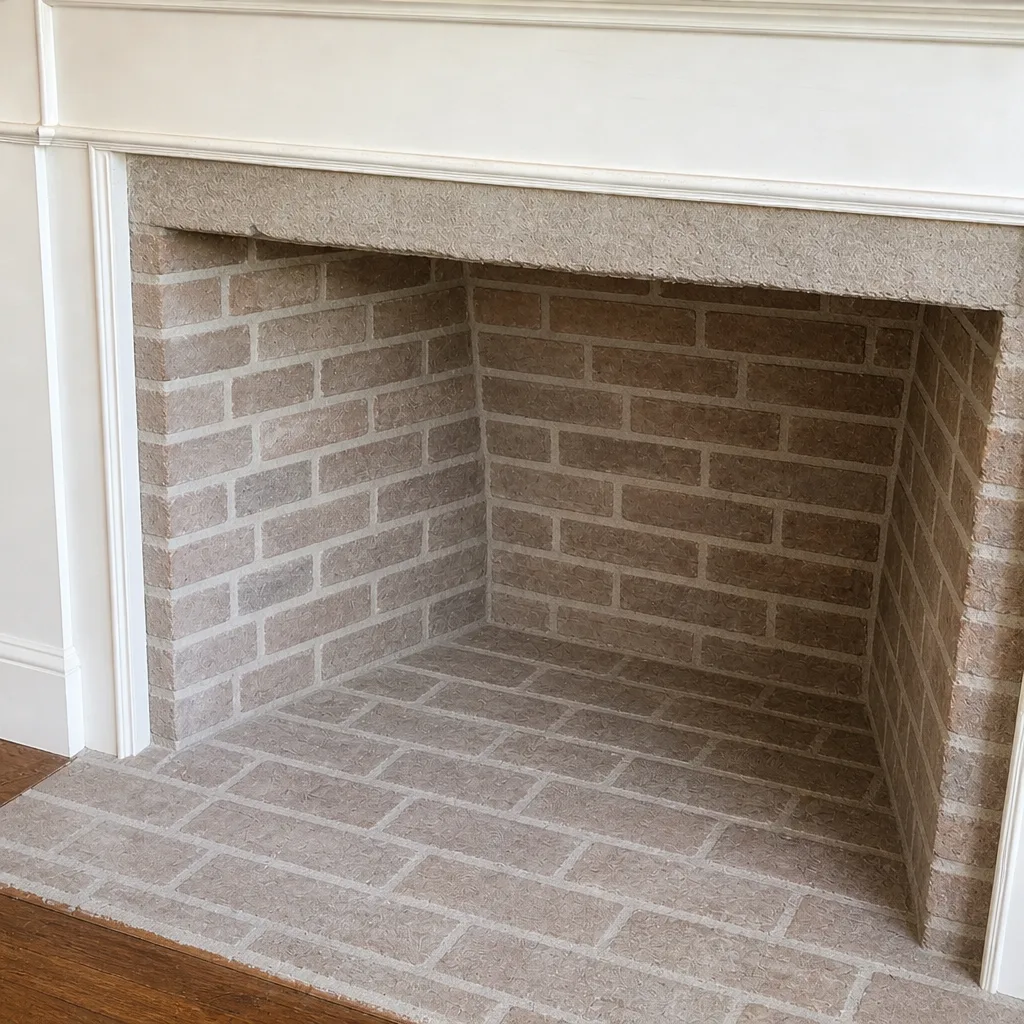 After
When to Call a Professional
Call a professional if you’ve had a puffback or repeated smoke rollback, if you see rust or white efflorescence in the firebox, if you’ve had any chimney fire, or if the flue has visible glazed creosote. Also call if you’ve moved into a Midtown home and don’t know the chimney’s history, or if a recent sweep didn’t solve the problem you called about. Those are the situations where a Level 2 inspection with camera documentation is the right next step, and where guessing gets expensive. Our technicians have up to 14 years of experience, and every job we take on begins with an inspection so the repair is grounded in what we actually find. Chimney Sweep Midtown offers free estimates in Midtown – call (877) 820-8520. We answer 24/7. Fast dispatch from 7am to 7pm, Sunday through Friday.
Frequently Asked Questions
A standard chimney sweep in Midtown is priced per job by a written estimate, and the estimate itself is free, so the number you get reflects your actual flue and not a flat rate that may not fit. A cleaning on a straightforward flue and a cleaning plus a full inspection are different jobs, and the estimate should say which you’re getting. Call (877) 820-8520 for an exact quote – estimates are free.
Because smoke after a cleaning is a draft or structural problem, not a dirt problem. Common causes are a cold flue, an oversized flue relative to the firebox, a chimney that’s too short for the roofline, a partially blocked flue, or a leaking liner that dilutes the draft. A camera inspection of the flue identifies which one, and that’s the step to take next rather than booking another cleaning. Call (877) 820-8520 to schedule an inspection with a photo report.
You need a liner when the existing flue is cracked, deteriorated, or so heavily glazed it can’t be cleaned – and you should never take that on faith. Ask to see the camera footage and the photos of the flue interior. A legitimate recommendation comes with documented evidence you can look at yourself, and when a flue qualifies for HeatShield ceramic resurfacing, that restoration can be the right answer instead of a full reline. Call (877) 820-8520 and we’ll show you what’s in your flue before recommending anything.
Sweep when the creosote reaches the point where it needs removal, which for a regularly used wood-burning fireplace usually means an annual inspection and cleaning as needed. How fast creosote builds depends on how hot you burn, how dry your wood is, and how the flue performs – a smoldering fire builds creosote far faster than a hot one. In Midtown, the practical approach is an annual inspection that tells you whether cleaning is actually needed this year. Call (877) 820-8520 to book one.
The creosote keeps building, the moisture keeps coming in, and the problems get more expensive to fix in that order. Stage 1 creosote is easy to brush; stage 3 glazed creosote is the stage associated with chimney fires and needs restoration or relining. Water damage from a failing crown or cap spreads into the firebox and masonry. Skipping maintenance doesn’t create a sudden crisis; it just moves the repair up the cost curve. Call (877) 820-8520 for a free estimate before the next burning season.
Yes, in most cases the crown and cap are addressed on their own, because that’s where the water is getting in and that’s what needs fixing. We install caps from Gelco and Famco and rebuild crowns to shed water properly, and those repairs protect the chimney below without touching the parts that are still sound. The one thing to confirm first is whether water has already damaged the flue or firebox, which the inspection will show. Call (877) 820-8520 for a free estimate on cap and crown work.
The Bottom Line
The core lesson of chimney troubleshooting is that symptoms tell you which system to fix. Smoke that lingers is draft, not dirt. White staining and rust are water, not cleanliness. Persistent odor is residual creosote and moisture, not a cleaning failure. Glazed creosote is a restoration question, not a brushing one. Read your chimney’s signals first, get a Level 2 inspection with camera documentation when any of the stop-use signals show up, and make the repair that matches the cause. In Midtown, with our rain and freeze-thaw swings and older masonry flues, that discipline pays for itself. Call (877) 820-8520. We answer 24/7. Fast dispatch from 7am to 7pm, Sunday through Friday.
Written by the team at Chimney Sweep Midtown.