
Last updated November 24, 2026
 Sweep & inspection
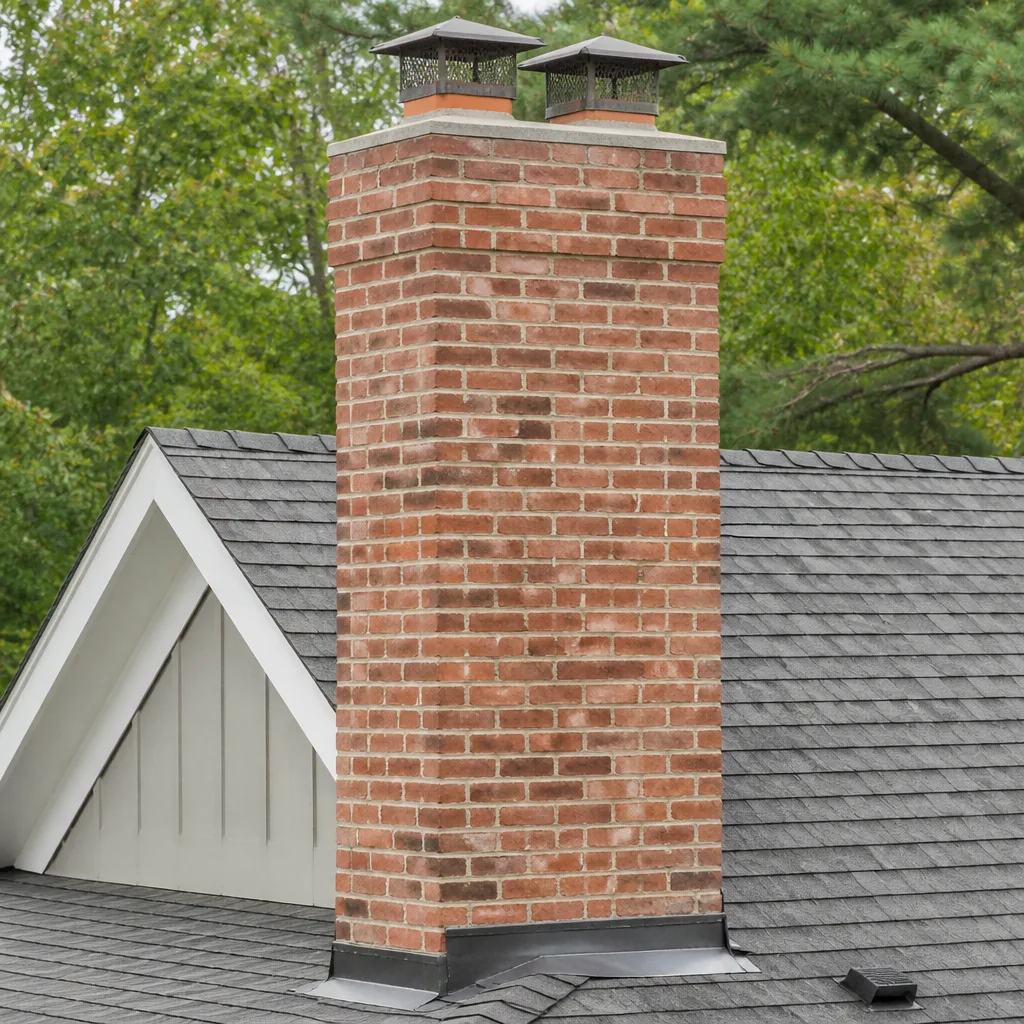
 Caps & crowns
 Flue relining
 Masonry repair
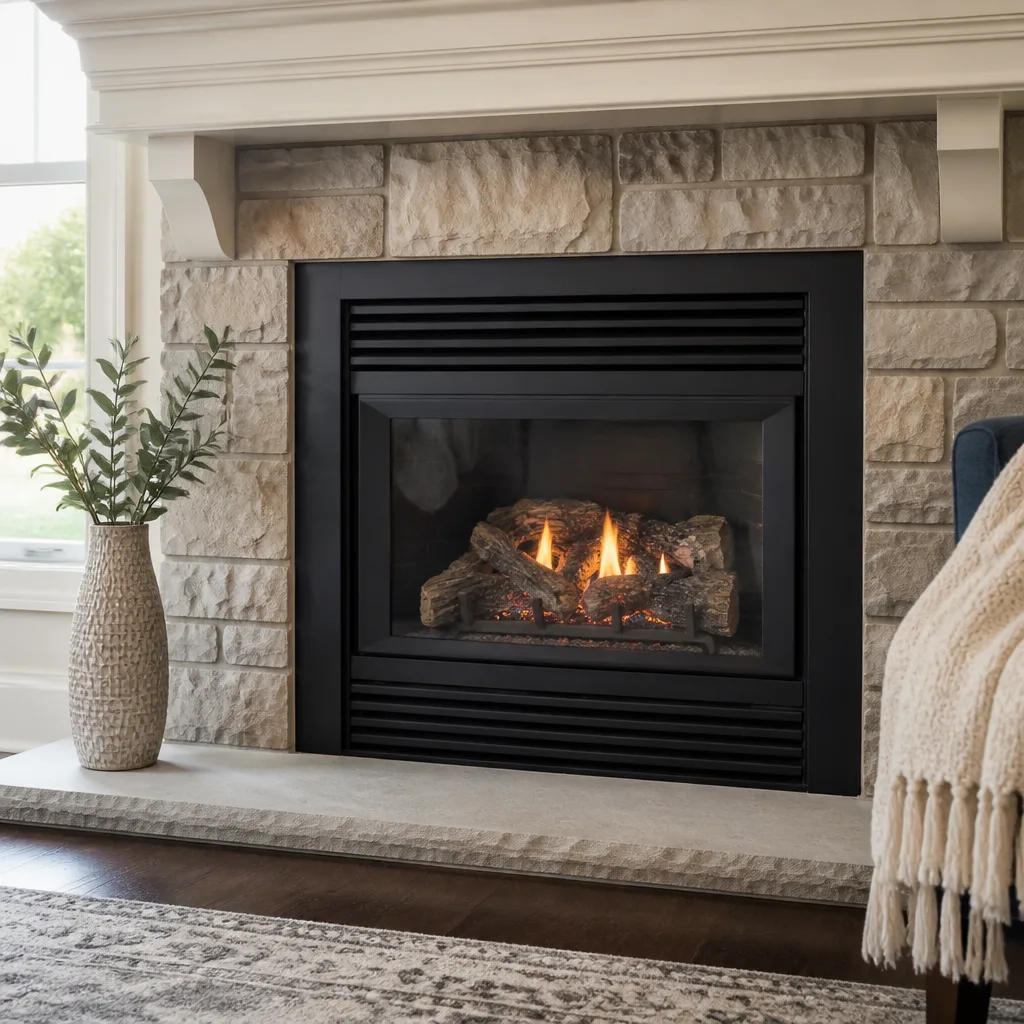 Gas fireplace service
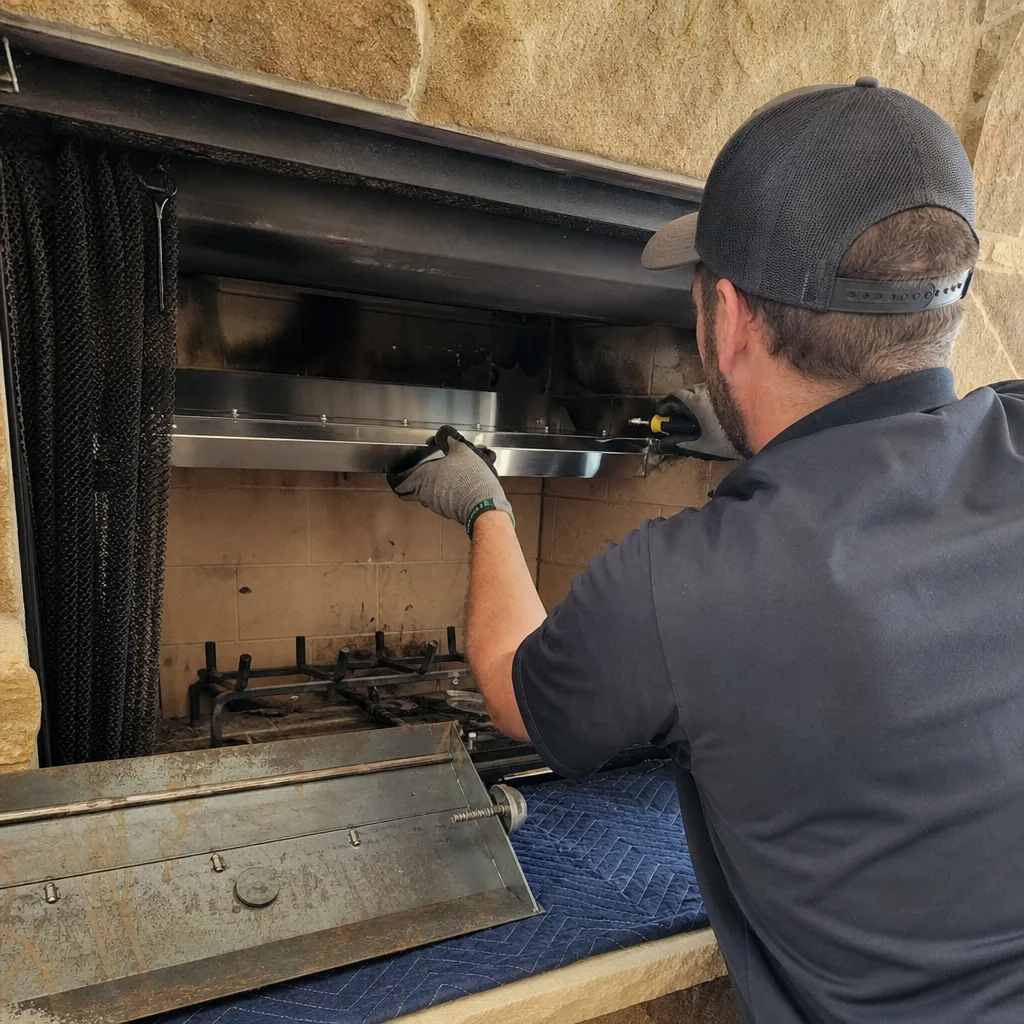
Level 1 sweep and inspection to the NFPA 211 annual standard - flue, crown, cap, and flashing checked and photographed
Chimney sweep logs do not sweep chimneys. They loosen some creosote - which then falls where a brush and vacuum still have to collect it.
The Complete Guide to Chimney Cleaning in Midtown
Most chimney fires don’t start because a homeowner skipped cleaning. They start because the sweep never looked past the firebox. The brush went up, the soot came down, and nobody checked the smoke chamber, the flue joints, or whether the liner had already begun to spall. A cleaning that stops at the firebox is maintenance theater. It looks like the job got done, and the dangerous part of the system never got examined at all. This guide covers what a real chimney cleaning in Midtown should include, how Georgia’s humidity changes the timetable, and what documentation you should walk away with when the work is finished.
Quick Answer
A chimney cleaning in Midtown removes creosote, soot, and blockages, but its real value is the Level 1 inspection that comes with it: a look at the firebox, damper, smoke chamber, flue liner, and cap that tells you what condition the whole system is in. In our humid climate, most actively used wood-burning fireplaces need cleaning and inspection once a year, and homes that burn often or burn unseasoned wood may need it sooner. A cleaning that doesn’t evaluate flue integrity isn’t a full service.
Styles & brands we work with
- Sweep & inspection
- Caps & crowns
- Flue relining
- Masonry repair
- Gas fireplace service
Table of Contents
- What a chimney cleaning actually involves
- The Level 1 inspection you should expect during a cleaning
- How Georgia’s humidity accelerates creosote staging
- Cleaning buildup vs. evaluating the whole system
- Wood type and burn habits in Midtown homes
- Step by step: what to expect before, during, and after
- How often should you schedule a cleaning?
- The documentation you should receive
What Does a Chimney Cleaning Actually Involve?
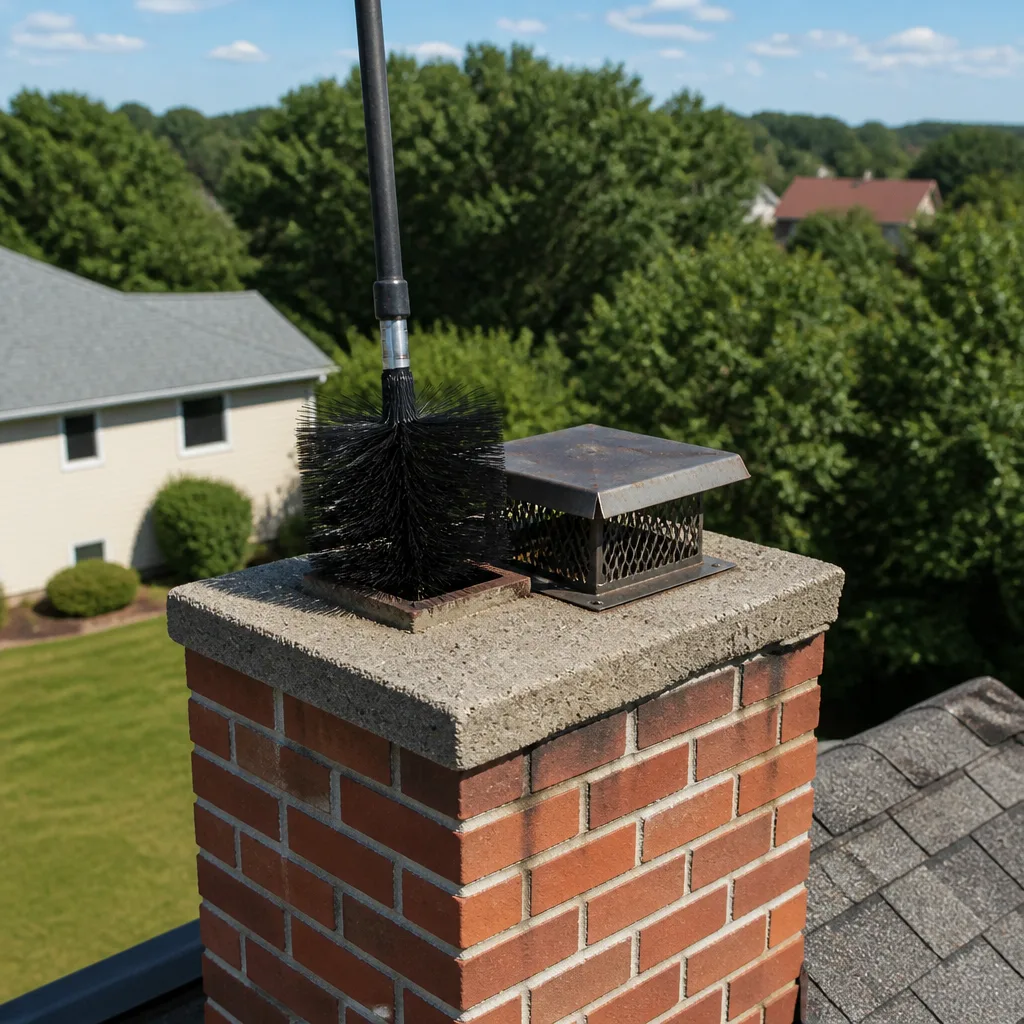
A professional chimney cleaning removes combustible creosote and soot from the flue with specialized brushes and rods matched to the flue’s shape and material, then vacuums the firebox and smoke chamber with a HEPA-equipped system so nothing escapes into the room. The sweep also confirms the flue is clear of nests, leaf packs, and collapsed masonry before the brush ever goes up. That last part matters in Midtown, where mature trees drop debris onto caps and birds find uncapped flues every spring.
A real cleaning follows a sequence. Skipping any step leaves material behind or misses a problem:
- Protect the floor and hearth with drop cloths and set up the vacuum.
- Inspect the firebox and damper for cracks, rust, and improper operation.
- Check the flue from the top and bottom for blockages, glaze, and damage.
- Brush the flue with the correct size and stiffness for the liner material.
- Remove soot and creosote from the smoke chamber and shelf.
- Vacuum the firebox and hearth, then document findings with photos.
When we send a technician to a Midtown home, the sweep is a starting point, not the whole job. The brush tells us how much creosote has built up. The inspection tells us why. A flue that stages creosote quickly usually has a cause: unseasoned wood, a cold flue, an undersized liner, or a smoke chamber that’s slowing draft. Our technicians have up to 14 years of experience, and most of that time gets spent reading the evidence, not just running the brush. That’s why chimney sweep service here begins with a documented look at the whole system.
What Should a Level 1 Inspection During Cleaning Cover?
A Level 1 inspection is a visual check of all accessible parts of the chimney and venting system during a routine cleaning, and it should cover far more than the creosote deposits you can see from the hearth. It’s the baseline inspection for a system that hasn’t changed and hasn’t had a problem. When it’s done properly, it catches the early signs that lead to bigger repairs later.
Here’s what a thorough Level 1 inspection during a Midtown cleaning should actually cover:
- Firebox and refractory panels, looking for cracked or spalling brick and gaps in the mortar joints.
- Damper operation, confirming it opens fully, seats correctly, and isn’t rusted open or frozen shut.
- Smoke chamber and smoke shelf, checking for creosote buildup and rough surfaces that slow smoke on its way up.
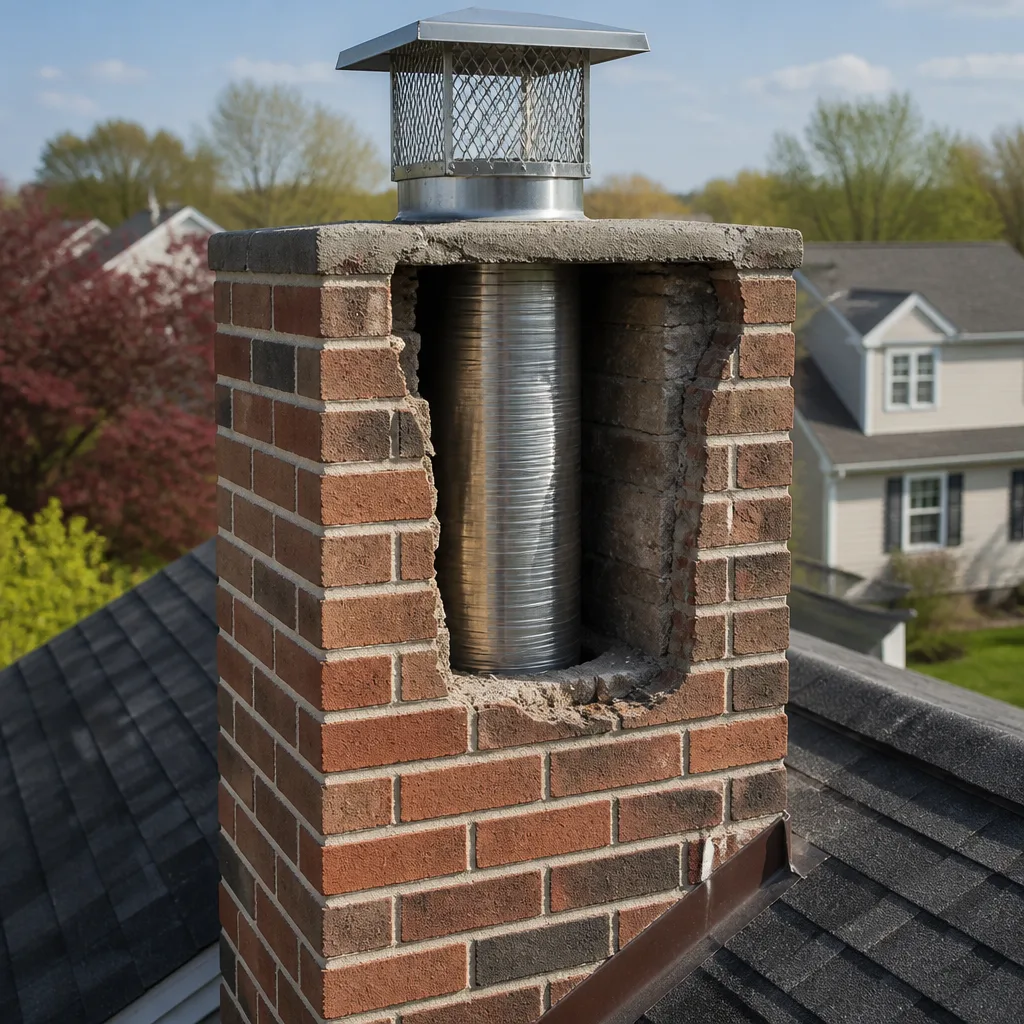
- Flue liner integrity, looking for cracks, gaps at the joints, delamination, and gaps between liner sections.
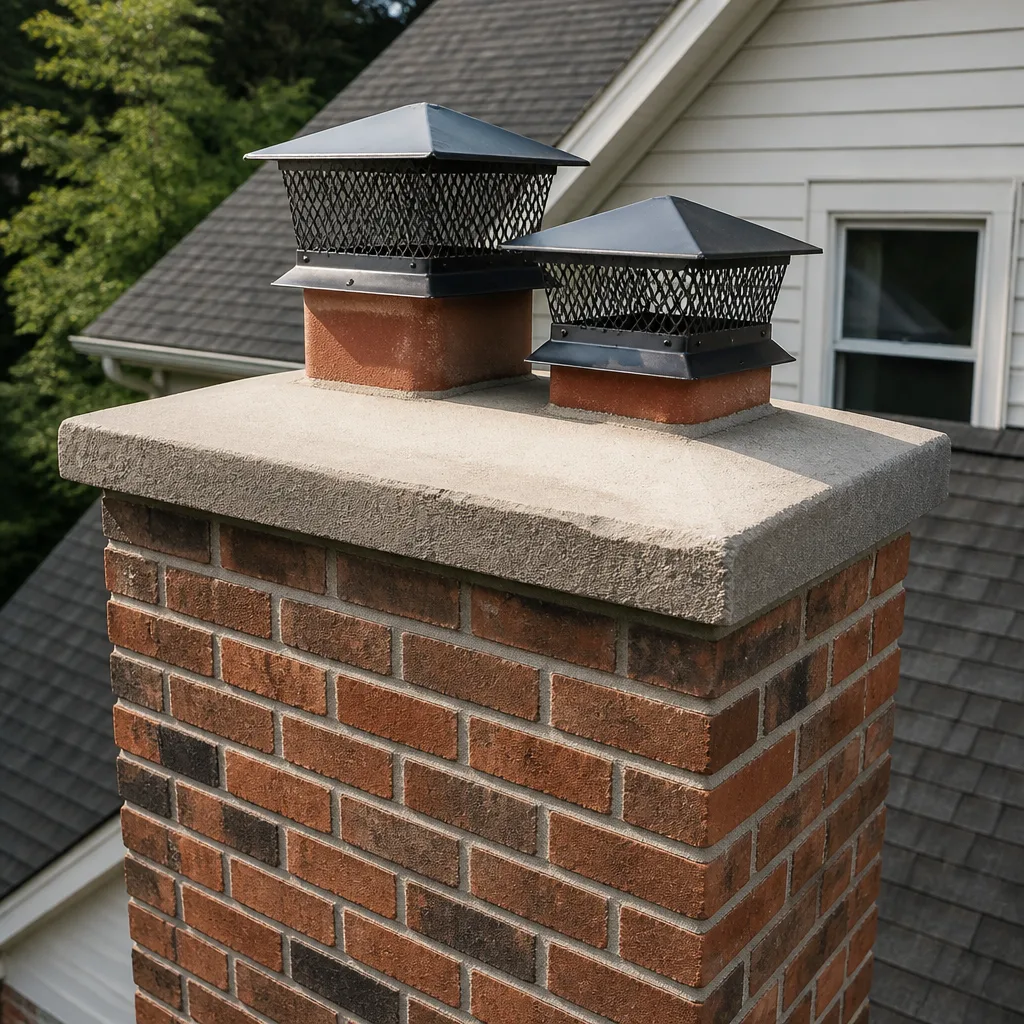
- Chimney cap and crown, confirming the cap is intact and attached and the crown sheds water away from the flue.
- Exterior chimney condition, checking masonry, flashing, and the joint where the chimney meets the roof.
- Clearances and connections, including the appliance connector and any nearby combustibles.
In our experience, the items that turn into expensive repairs are the ones nobody looked at: a hairline crack in the smoke chamber, a cap that loosened two winters ago, flashing that’s been quietly letting water into the masonry. Those don’t announce themselves. A proper Level 1 inspection finds them on a routine visit. That’s why we document what we find before we recommend anything, and why we don’t call for a chimney cap & crown replacement unless the photos make the case.
How Does Georgia’s Humid Climate Affect Creosote?
Georgia’s humid climate accelerates creosote staging because moisture is the catalyst. Creosote forms in stages, from light soot and flaky deposits to hardened glaze, and each stage needs the right conditions. Humidity keeps the flue cooler and damper between fires, which means the smoke condenses on the flue walls faster and the deposits move toward the harder stages sooner than they would in a drier climate. That changes the cleaning timetable for Midtown homeowners.
What that means in practice:
- Damp, cool flues stage creosote faster. A flue that stays humid between fires doesn’t warm as quickly on the next burn, so smoke condenses longer at the top of the flue.
- Shoulder seasons are hard on chimneys. Warm days and cool nights mean fires burn low and slow, which is exactly the condition that produces glazed creosote.
- Water intrusion compounds the problem. A missing or loose cap lets rain into the flue, and wet creosote is harder to remove with a standard brush.
- Annual cleaning is the baseline here. Homes that burn regularly through the cooler months should plan on a yearly cleaning and inspection, and homes that burn often should expect the sweep to find more than a light coating of soot.
In a drier climate, a homeowner might stretch a cleaning to eighteen months without much risk. Around Midtown, that stretch is where we tend to find glazed creosote and liner wear. This is a climate where the schedule matters more, not less. If your fireplace is used regularly through the winter, plan the cleaning before the burning season starts, not after it ends.
Cleaning Buildup vs. Evaluating the Whole System
Removing buildup and evaluating flue integrity are two different jobs, and only one of them protects you. A cleaning that removes creosote leaves you with a cleaner chimney. A cleaning that also evaluates flue integrity, smoke chamber condition, and liner wear leaves you with a diagnosis. The difference shows up years later, when a small liner crack has turned into a carbon monoxide path into the living space or a masonry repair that could have been a resurfacing job.
Here’s what separates the two:
- Buildup removal answers one question: how much creosote was in the flue?
- System evaluation answers a harder one: is the flue still safe to vent into?
The second question requires looking at the liner material itself. Clay tile liners crack and spall with age and heat cycling. Older Midtown homes with original masonry chimneys often have tile liners that have been patched, sealed, or simply aged past their service life. A brush passes through a cracked tile without complaint. A camera and a set of eyes don’t. When the flue qualifies, we can apply HeatShield ceramic flue resurfacing, a trained-application restoration system that rebuilds the flue interior without a full reline. When it doesn’t qualify, a DuraFlex flexible liner system is the professional-grade route for the complex flue geometries common in older urban housing stock.
From the firebox to the cap, we service the whole system. That matters because a cleaning is a diagnostic event. It’s the one time each year someone is actually up on the roof and down in the firebox at the same moment, and it’s the best chance to catch a problem before it becomes a repair. If the evaluation turns up damage to the firebox itself, that work falls under fireplace repair and gets handled on the same visit when the parts are on hand.
Why Wood Type and Burn Habits Change the Cleaning Timetable
Wood type and burn habits determine how fast your chimney returns to a hazardous state, and in Midtown homes those habits vary more than most people expect. A homeowner who burns seasoned hardwood in a hot, well-drafted fire produces less creosote per cord than a neighbor who burns whatever is stacked at the hardware store and damps the fire down overnight. Same neighborhood, same climate, very different cleaning intervals.
A few things we look at when advising on a cleaning schedule:
- Seasoned wood vs. green wood. Wood above roughly 20% moisture content burns cool and produces more smoke, which means faster creosote staging. Dry, well-seasoned wood is the single biggest variable a homeowner controls.
- Hot fires vs. smoldering fires. Long, low burns produce more creosote than short, hot ones. If your fireplace runs damped down all evening, plan on a more frequent cleaning.
- Fireplace type. A wood-burning insert behaves differently from an open masonry fireplace, and a gas appliance has different venting needs again. The inspection should confirm what you have and clean accordingly.
- Burn volume. A fireplace used a few times a month in Midtown is on a different schedule than one used most nights through the cooler months.
None of this is a reason to stop burning. It’s a reason to know your own pattern. When we book a cleaning, we ask how much you burn and what you burn, and that answer shapes how closely we look at the flue on the next visit. The right materials for the repair come later, if there is one. The first job is understanding how your chimney got to where it is.
Step by Step: What to Expect Before, During, and After a Cleaning
A professional chimney cleaning in Midtown follows a predictable sequence, and knowing it makes the visit easier. The whole job usually runs an hour or so for a straightforward sweep, longer if the inspection finds something that needs attention. Here’s what to expect at each stage.
Before the visit:
- Clear the hearth area and move anything breakable away from the fireplace.
- Hold off on lighting a fire for at least 24 hours before the appointment so the firebox is cool.
- Note any symptoms you’ve seen: smoke rolling into the room, a damper that sticks, a smell in summer, or staining on the chimney exterior.
During the visit:
- The technician lays drop cloths and sets up the vacuum before any brushwork begins.
- They inspect the firebox, damper, and flue from both ends and confirm the flue is clear.
- They brush the flue, remove the debris, and vacuum the firebox and smoke chamber.
- They check the cap, crown, and exterior masonry and take photos of anything notable.
After the visit:
- You get a walkthrough of what was found, with photos you can look at yourself.
- You get an honest read on what needs doing now, what can wait, and what to watch.
- If a repair is needed, you get a written estimate that sets the price before any work is booked.
We answer 24/7 on the phone. A call outside dispatch hours is booked into the next opening, Sunday through Friday, 7am to 7pm. The dispatch schedule doesn’t rush a cleaning. The urgency here is seasonal: get the sweep done before the burning season starts, not in the middle of it.
How Often Should You Schedule a Chimney Cleaning in Midtown?
Most actively used wood-burning fireplaces in Midtown should be cleaned and inspected once a year, and homes that burn frequently, burn unseasoned wood, or have a history of glazed creosote may need it more often. The general industry rule is to clean when roughly a quarter inch of creosote has accumulated in the flue, but that number is hard for a homeowner to judge from the hearth. An annual inspection is how you find out where you actually stand.
Circumstances that call for a cleaning sooner than the yearly schedule:
- You’ve moved into a Midtown home and don’t know when the chimney was last cleaned.
- You’ve noticed smoke backing into the room, a strong odor in warm weather, or staining on the exterior masonry.
- You’ve burned a lot of green or unseasoned wood, or you’ve had a chimney fire, even a small one.
- A storm has dropped debris onto the cap or into the flue.
- You’ve changed what you burn, or added an insert or a new appliance connection.
If a cleaning turns up glazed creosote that a standard brush won’t remove, the fix isn’t more brushing. It’s a different level of service, and it’s worth understanding before it becomes urgent. You can read more about what’s involved on the Chimney Sweep Midtown main page. The point of the schedule is to keep the system in a condition where a routine cleaning stays routine.
The Documentation You Should Walk Away With
The documentation from a chimney cleaning is what turns the visit into something you can act on, and it should be specific enough to show a future buyer, an insurer, or a second contractor. A verbal “you’re all set” isn’t documentation. At minimum, you should leave with a record of what was found, where it was found, and what condition each part of the system is in.
What to look for:
- Photos of the flue and firebox, taken before and after cleaning, so you can see the condition of the liner and smoke chamber for yourself.
- Notes on the cap, crown, and flashing, including whether the cap is intact and shedding water away from the flue.
- A clear statement of what was found, in plain language, not a checklist of checkboxes.
- A written estimate for any recommended repair, with the price set before the work is booked.
- Honest guidance on what can wait, because not every finding is urgent and a good sweep will tell you which is which.
When a repair is recommended, we include the evidence that supports it, using professional-grade components where they fit: a DuraFlex liner for a reline, HeatShield ceramic resurfacing for a flue that qualifies, and Gelco or Famco caps and crown components for moisture protection. We source through Olympia Chimney and Copperfield because the material has to match the repair, not the other way around. Nothing gets recommended without documentation you can look at yourself.
Common Mistakes to Avoid
- Treating the sweep as a checkbox. A cleaning that only removes soot and skips the inspection leaves the liner and smoke chamber unexamined. That’s the part that matters most in an older Midtown chimney.
- Assuming a cap is optional. An uncapped flue takes in rain, debris, and birds. In Georgia humidity, a wet flue stages creosote faster, and moisture in the masonry is what leads to crown and flashing repairs later.
- Burning unseasoned wood to save money. Green wood burns cool and smoky, which means more creosote per cord. The savings on wood rarely offset the extra cleaning and the added risk.
- Waiting for smoke problems before booking. Smoke backing into the room is a late symptom. By the time it shows up, the flue is often already restricted or the smoke chamber is already fouled.
- Hiring a sweep who won’t document findings. If the technician can’t show you photos of what’s in the flue, you have no way to judge whether a repair is needed. Ask for the evidence before agreeing to any work.
- Stretching the interval because the fire “looks fine.” A fire burns the same whether the liner is intact or cracked. The cleaning schedule is about what you can’t see from the hearth.
- Skipping the cleaning after a small chimney fire. Even a brief fire can crack tile and warp metal components. A follow-up inspection is how you confirm the flue is still sound.
See the difference
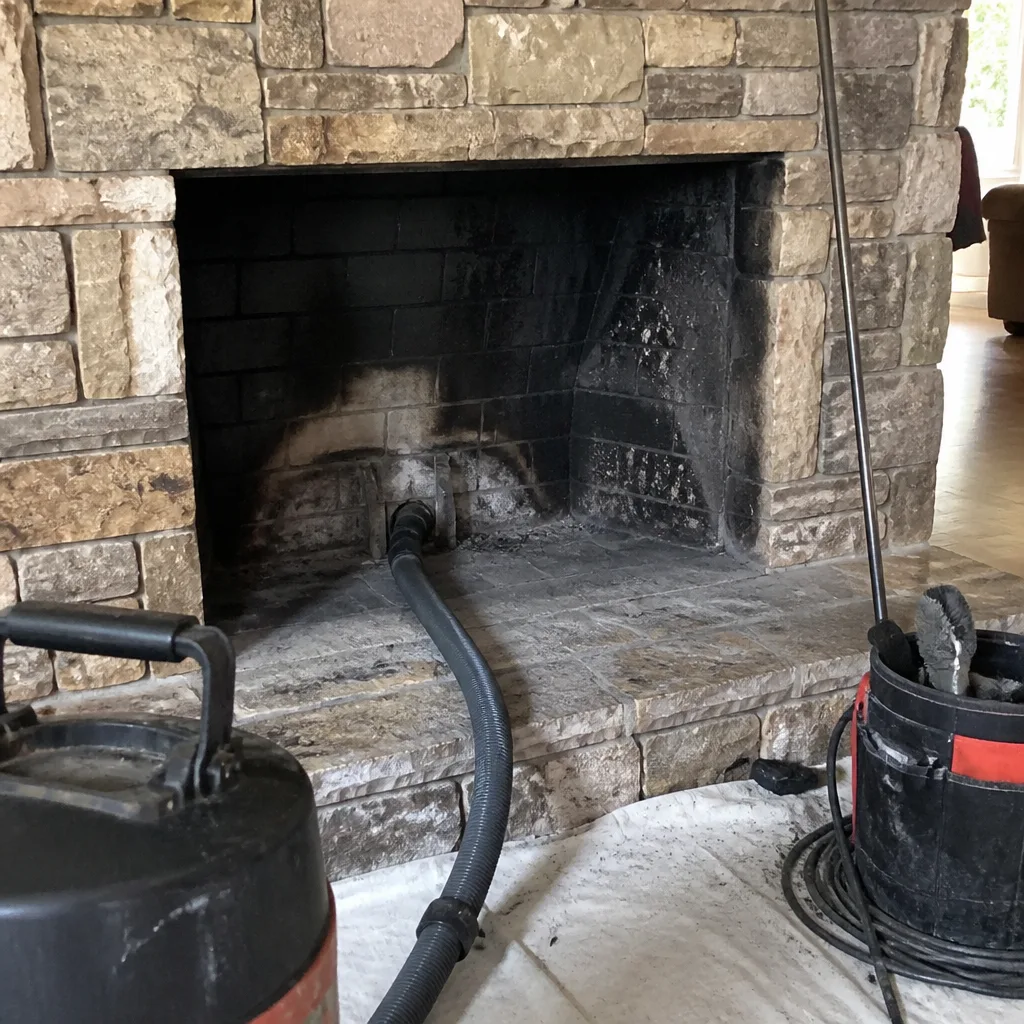 Before
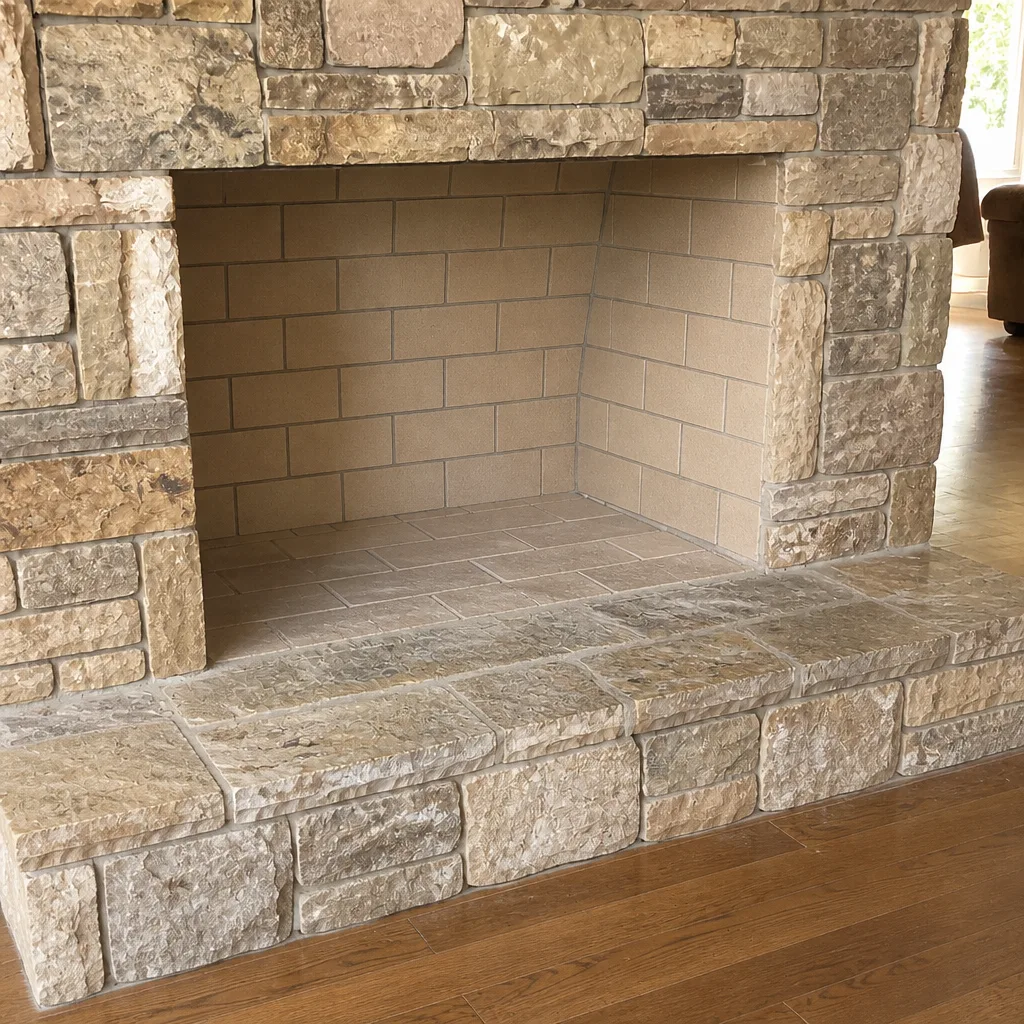 After
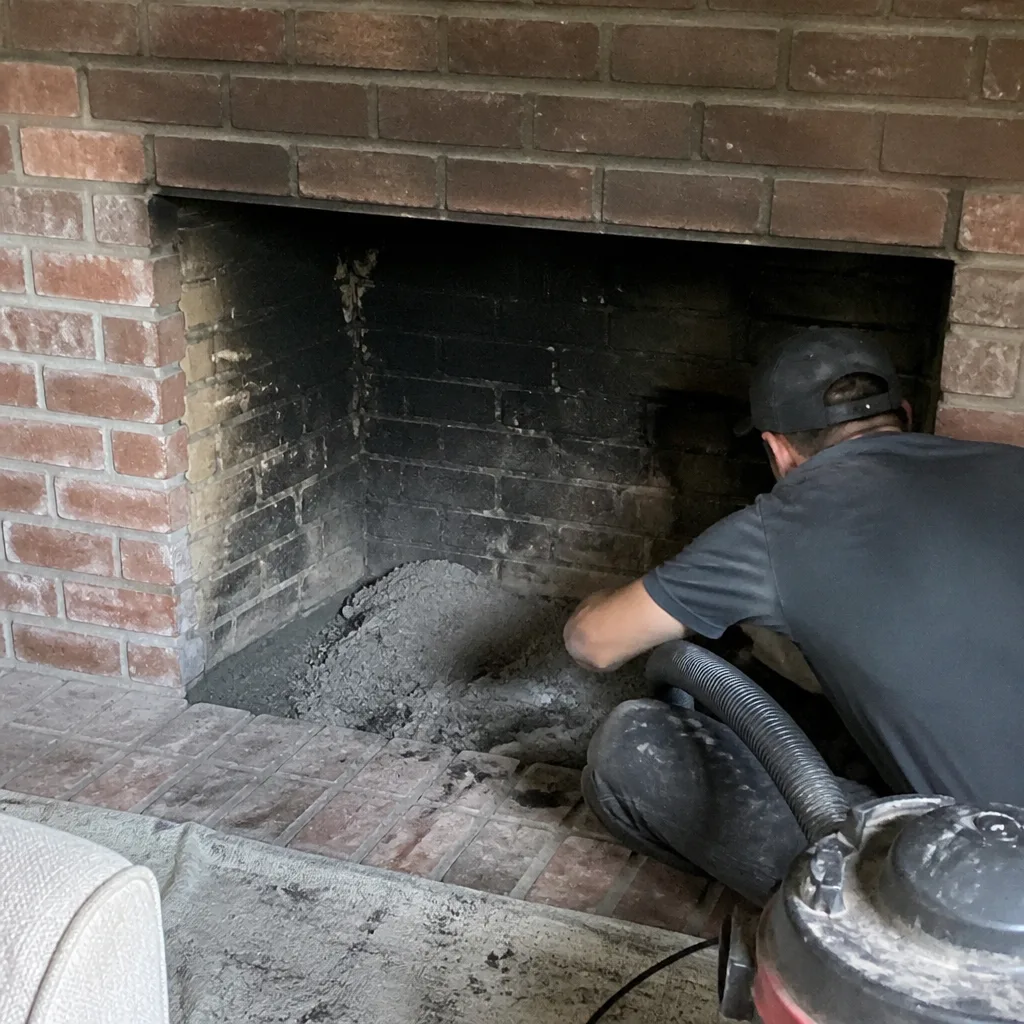 Before
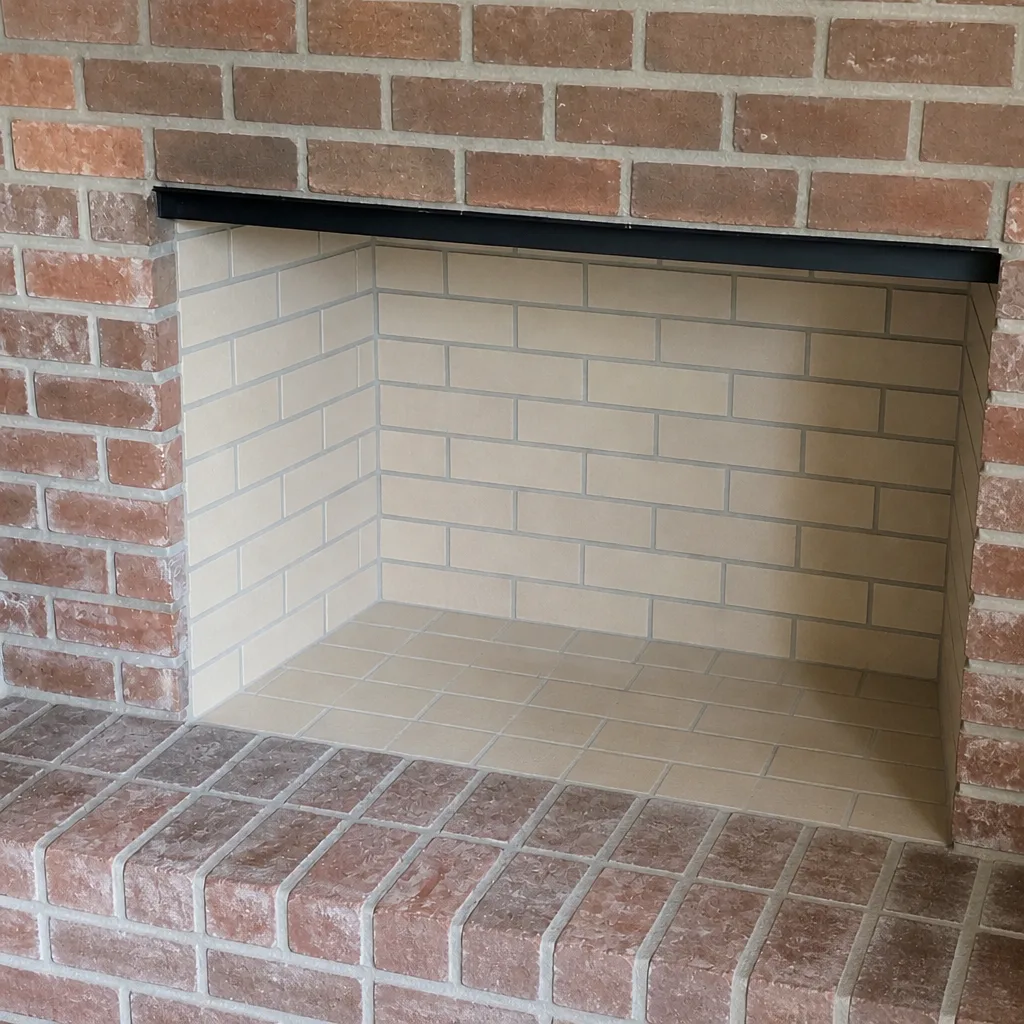 After
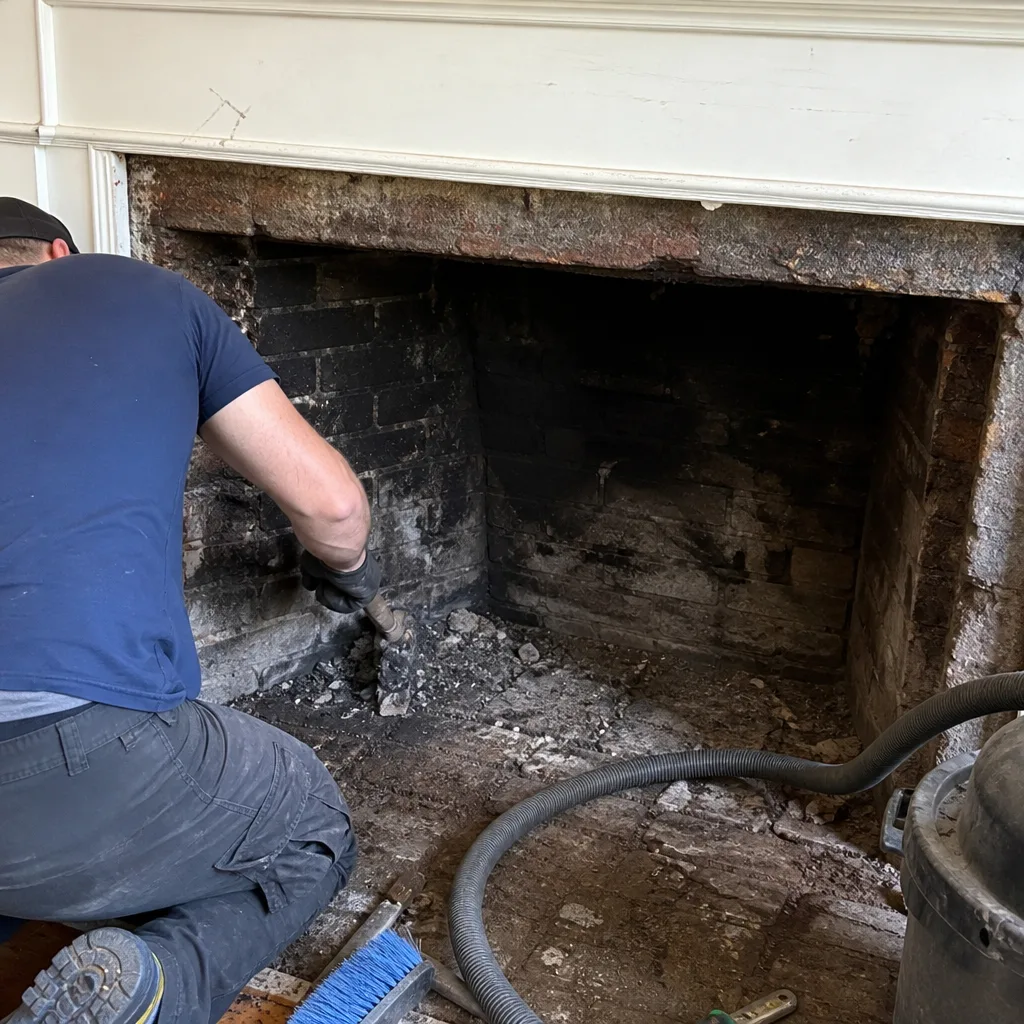 Before
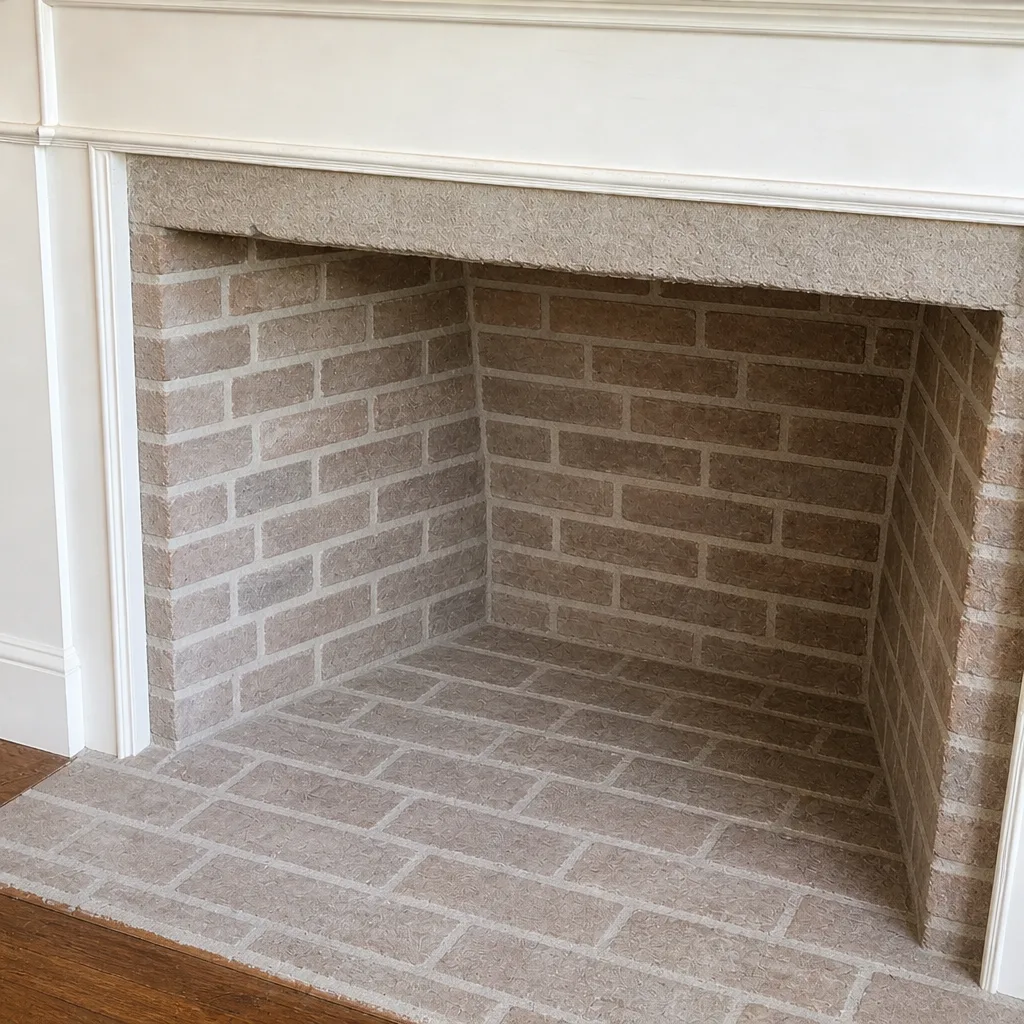 After
When to Call a Professional
Call a professional when the work involves the parts of the system you can’t safely reach or assess: the flue interior, the smoke chamber, the liner, the cap, and the roof-level components. High-tension components, roof work, and confined flue interiors are not DIY territory, and a trained technician should handle anything that involves assessing the liner or working from the roof. Get a professional on the phone if you’ve noticed smoke rolling into the room, a strong summer odor, staining on the chimney exterior, a damper that won’t seat, or a chimney fire of any size. If you’ve moved into a Midtown home and don’t know when the chimney was last cleaned, book a cleaning and inspection before the first fire. Chimney Sweep Midtown offers free estimates in Midtown, and every job starts with a documented inspection so repairs are grounded in findings, not upsells. Call (877) 820-8520. We answer 24/7. Fast dispatch from 7am to 7pm, Sunday through Friday.
Frequently Asked Questions
A chimney cleaning in Midtown is quoted per job based on the flue, the level of buildup, and whether repairs are needed, and the written estimate you receive before booking sets the final price. There’s no fee for the estimate, and the price shouldn’t change after the technician arrives unless the scope of the work changes and you approve it. Call (877) 820-8520 for an exact quote. Estimates are free.
You need a new liner only when the inspection shows the existing one can no longer safely contain the flue gases, and that should be backed by photos of cracks, gaps, or delamination you can see yourself. In some cases a HeatShield ceramic resurfacing can restore the flue interior without a full reline, and in others a DuraFlex flexible liner is the right fix. We document what we find before we recommend anything. Call (877) 820-8520 to talk through what your flue actually needs.
Once a year for most actively used wood-burning fireplaces in Midtown, and more often if you burn heavily, burn unseasoned wood, or have had a buildup problem before. Georgia’s humidity means creosote stages faster here than in drier climates, so the annual cleaning is a floor, not a ceiling. Call (877) 820-8520 if you’re not sure when your last cleaning was.
The creosote in the flue keeps building and moves toward the harder, glazed stages, which raises the risk of a chimney fire and makes the eventual cleaning more involved. Moisture keeps working on the masonry and the cap, so small leaks turn into bigger repairs. Skipping a year usually isn’t catastrophic. Skipping several in a humid climate is how a routine cleaning becomes a liner or crown project. Call (877) 820-8520 to get back on schedule.
No. A gas fireplace has different venting and different service needs, and the cleaning and inspection are matched to the appliance rather than the wood-burning routine. The inspection still covers the venting path and the firebox, but the tools and the procedure differ. Call (877) 820-8520 and tell us what you have so we book the right service.
You should get photos of the flue and firebox, a plain-language summary of the condition of the liner, smoke chamber, cap, and crown, and a written estimate for anything that needs repair. You should also get an honest read on what can wait, because not every finding is urgent. Call (877) 820-8520 if a previous sweep left you without that record.
The Bottom Line
A chimney cleaning in Midtown is worth exactly as much as the inspection that comes with it. The brush removes the creosote and the soot, but the diagnosis tells you whether the flue is still safe to vent into, and in our humid climate that question needs an answer once a year. Wood type and burn habits change your timetable. Documentation turns a routine visit into something you can act on and show to anyone who asks. And the right materials, whether that’s a HeatShield resurfacing, a DuraFlex liner, or a Gelco or Famco cap, get chosen for the repair rather than improvised on the spot. Book the cleaning before the burning season starts. Then keep the record.
Chimney Sweep Midtown provides chimney sweeping, chimney inspection, chimney cap and crown installation, fireplace repair, and chimney repair across Midtown. Every job begins with a documented inspection, and the written estimate sets the price before any work is booked. Call (877) 820-8520 for a free estimate. We answer 24/7. Fast dispatch from 7am to 7pm, Sunday through Friday.
Written by the team at Chimney Sweep Midtown.