
Last updated November 24, 2026
 Sweep & inspection
 Caps & crowns
 Flue relining
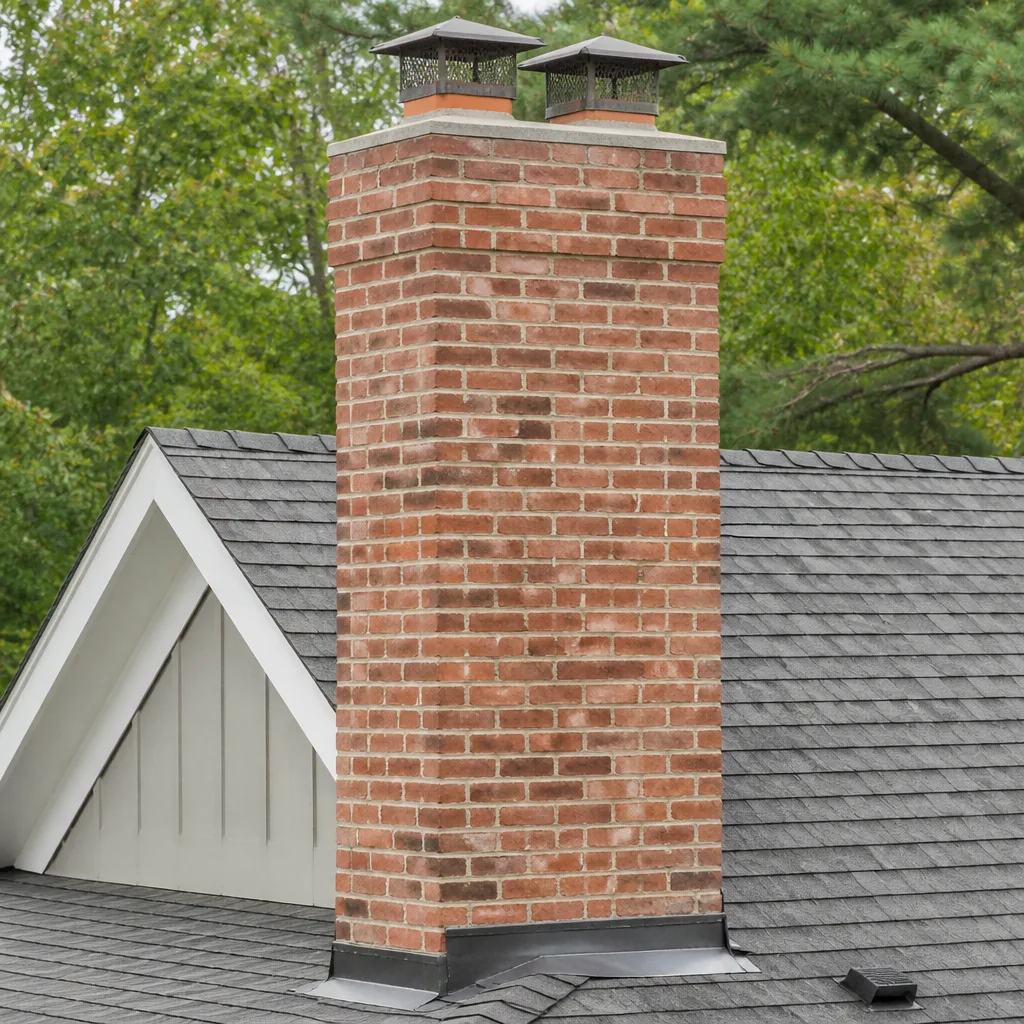 Masonry repair
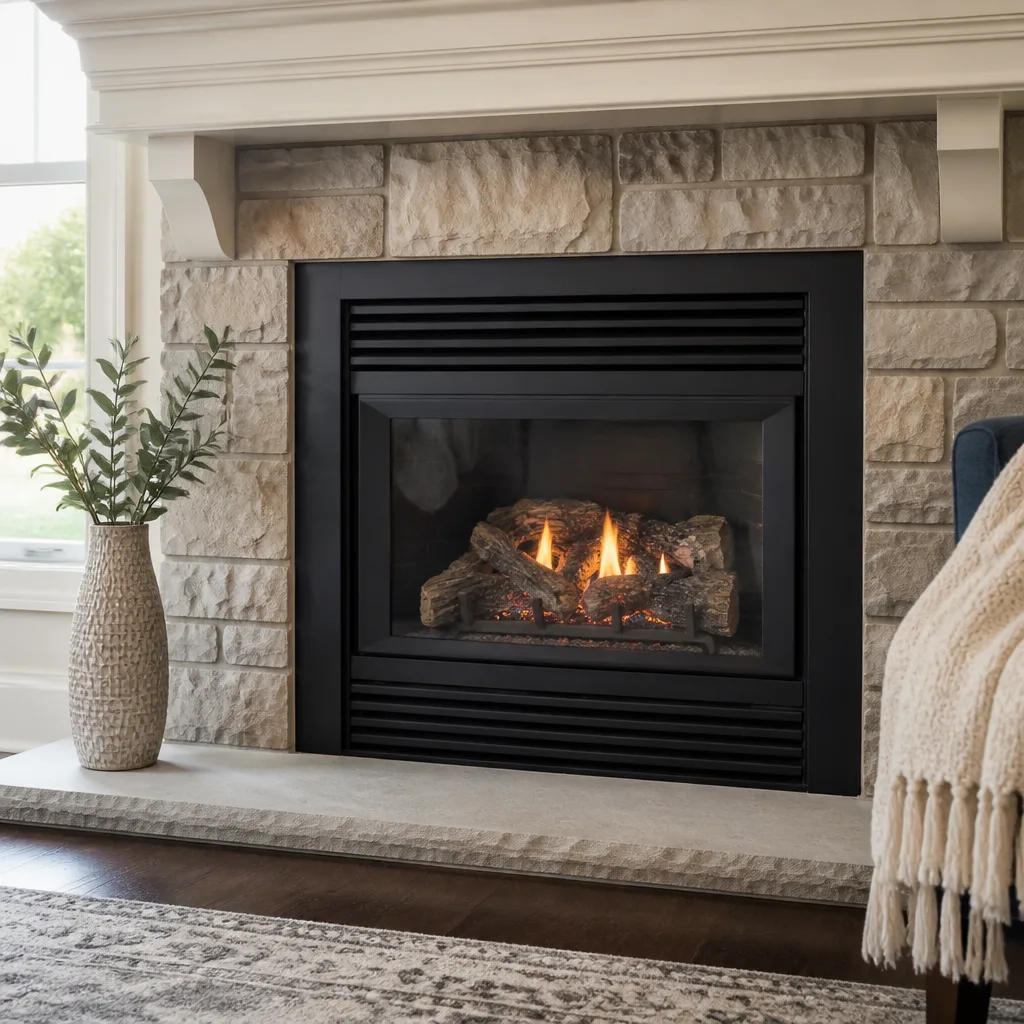 Gas fireplace service
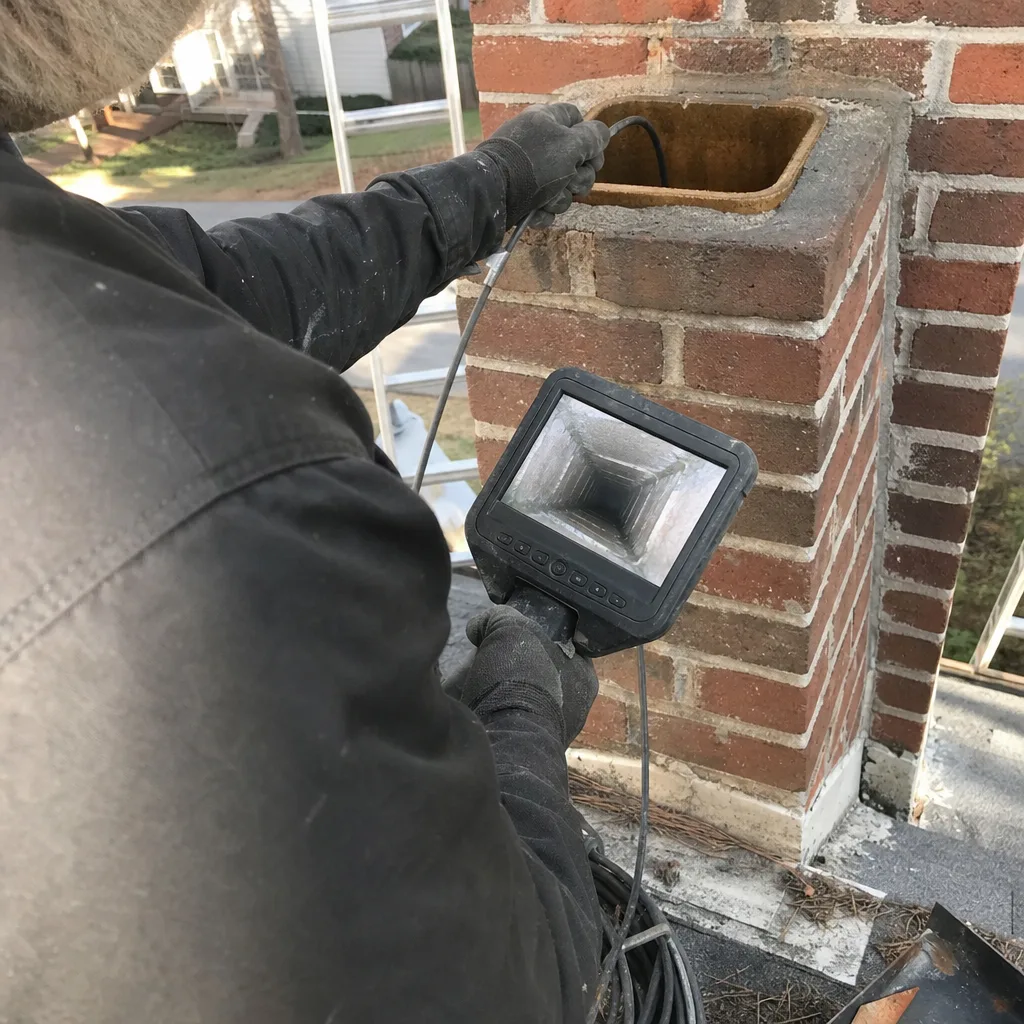
Level 1 sweep and inspection to the NFPA 211 annual standard - flue, crown, cap, and flashing checked and photographed
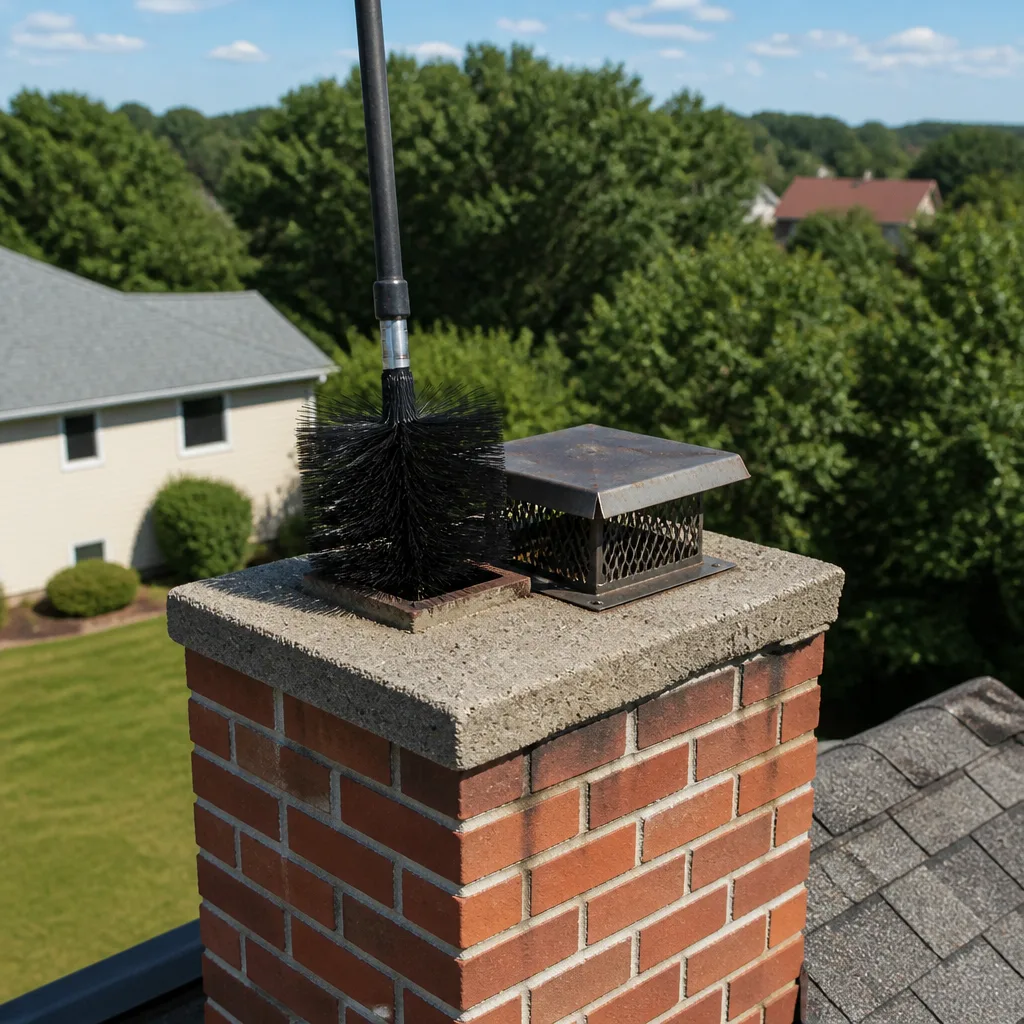
Chimney sweep logs do not sweep chimneys. They loosen some creosote - which then falls where a brush and vacuum still have to collect it.
Choosing the Right Chimney Cleaning Brand: A Buyer’s Guide for Midtown
Chimney creosote logs are sold in every hardware store around Midtown and used by plenty of homeowners as a stand-in for a real cleaning. Professional sweeps know exactly what those logs do and don’t accomplish, and the gap between the two is where most of the marketing lives. The same pattern repeats across chimney sealers, caps, and liners: retail shelves are stocked with consumer-grade products that working professionals rarely specify, and the reasons are technical, not snobbish. This guide explains what separates professional-grade chimney products from their retail counterparts, how to judge a creosote log honestly, what cap materials really last in Midtown’s humid summers and mild winters, and the questions a chimney professional asks before recommending anything. By the end you’ll have a framework you can apply to any product claim you encounter.
Quick Answer
The right chimney cleaning brand isn’t a single product, it’s a category-by-category match to your chimney and your climate. Professional-grade products differ from retail versions mainly in material specification, application method, and realistic performance expectations: penetrating sealers instead of surface coatings, stainless or copper caps instead of thin galvanized steel, and flexible liner systems built for the flue geometries common in Midtown’s older housing stock. Brand names matter less than whether the product is specified for your chimney’s condition and installed to the manufacturer’s standard.
Styles & brands we work with
- Sweep & inspection
- Caps & crowns
- Flue relining
- Masonry repair
- Gas fireplace service
Table of Contents
- 1. What Separates Professional-Grade Chimney Products from Retail
- 2. Creosote Logs: What They Actually Do
- 3. Chimney Cap Materials: Galvanized, Stainless, Copper
- 4. Waterproofing Sealers: Penetrating vs. Surface
- 5. Liner Systems and When They’re Specified
- 6. How to Evaluate Any Chimney Product Claim
- Common Mistakes to Avoid
- When to Call a Professional
1. What Separates Professional-Grade Chimney Products from Retail
The difference between a professional-grade product and its retail cousin usually comes down to three things: material specification, application method, and the performance window the manufacturer actually expects. Walk into any big-box store around Midtown and you’ll find chimney caps, sealers, and cleaners marketed to homeowners. What you won’t find is the documentation a professional works from: substrate requirements, cure schedules, temperature ranges, and compatibility notes that determine whether the product performs for a decade or fails in two seasons.
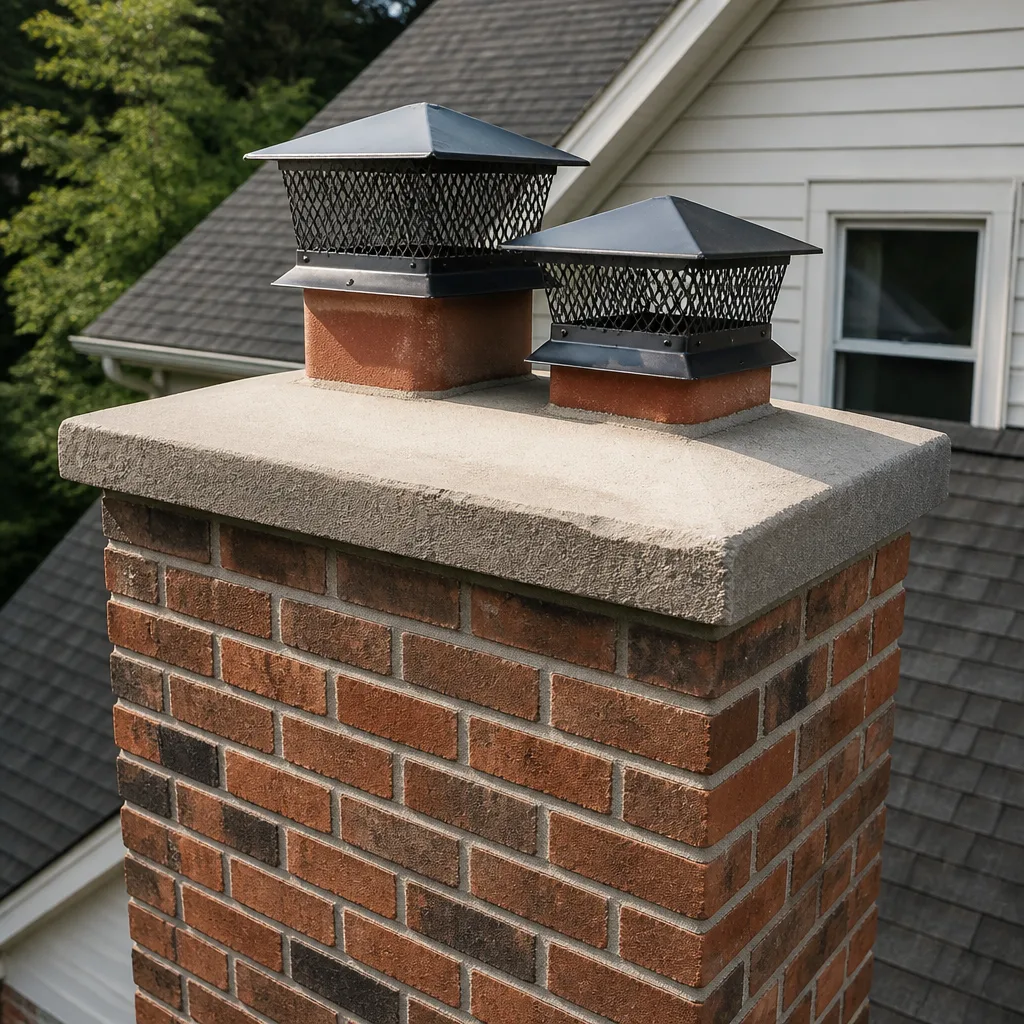
Material spec is the biggest gap. A retail chimney cap is often stamped from thin galvanized steel with a spot-welded mesh screen and a generic sizing chart. A professional-grade cap from a manufacturer like Gelco is built to spec for the flue’s actual dimensions, with heavier gauge metal, a proper mounting system, and a screen sized to keep out the wildlife that finds its way onto Midtown rooftops. In our experience, the retail cap is the one that rusts through where the mesh meets the frame, because the weld seam was never designed for years of humid summers.
Application method is the second gap. A sealer that a homeowner brushes on in an afternoon is formulated for forgiveness: wide temperature tolerance, fast dry, minimal surface prep. A penetrating masonry sealer specified by a professional expects a clean, cured, properly prepared substrate and is applied in a metered way so it soaks in rather than sits on top. Apply a professional sealer like a surface coating and you’ve wasted the product. Apply a surface coating when a penetrating sealer was called for and you’ve trapped moisture inside the masonry, which is worse than doing nothing.
Performance expectation is the third. Retail products are sold on the promise of a single season. Professional products carry a service life measured in years and are specified against a documented assessment of the chimney’s condition. That’s why every job we do begins with an inspection: the product recommendation flows from what the chimney actually needs, not from what’s easiest to sell.
- Material spec: heavier gauge steel, correct flue fit, real screen sizing vs. generic one-size caps
- Application method: substrate prep, cure windows, and metered coverage that retail instructions skip
- Performance expectation: multi-season service life grounded in an inspection, not a single-season promise
2. Creosote Logs: What They Actually Do
Creosote logs are a chemical chimney cleaner sold as a supplement to sweeping, and they do exactly one thing: they condition the creosote already stuck to the flue so it’s easier to brush off. They do not sweep the chimney. They do not remove creosote. They do not substitute for a professional cleaning. What they accomplish chemically is a reaction that makes hardened, glazed creosote more friable, which helps a sweep’s brush do its job more effectively on the next visit. What they don’t do is anything at all about the third-degree creosote that’s baked onto the flue walls, the kind that ignites.
The reasonable use case for a creosote log is a wood-burning fireplace in active use where the creosote buildup is light to moderate and a sweep is already scheduled. Used as a between-visit conditioner, a log can make the next cleaning faster and more thorough. Used as a substitute for cleaning, it’s a false comfort, and in Midtown’s older housing stock, where many flues are original clay tile with visible spalling, that false comfort is where chimney fires start.
The unreasonable use case is the one the packaging encourages: burning a log once a month instead of booking a sweep. Creosote accumulates in stages, from a light soot to a crunchy flake to a hard glazed layer, and the log only meaningfully affects the middle stage. Once the creosote has glazed, no chemical log will remove it, and the chimney needs mechanical cleaning with a rotary brush or, in severe cases, restoration. That’s when a chimney sweep stops being routine and becomes a repair conversation.
- What a log does: conditions existing creosote so it brushes off more easily
- What a log doesn’t do: remove creosote, clean the flue, or prevent a chimney fire on its own
- When it’s reasonable: light to moderate buildup with a sweep already on the calendar
- When it’s a substitute for nothing: glazed creosote, a smoking fireplace, or a flue that hasn’t been inspected
- What to do instead: book an inspection, then a chimney sweep based on what the inspection finds
3. Chimney Cap Materials: Galvanized, Stainless, Copper
Chimney caps fail primarily from moisture and thermal cycling, and Midtown’s climate is a specific test: hot, humid summers, mild winters, and enough rain in a year to find every weak point. The three common cap materials behave very differently under those conditions, and the realistic lifespan expectations line up almost entirely with material quality. A cap protects the flue from rain, debris, and animals, and it’s the cheapest insurance against water intrusion in the entire chimney system. It also deserves to be chosen deliberately, not grabbed off a shelf.
Galvanized steel is the entry-level option. It’s zinc-coated for corrosion resistance, which works until the coating is scratched or the cut edges start to rust. In our experience, a galvanized cap in Midtown is a five-to-ten-year product at best, and considerably less if the seams were unfinished. Failure looks like rust blooming at the weld points, the screen separating from the frame, and eventually a cap that’s held up more by habit than by hardware. It’s a reasonable short-term choice; it’s not the cap you put on a chimney you intend to keep for decades.
Stainless steel is the professional default. The corrosion resistance is built into the alloy rather than applied to the surface, so scratches don’t start a rust bloom. Stainless caps from a manufacturer like Gelco are fabricated to the flue’s actual dimensions, with heavier gauge metal and a welded or mechanically fastened screen that stays put. Expect a stainless cap to last substantially longer than galvanized, with failure usually traceable to a fastener rather than the cap body itself.
Copper is the long-lived, low-maintenance option. It costs more upfront and it develops a patina with age that some homeowners love and others don’t. In Midtown’s climate, copper caps are typically the last cap a homeowner buys for a given chimney, because the material simply doesn’t corrode the way steel does. Failure is rare; when it happens, it’s usually at a seam or where an incompatible metal fastener was used, which is why the details matter as much as the material.
- Galvanized: lowest cost, shortest life, rust at seams and cut edges
- Stainless: the professional default, corrosion resistance through the alloy, sized to the flue
- Copper: longest life, premium cost, patina develops with age
4. Waterproofing Sealers: Penetrating vs. Surface
Waterproofing sealers split into two categories, and the difference determines whether the masonry can breathe. Penetrating sealers soak into the masonry and line the pores from the inside, blocking liquid water while still letting water vapor escape. Surface coatings, sometimes called film-formers, sit on top of the masonry and block liquid water by covering the surface. Penetrating sealers are what professionals specify on chimney masonry. Surface coatings are what fails.
The reason is breathability. Chimney masonry takes on moisture from the flue side and from the weather side, and that moisture has to escape. A surface coating traps it inside, and when the trapped moisture expands in a freeze or pushes its way out through the coating, the coating fails and takes a layer of masonry face with it. That’s the failure mode we see on Midtown chimneys that were sealed with a film-former: the coating is peeling in sheets and the brick underneath is spalling. Penetrating sealers don’t have that failure mode because they never formed a film to peel.
Which product a professional actually specifies depends on the masonry type. Brick, stone, and stucco all take a penetrating sealer well, but the specific product matters: a sealer formulated for dense brick isn’t the right call for a soft, older mortar. Application method is another place DIY goes wrong. A penetrating sealer has to be applied to a clean, dry, cured surface at a metered rate so it soaks in rather than puddling. Applied to a damp chimney, it traps moisture. Applied too heavily, it forms the film it was designed to avoid. Applied too soon after a repointing, it can interfere with the mortar cure. The correct application is a two-visit job for a professional who knows what the substrate needs.
- Check the masonry: brick, stone, or stucco, and how old the mortar is
- Clean and dry: the surface must be free of dirt and fully cured before sealing
- Choose penetrating, not film-forming: breathability is the whole point
- Meter the application: enough to soak in, not enough to puddle
- Wait after repointing: the mortar needs to cure before the sealer goes on
5. Liner Systems and When They’re Specified
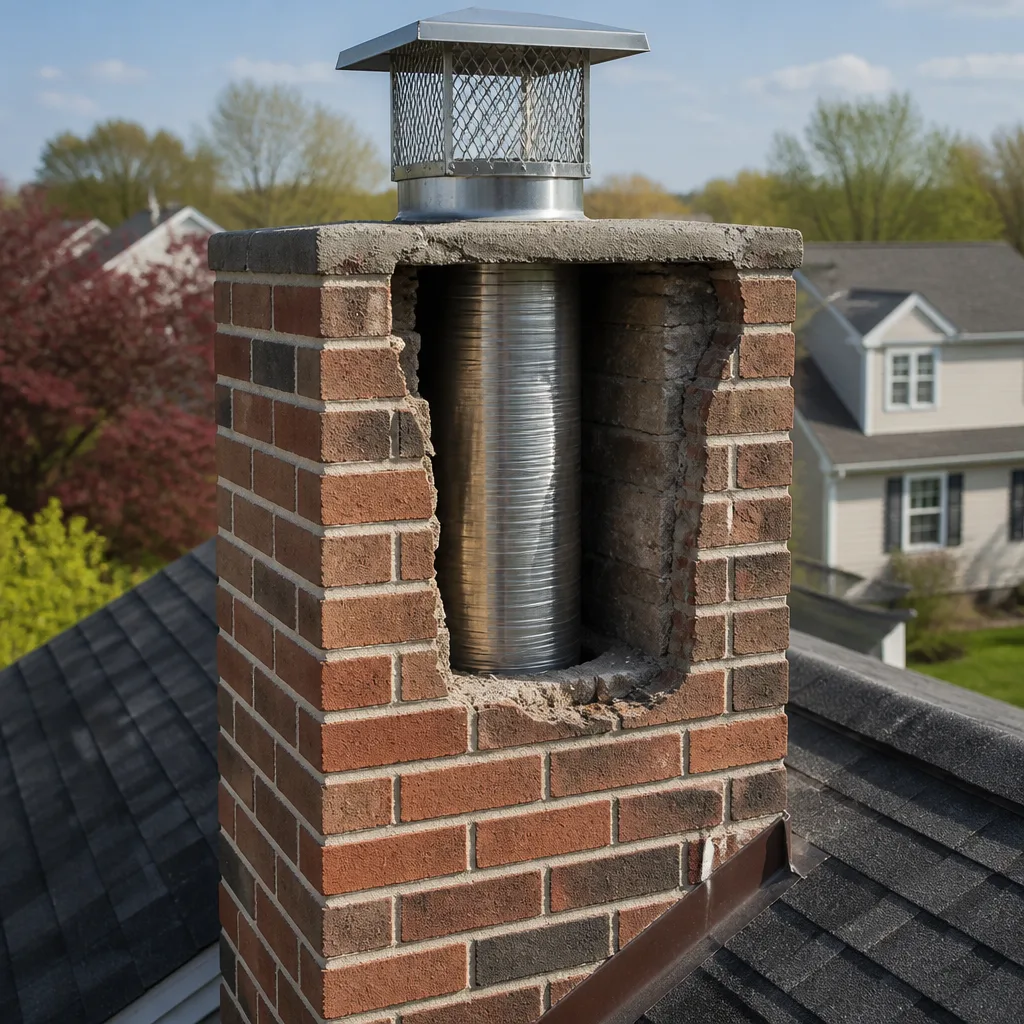
A chimney liner is the flue’s inner wall, and it exists to contain combustion products and protect the masonry from heat and corrosive gases. When the liner is cracked, spalled, or missing, a reline is the standard fix, and the choice of liner system matters as much as the choice of cap or sealer. Flexible liner systems like DuraFlex are built for the flue geometries that show up in Midtown’s older housing stock: offset flues, out-of-round clay tile, and runs that a rigid liner can’t navigate without demolition. Flexible liners are professional-grade because they’re engineered to the flue’s real shape and installed to a manufacturer standard, which is exactly what a retail kit can’t promise.
Not every compromised flue needs a full reline. HeatShield is a ceramic flue resurfacing system that restores the existing liner from the inside, applied by a trained technician and specified only when the flue qualifies: the right crack pattern, the right substrate, the right dimensions. When a flue qualifies, HeatShield restoration is dramatically less invasive than a full reline, and it’s the kind of judgment call a homeowner can’t make from the outside. That’s why the inspection comes first: a chimney repair recommendation is only as good as the evidence behind it.
The liner conversation is also where the “do I really need a new liner?” skepticism is most warranted. The honest answer is sometimes no. A flue with minor surface cracking that still contains combustion products safely may only need monitoring. A flue with a crack through the wall of the liner needs action. The distinction is a visual one, and it’s the reason we document what we find with a camera and photo record before recommending anything. The homeowner should be able to see the crack, not take our word for it.
- DuraFlex flexible liner: for offset and out-of-round flues common in older Midtown homes
- HeatShield ceramic resurfacing: for qualifying flues, restoration instead of a full reline
- Full reline: for liners that are cracked through, spalled, or absent
- Monitor and re-check: for minor surface wear that isn’t a safety issue yet
6. How to Evaluate Any Chimney Product Claim
Every chimney product claim can be tested against a short set of questions, and a professional asks them before recommending anything. The same framework works for a homeowner reading a package at the hardware store in Midtown. If a product can’t answer these questions, it isn’t ready for your chimney.
What problem does it actually solve? A cap that keeps out rain solves a different problem than a cap that keeps out squirrels. A penetrating sealer solves a different problem than a crown repair. If the packaging can’t name the specific problem, treat it as a general-purpose product that probably does none of them well.
What’s the material spec, and is it specified for my substrate? Stainless steel is a material; a stainless cap sized to your flue is a specification. The gap between the two is where failures happen. Ask what the product is made of, how it’s fastened, and whether the manufacturer expects it to work on your type of masonry or flue.
How is it applied, and what’s the failure mode? Every product has a failure mode. Galvanized caps rust at seams. Film-forming sealers peel. Flexible liners fail at badly made connections. A product with no stated failure mode either hasn’t been honestly evaluated or is being marketed past its limits.
What does the professional-grade version look like? If a retail product has a professional equivalent made by a manufacturer like Olympia Chimney or Copperfield, that’s usually the version a sweep would actually specify. Comparing the two reveals what the retail version traded away to hit a shelf price.
- What problem does it solve? Name the specific issue, not a general category
- What’s the material spec? Corrosion resistance, gauge, fit, fastener type
- Is it specified for your substrate? Brick isn’t stucco; round isn’t square
- How is it applied? Prep, cure, coverage, and what happens if it’s applied wrong
- What’s the failure mode? Every product has one; demand it be named
- What does the pro version look like? Compare the retail product to the professional equivalent
Common Mistakes to Avoid
- Treating a creosote log as a sweep. That’s the central false substitution in the retail chimney aisle, and it’s the one that lets glazed creosote sit on a Midtown flue until a chimney fire finds it.
- Buying a one-size cap off the shelf. A cap that doesn’t fit the flue lets in the rain it’s supposed to block, and a thin galvanized screen rusts through in a couple of seasons on a Midtown rooftop.
- Sealing masonry with a surface coating. Film-formers trap moisture inside the brick and fail by peeling, which takes face material with it. Penetrating sealers are the correct specification.
- Applying a sealer to a damp or freshly repointed chimney. The moisture can’t escape and the mortar can’t cure. The install has to follow the substrate, not a weekend schedule.
- Skipping the inspection to save a step. Every product recommendation depends on what the flue actually looks like, and a recommendation made without looking is a guess.
- Assuming a full reline is the only fix for a worn flue. Some qualifying flues are candidates for ceramic resurfacing with HeatShield, which is less invasive than a reline when the flue allows it.
- Believing a product is “professional-grade” because the label says so. The spec sheet, the application method, and the failure mode are the evidence. The label is marketing.
When to Call a Professional
Call a professional when you don’t have a clear answer to what your flue actually looks like inside. That’s true if you’ve been burning a creosote log instead of booking a sweep, if your chimney cap is rusted or loose, if you’ve noticed water stains on the masonry, if the fireplace smokes when it shouldn’t, or if you’ve never had the chimney inspected and you’re actively burning wood. It’s also true when a product on the shelf promises a fix and you can’t verify the problem it’s supposed to solve. Chimney Sweep Midtown offers free estimates in Midtown; call (877) 820-8520. We answer 24/7. Fast dispatch from 7am to 7pm, Sunday through Friday.
Our technicians have up to 14 years of experience working with the same material categories covered here, from DuraFlex flexible liner systems to Gelco and Famco caps and HeatShield ceramic resurfacing. Every job begins with a chimney cap & crown and inspection conversation, because the product recommendation only makes sense once the chimney has been documented. We document what we find before we recommend anything.
See the difference
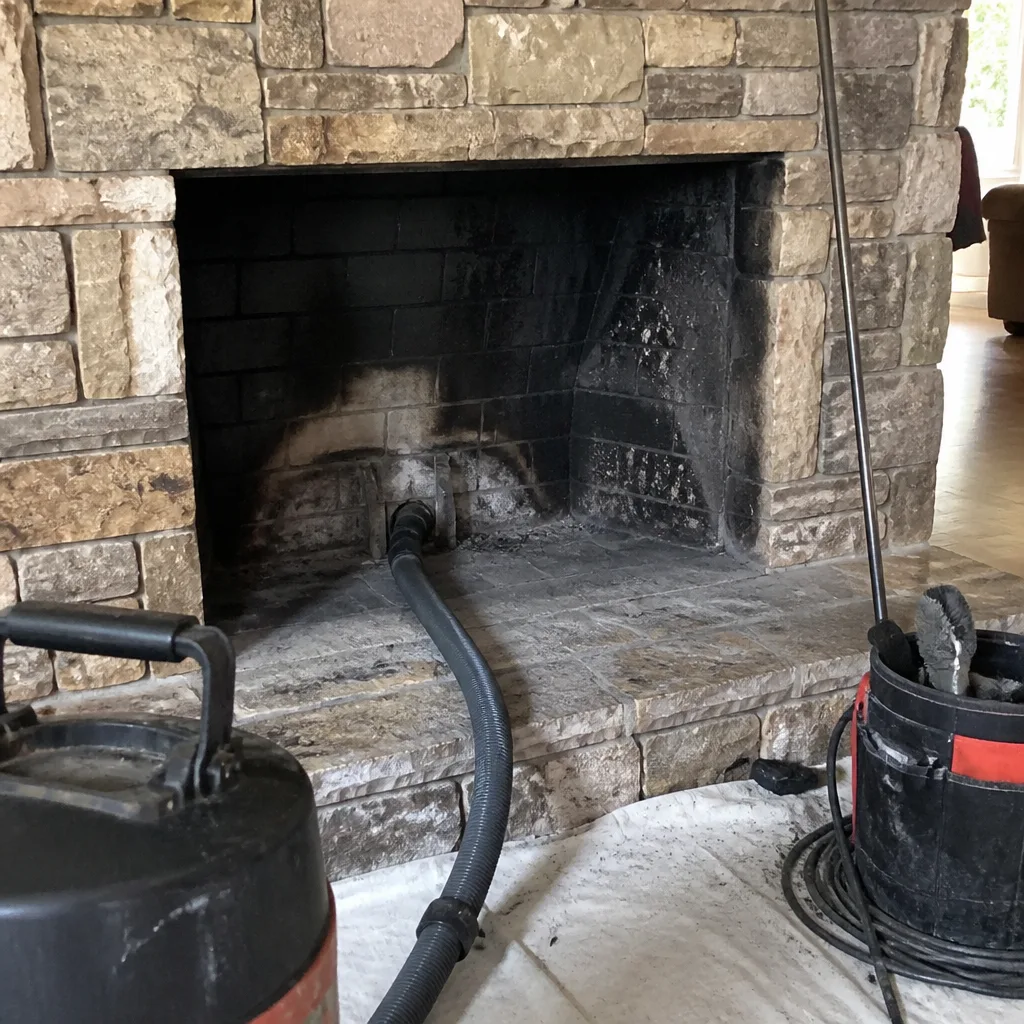 Before
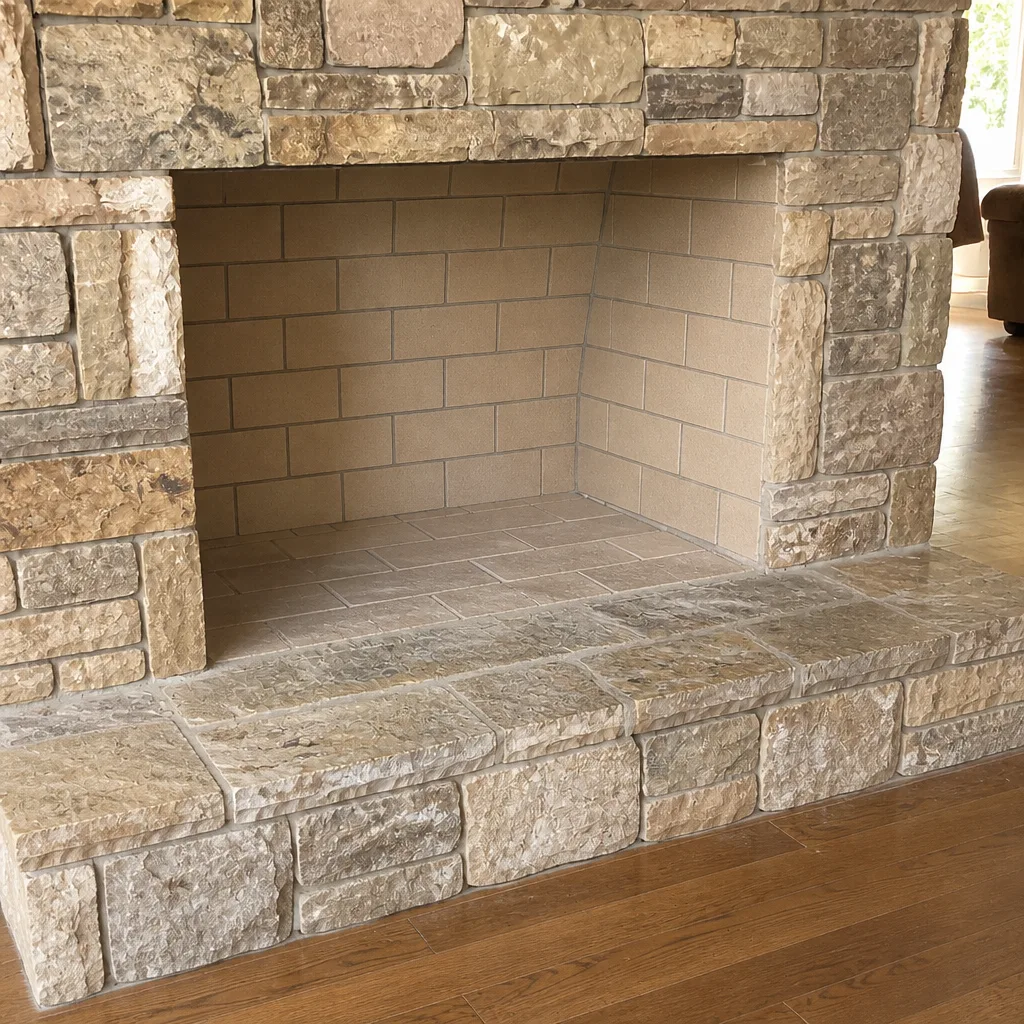 After
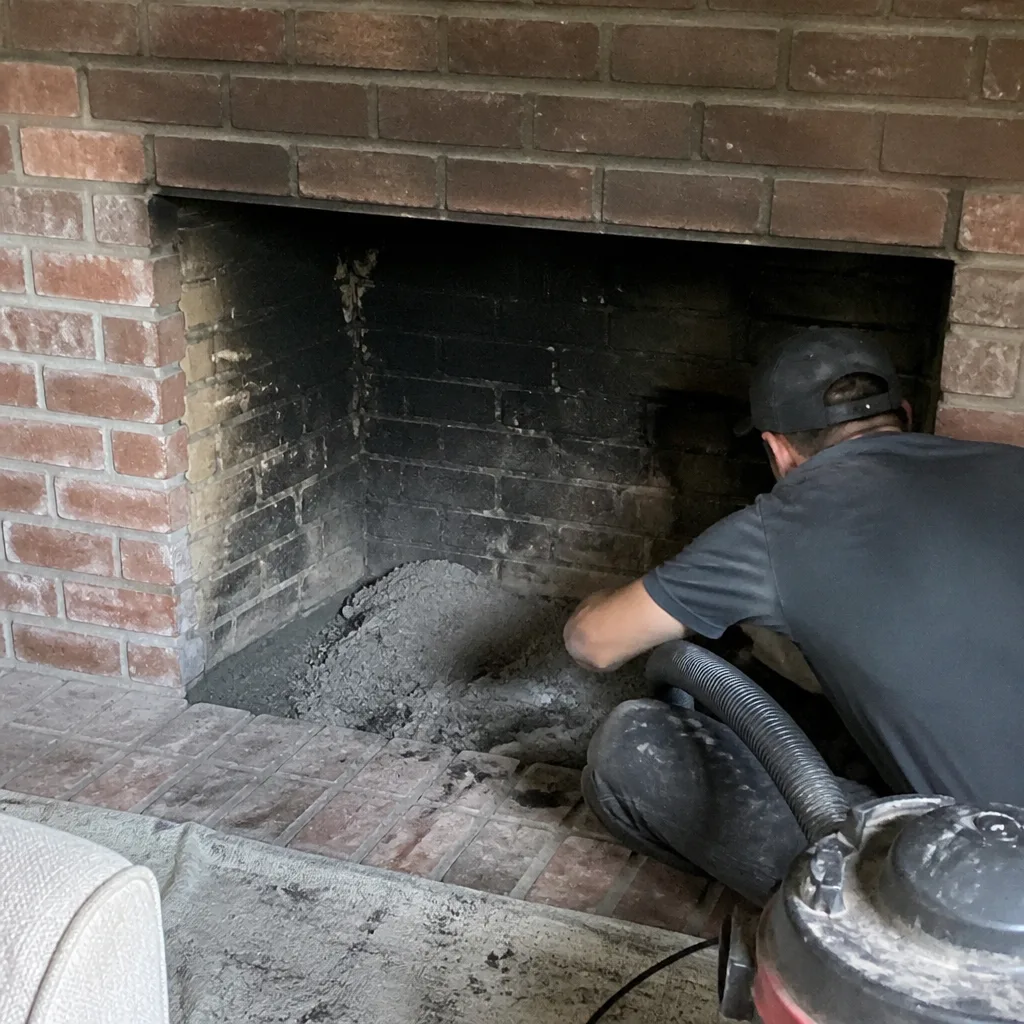 Before
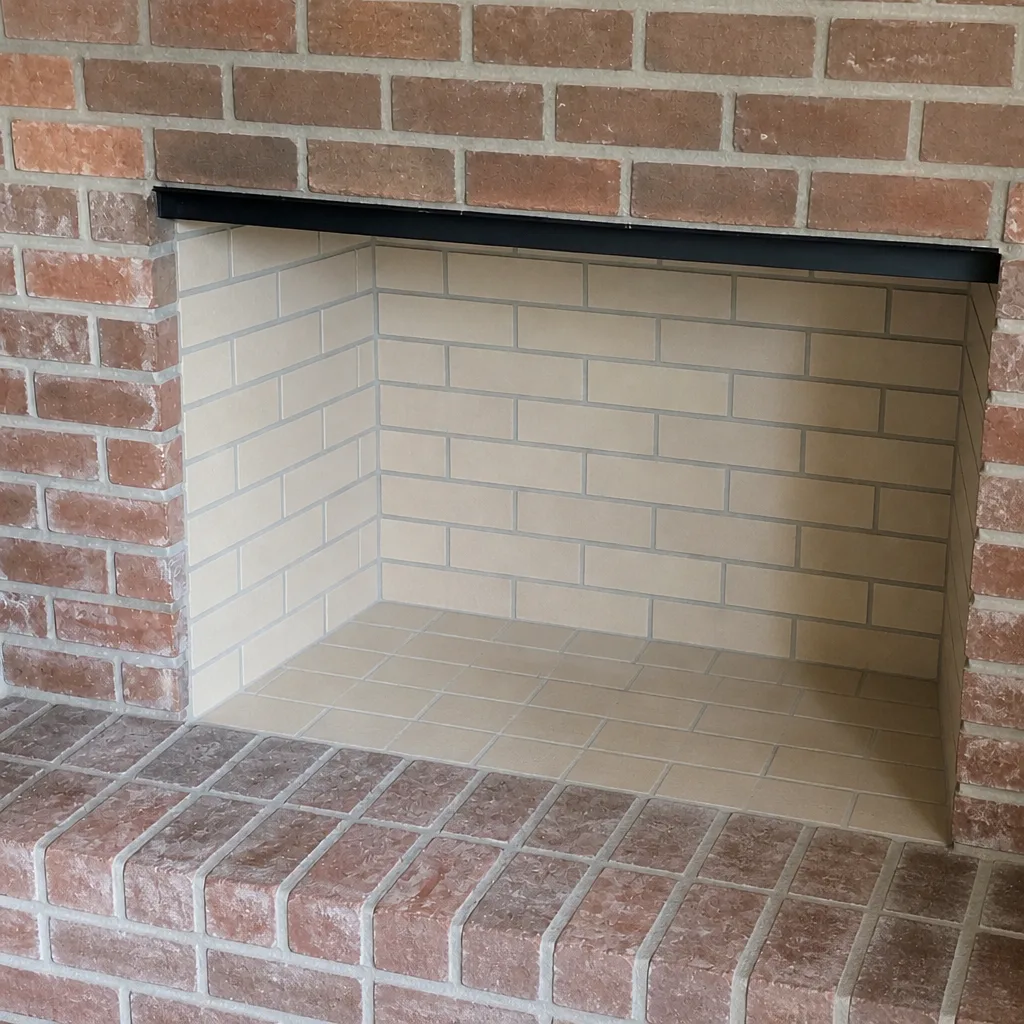 After
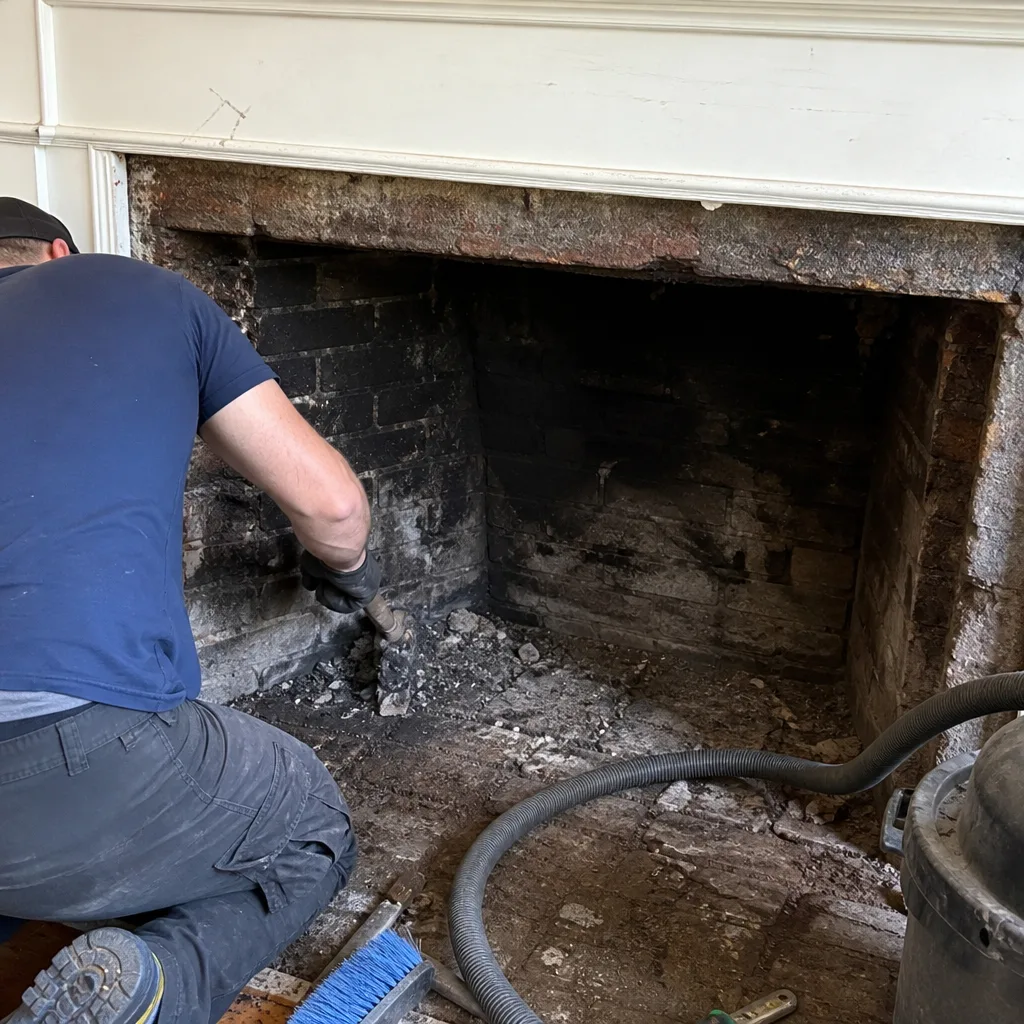 Before
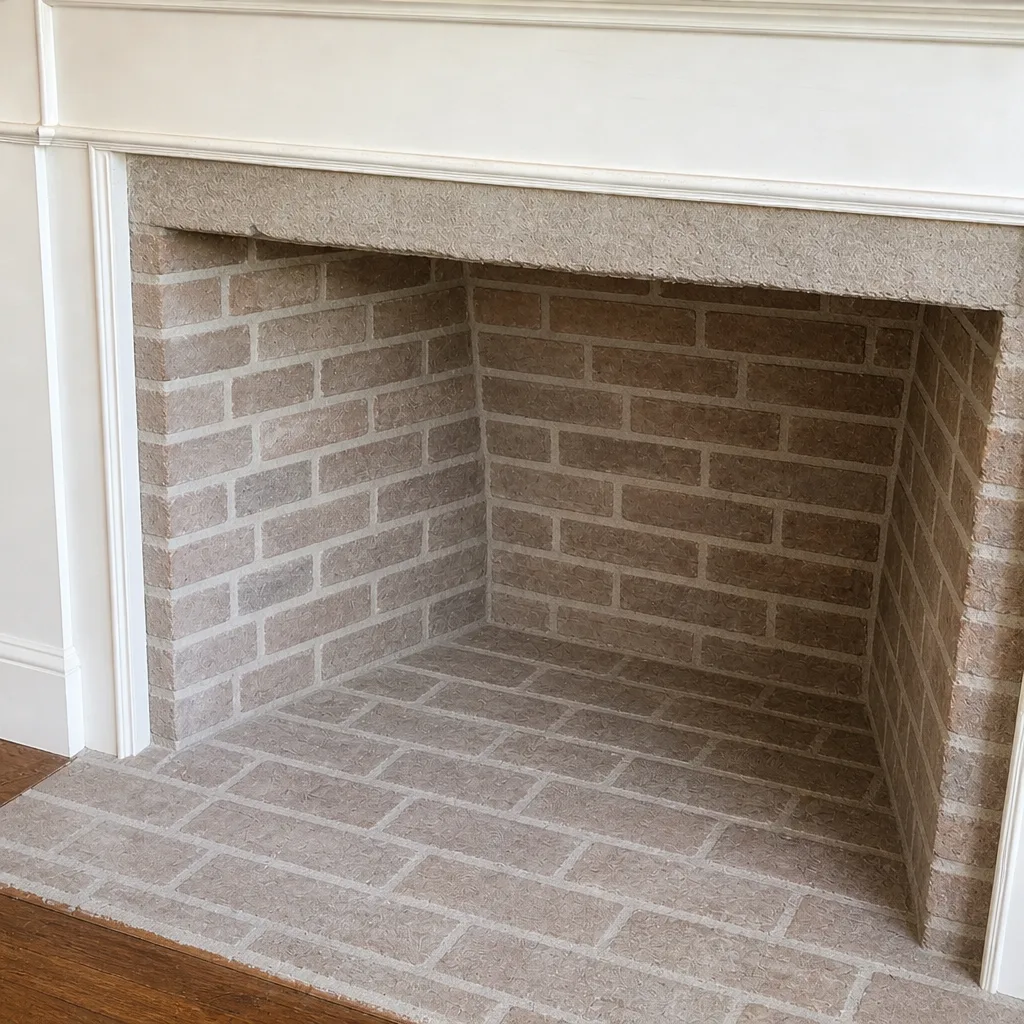 After
Frequently Asked Questions
No. Creosote logs condition existing creosote so it’s easier for a brush to remove on the next sweep, but they don’t clean the flue, remove creosote, or substitute for a professional cleaning. Used as a between-visit supplement with a sweep already scheduled, they’re reasonable. Used instead of a sweep, they’re a false comfort. Call (877) 820-8520 for an exact quote on a real cleaning – estimates are free.
Stainless steel is the professional default for a Midtown home, with copper as the longest-lived option and galvanized as the shortest-lived. Galvanized caps rust at seams and cut edges within a few seasons of humid summers; stainless resists corrosion through the alloy itself, so scratches don’t start a rust bloom; copper lasts longest and patinas with age. The right cap is sized to your flue, not pulled off a retail shelf. Call (877) 820-8520 and we’ll tell you which material fits your chimney.
Penetrating sealers soak into the masonry and line the pores from inside, blocking liquid water while letting water vapor escape. Surface coatings sit on top and block water by covering the surface, but they trap moisture inside, which is why they fail by peeling and taking face material with them. Professionals specify penetrating sealers on chimney masonry because breathability is the whole point. If your chimney was sealed with a film-former and the coating is peeling, call (877) 820-8520 for a free assessment.
A chimney should be swept whenever the creosote buildup reaches the point where it’s a fire risk, and inspected at least once a year for a wood-burning fireplace in regular use. The inspection determines the sweep: a lightly used flue may go multiple seasons between cleanings, while a heavily used one may need a sweep every season. Burning a creosote log doesn’t change the schedule. Call (877) 820-8520 to book an inspection and find out what your flue actually needs.
Only if the inspection shows a liner that’s cracked through, spalled, or missing. Minor surface wear that still contains combustion products may only need monitoring; a qualifying flue may be a candidate for HeatShield ceramic resurfacing instead of a full reline, which is less invasive and less disruptive. What we won’t do is recommend a liner without showing you the evidence. Call (877) 820-8520 for a camera inspection and a written report of what we found.
Creosote accumulates in stages, and the later stages are the ones that burn. The same deposits that start as light soot can glaze into a hard, flammable layer that no chemical log will remove, and glazed creosote is what chimney fires consume. There’s also the carbon monoxide risk: a blocked or damaged flue can let combustion gases into the home. Skipping cleaning doesn’t make the risk go away, it just removes the chance to catch it early. Call (877) 820-8520 for a free estimate on an inspection and sweep.
The Bottom Line
The right chimney cleaning brand isn’t one product on a shelf, it’s a category-by-category match to your chimney, your masonry, and Midtown’s climate. Professional-grade products earn their place through material spec, application method, and honest failure modes: penetrating sealers instead of film-formers, stainless or copper caps sized to the flue, flexible liner systems built for older housing stock, and ceramic resurfacing when a flue qualifies. Creosote logs are a supplement, not a substitute. Every recommendation should be grounded in an inspection you can see the results of. That’s the whole framework.
From the firebox to the cap, we service the whole system. If you want a straight answer about what your chimney actually needs, and a written estimate for the work, call (877) 820-8520 for a free estimate. We answer 24/7. Fast dispatch from 7am to 7pm, Sunday through Friday.
Written by the team at Chimney Sweep Midtown.