
Last updated November 24, 2026
 Sweep & inspection
 Caps & crowns
 Flue relining
 Masonry repair
 Gas fireplace service
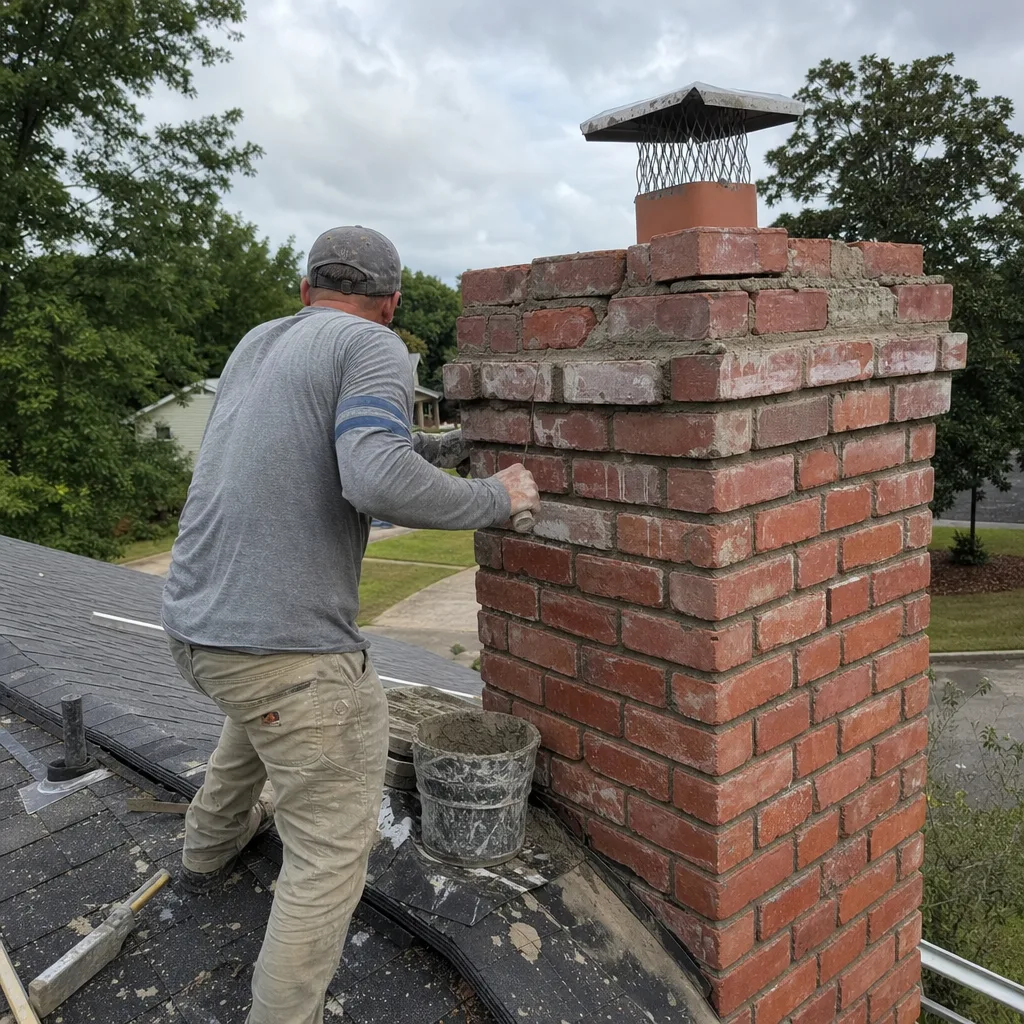
Level 1 sweep and inspection to the NFPA 211 annual standard - flue, crown, cap, and flashing checked and photographed
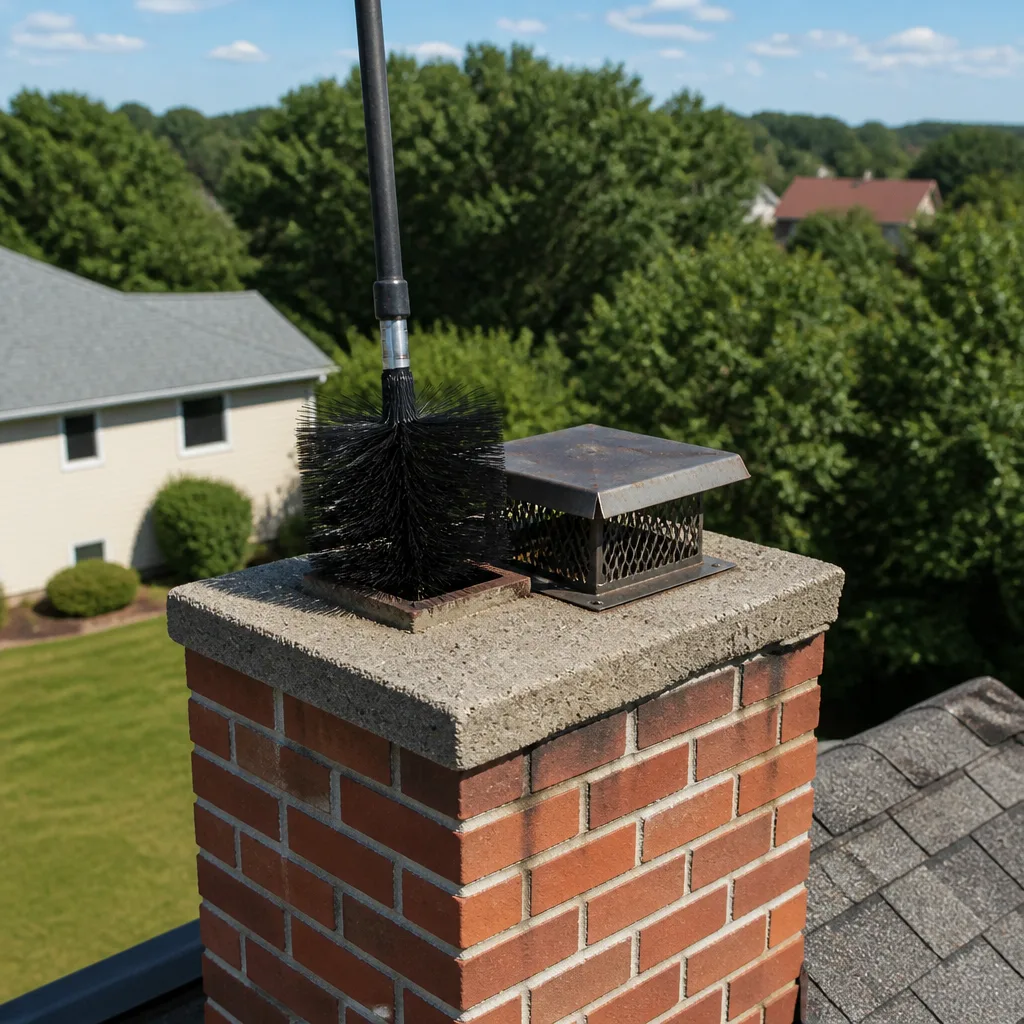
Chimney sweep logs do not sweep chimneys. They loosen some creosote - which then falls where a brush and vacuum still have to collect it.
Chimney Sweep Maintenance Schedule: What to Do and When
The National Fire Protection Association recommends an annual chimney inspection, and most homeowners treat that number as a fixed rule. It was written with a fireplace burning a few times a week in winter in mind. If you run your fireplace every cold evening, or use a wood stove as a primary heat source through a Midtown winter, that annual mark is already behind what your flue actually needs. The right schedule depends on what you burn, how often you burn it, how old the appliance is, and what shape the liner is in. This guide lays out a decision-tree schedule you can apply to your own system, rather than a generic calendar that treats every chimney the same.
Quick Answer
Most wood-burning fireplaces used a few times a week should be swept and inspected once a year, before the heating season. Heavy users, wood stoves, and older clay-tile flues often need a cleaning partway through the season, and gas appliances still need an annual inspection even though they produce little creosote. A mid-season check makes sense once you’ve gone through roughly a cord of wood. The single most reliable guide is your liner condition and how much you actually burn, not the calendar alone.
Styles & brands we work with
- Sweep & inspection
- Caps & crowns
- Flue relining
- Masonry repair
- Gas fireplace service
Table of Contents
- How Fuel Type Changes Your Schedule
- What Usage Level Triggers a Mid-Season Cleaning
- Seasonal Timing for the Midtown Climate
- What to Check Yourself Between Professional Visits
- How Liner Age and Material Change Inspection Urgency
- The Three Inspection Levels and When Each Applies
- When to Call a Professional
- Frequently Asked Questions
How Fuel Type Changes Your Schedule
Fuel type is the first fork in the decision tree, and it changes both how often you clean and what you’re actually looking for. Creosote accumulation is a wood problem; gas and pellet appliances bring their own issues that have nothing to do with soot volume.
Wood-burning fireplaces and inserts produce creosote and need sweeping based on burn volume. Creosote builds in three forms, from light soot to hardened glazed deposits, and the glazed stage is the one that fuels chimney fires. A wood appliance used regularly should be swept at least once a year, and heavy use pushes that forward.
Wood stoves used as primary heat are a different animal. These run hot and long, and a stove pushing through a full heating season in Midtown can load a flue faster than a decorative fireplace ever will. These systems often need cleaning twice a year, and the liner should be checked more closely because sustained heat stress shows up over time.
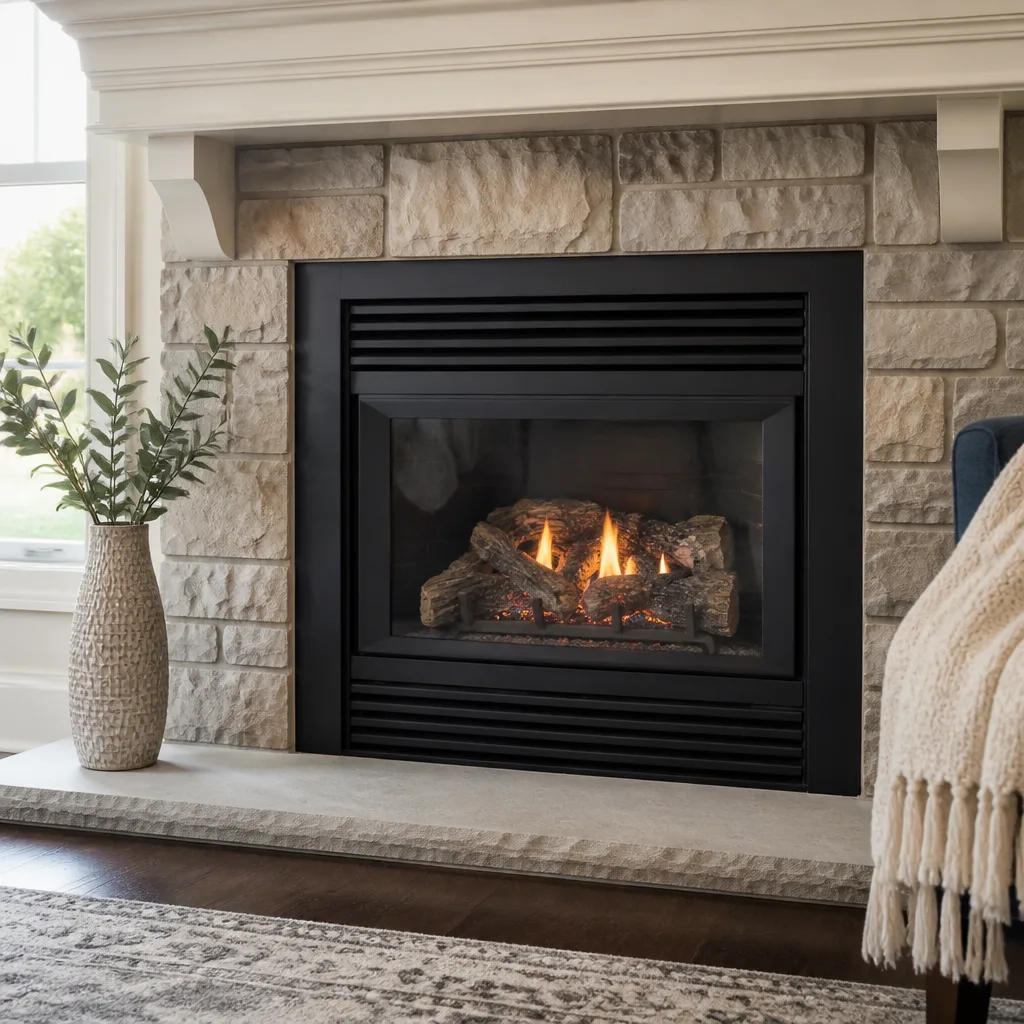
Gas fireplaces and inserts produce very little creosote, so the cleaning interval stretches. But gas appliances still need an annual inspection to check for debris, nesting, venting problems, and the condition of the flue and cap. A blocked gas flue is a carbon monoxide concern, not a creosote concern, and that makes the annual check non-negotiable.
Pellet appliances fall in between. They burn cleaner than cordwood but still produce ash and can build up in the vent. An annual cleaning and inspection is the baseline, with more frequent attention if you run the appliance daily.
What Usage Level Triggers a Mid-Season Cleaning
This is where the generic annual rule breaks down. Burn frequency is the number that actually tells you whether your flue needs attention before the season ends. Here’s a practical threshold list we use when talking through a homeowner’s habits:
- A few fires a week, occasional evenings: annual sweep is usually enough.
- Burning most evenings in cold weather: annual sweep plus a visual mid-season check of the firebox and cap.
- Roughly a cord of wood burned: schedule a cleaning once you cross that mark, regardless of where you are in the calendar.
- Daily burning through the season: plan for two cleanings, one early and one partway through.
- Wood stove as primary heat: two cleanings minimum, with a liner inspection each time.
The reason a cord of wood works as a rough trigger is that it corresponds to a meaningful volume of smoke passing up the flue. When you’ve burned through that, enough creosote has had the chance to settle that a cleaning is worth doing rather than guessing.
One more variable: how you burn matters as much as how much. Damp or unseasoned wood, and smoldering fires with the damper choked down, produce more creosote per load than hot fires with dry wood. If you’ve been burning wet wood, tighten the schedule. A Midtown homeowner who burns hot and dry can stretch an interval that a smoldering burner cannot.
Seasonal Timing for the Midtown Climate
Midtown winters are mild compared to the Northeast, but that doesn’t make the chimney any less important. The heating season here tends to start later and stay shorter, which changes when you should schedule relative to the cold. The wrong move is to wait until the first genuinely cold week, because that’s exactly when everyone else calls.
We recommend booking a sweep in the weeks before the heating season arrives, while the weather is still mild and the schedule has room. That way, when the first cold snap hits Midtown, you’re burning into a clean, inspected flue rather than finding out mid-season that you need work done. The old urban housing stock around Midtown tends to have taller chimneys and older flue geometries, and those benefit from a proper look before they’re put back to work.
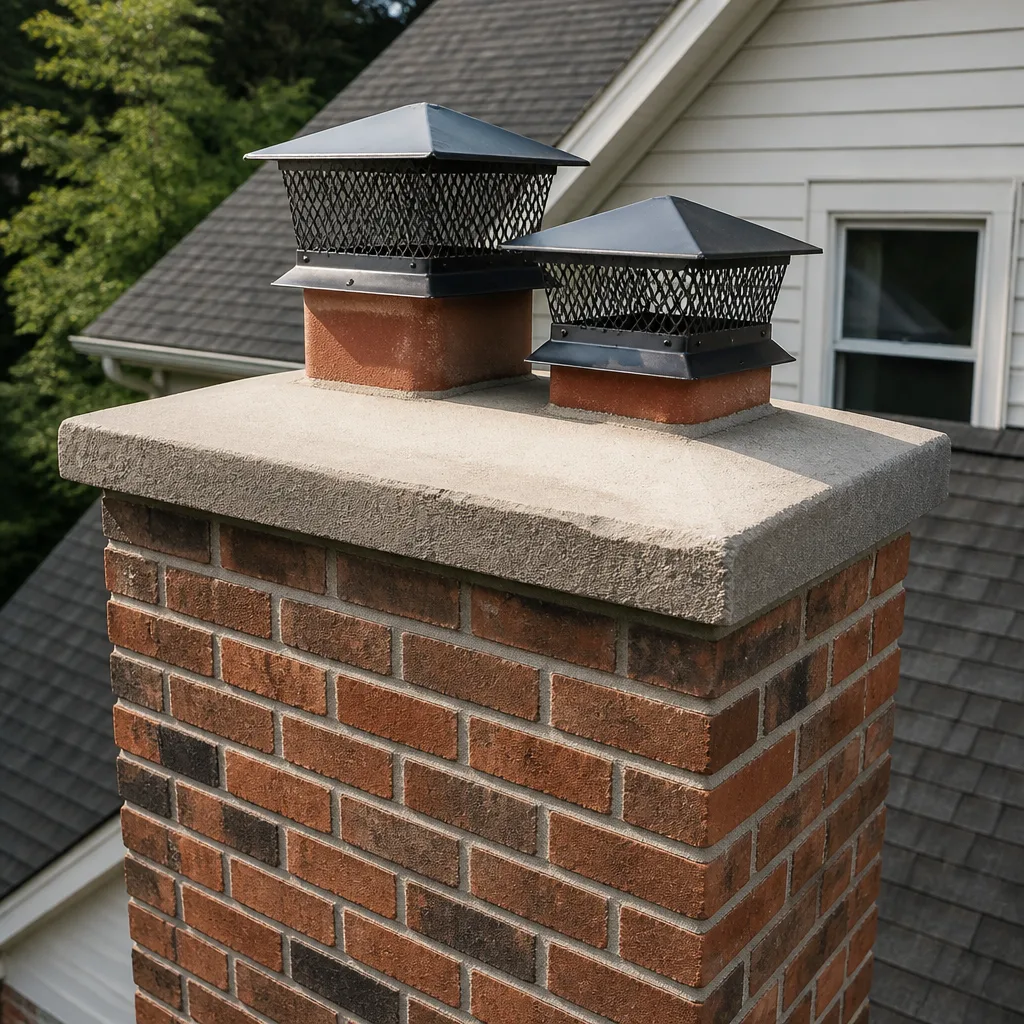
The off-season also matters for repairs. If an inspection turns up a crown crack or a cap problem, doing that chimney cap & crown work when it isn’t urgent means it can be planned rather than rushed. Moisture intrusion gets addressed with purpose-built components on a normal schedule, not improvised in a hurry once the rain is already coming in.
In our experience, one of the most common avoidable problems in Midtown is a flue that sat all summer with a failed crown and a missing cap, then went straight into winter use with water damage already present. Scheduling the inspection ahead of the season catches that while there’s still time to fix it properly.
What to Check Yourself Between Professional Visits
You don’t need to clean your own chimney, and you shouldn’t try. But a short visual check between professional visits catches the problems that are safe to spot from the ground or the firebox. Here is what’s worth a look, and what it tells you:
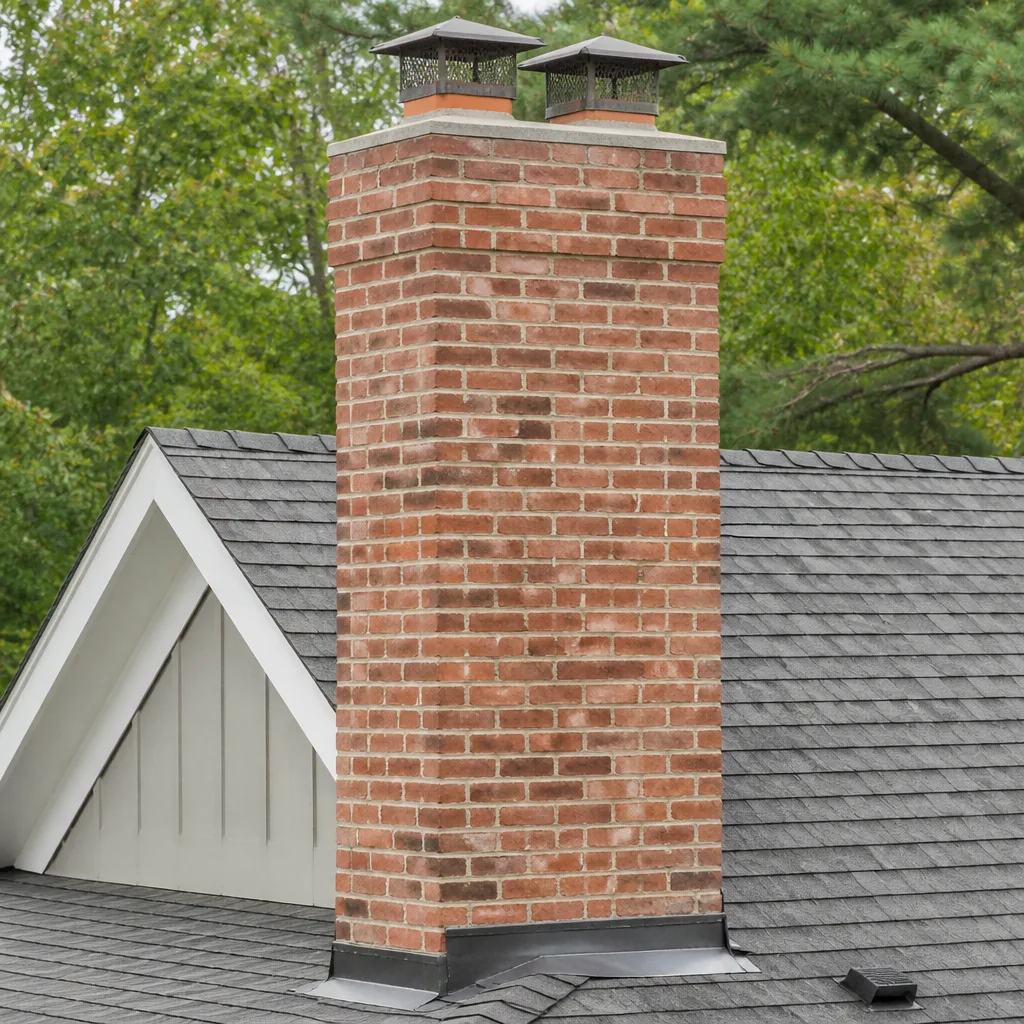
- The cap. Look up at the top of the chimney and confirm the cap is present, intact, and not rusted or blown loose. A missing cap lets rain, animals, and debris straight into the flue.
- The crown. From a safe vantage, check the concrete crown at the top for visible cracks or crumbling. Cracks let water in and lead to bigger repairs.
- The firebox floor. Look for cracks, gaps, or loose mortar in the firebox floor and walls. A compromised firebox is a call-us-now item, not a wait.
- Creosote visible in the flue. A visible buildup on the damper or the first section of flue is a sign the flue is loading up.
- Smoke backing into the room. If the fireplace smokes into the room instead of drafting up, something is restricting the flue. That’s a professional call.
- The cap and spark screen. Confirm the spark screen is intact, since a loose one lets embers and nesting material into the flue.
What this check does not replace is the camera look inside the flue. A failed or cracked liner, or a hidden creosote pocket, is exactly the kind of thing you cannot see from outside, and it’s the reason a professional inspection matters. We do not recommend anything based on a guess; the findings are documented so you can see what we see.
Cap and crown condition is the single biggest between-visit item, because moisture is patient and quiet. A fireplace repair that starts as a small crack in the crown can become a masonry job if it’s ignored for a few seasons. Catching it early keeps repair scope tight.
How Liner Age and Material Change Inspection Urgency
The liner is the part of the system most homeowners never think about, and it’s the thing the schedule should be built around. Clay tile and stainless steel behave very differently over time, and their age changes how often you should have them inspected.
Clay tile liners
Clay tile is the traditional liner in older Midtown homes. It’s durable, but it’s not flexible, and it cracks under sustained heat cycling and moisture. Once a clay tile cracks or the mortar joints open, gases and heat can reach surrounding combustibles, which is a serious safety concern, not a cosmetic one. Newer clay tile that’s intact can go on a standard annual inspection. But as clay tile ages, the inspection should get more frequent and more thorough, because the failure mode is a hidden crack the eye can’t see from outside.
Stainless steel liners
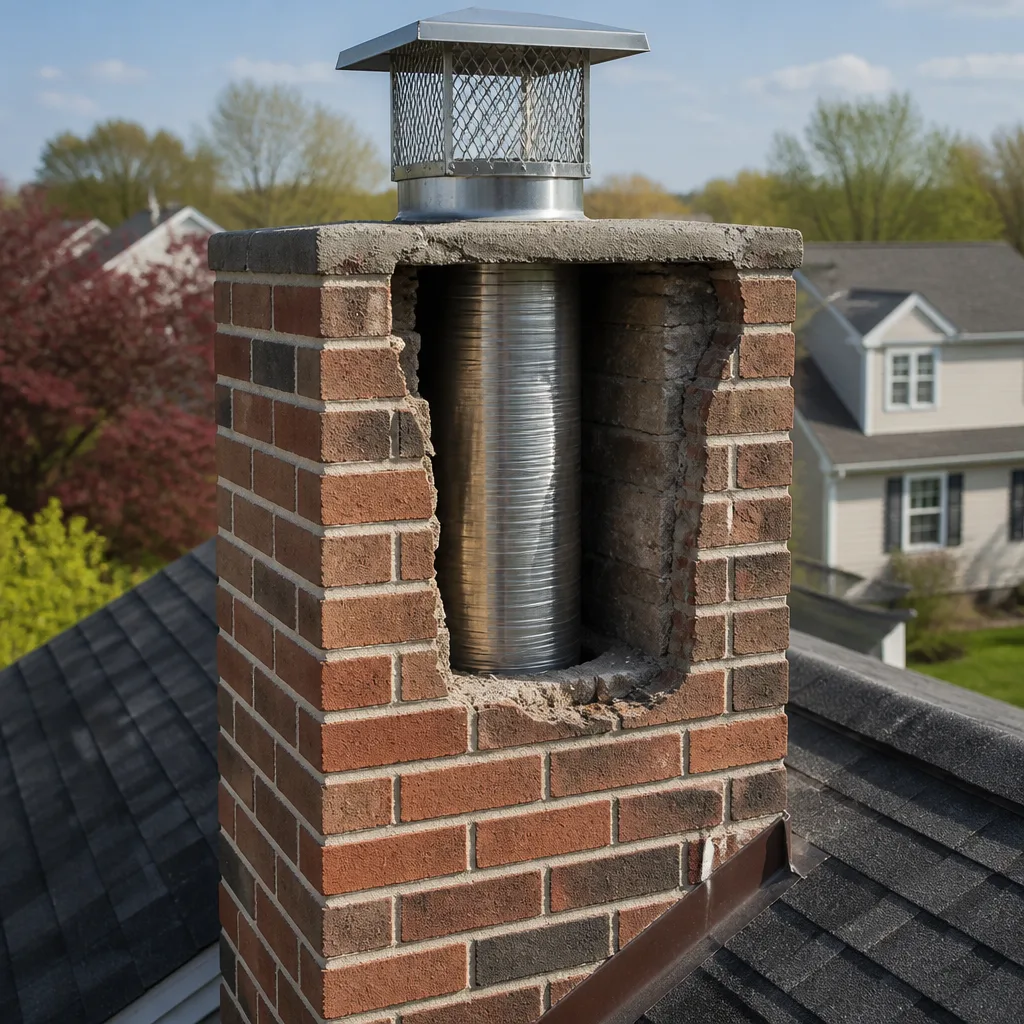
Stainless steel liners, including flexible systems like DuraFlex, are installed inside the existing flue and are more resistant to cracking. This is why flexible stainless systems are what we use on relining jobs where flue geometry is complex, which is common in older urban housing stock. A stainless liner still needs annual inspection to check for seam integrity and to make sure the flue was swept properly, but it holds up well over time.
HeatShield restored flues
For a clay flue that’s deteriorated but still structurally sound, HeatShield ceramic resurfacing can restore the flue surface without a full reline. This is a specialized repair that requires trained application, and most local sweeps can’t perform it. A restored flue changes the inspection picture too: it’s a flue that has been stabilized, and the annual check is about confirming the restoration is holding rather than worrying about a failing clay tile.
The age rule of thumb: an older, single-stage clay-tile flue in a Midtown home is a higher-urgency inspection than a newer stainless system. When you don’t know the liner’s history, the safest course is a thorough inspection to establish a baseline, then build the schedule from there.
The Three Inspection Levels and When Each Applies
Not every visit is the same inspection. The industry uses three levels, and which one you need depends on what’s being done and whether the system has changed. Knowing the difference keeps you from paying for a deeper inspection when a basic one applies, or vice versa.
- Level 1. A basic visual inspection of accessible parts of the flue and firebox, done during a routine sweep when the system is unchanged and in known condition. This is the annual baseline for a fireplace you use normally.
- Level 2. A more thorough inspection that includes the flue interior with a camera, appropriate when there’s a change in fuel type, a new appliance, a liner concern, or after a chimney fire. This is the level that catches hidden liner cracks and interior buildup.
- Level 3. The most detailed level, which may involve opening parts of the structure when a serious problem is suspected. This is reserved for specific concerns a Level 2 inspection has raised.
In practical terms, a Midtown homeowner who burns regularly should expect a Level 1 at each annual sweep and a Level 2 anytime something changes: a new insert, a switch from wood to gas, a liner that’s showing wear, or a chimney fire. The level isn’t about upselling; it’s about matching how deep we look to what’s actually at stake.
Every job we take on begins with an inspection, so any recommendation rests on documented findings. That’s the difference between a real maintenance schedule and a service call that ends in a sales pitch. When we recommend a sweep or a repair, it’s because the inspection showed it, and here’s what we found so you can see it for yourself.
When to Call a Professional
Some things are routine maintenance; some are a call worth making now. Call a professional right away if you’ve had a chimney fire, no matter how small it seemed, if smoke backs into the room, if you smell a strong creosote or burning odor that doesn’t clear, or if you can see cracks or missing pieces in the firebox. You should also call if you’re switching to a new appliance, moving into a Midtown home whose chimney history you don’t know, or if it’s simply been more than a year since the last sweep. And any gas appliance that hasn’t been inspected in a while deserves a look, because a blocked vent is a carbon monoxide hazard that doesn’t announce itself.
Chimney Sweep Midtown offers free estimates in Midtown. Call (877) 820-8520. We answer 24/7. Fast dispatch from 7am to 7pm, Sunday through Friday.
See the difference
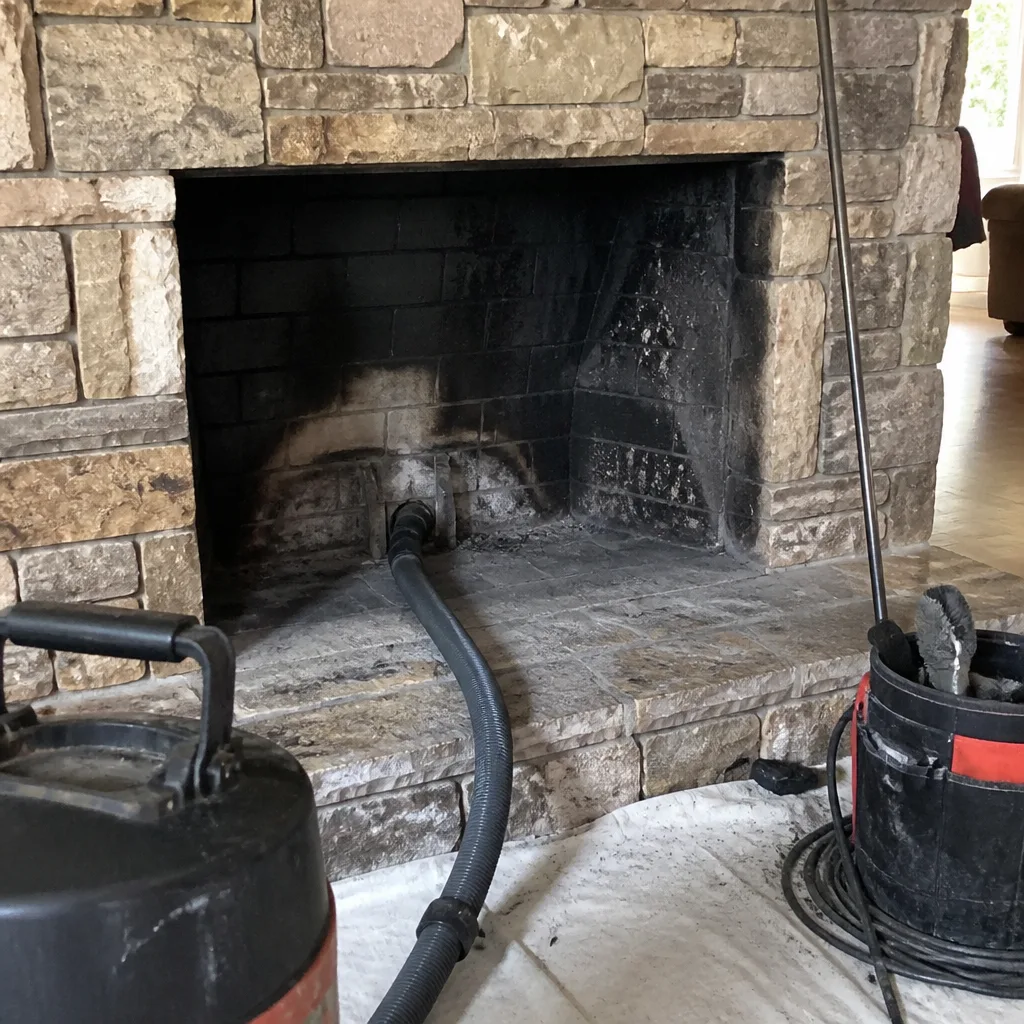 Before
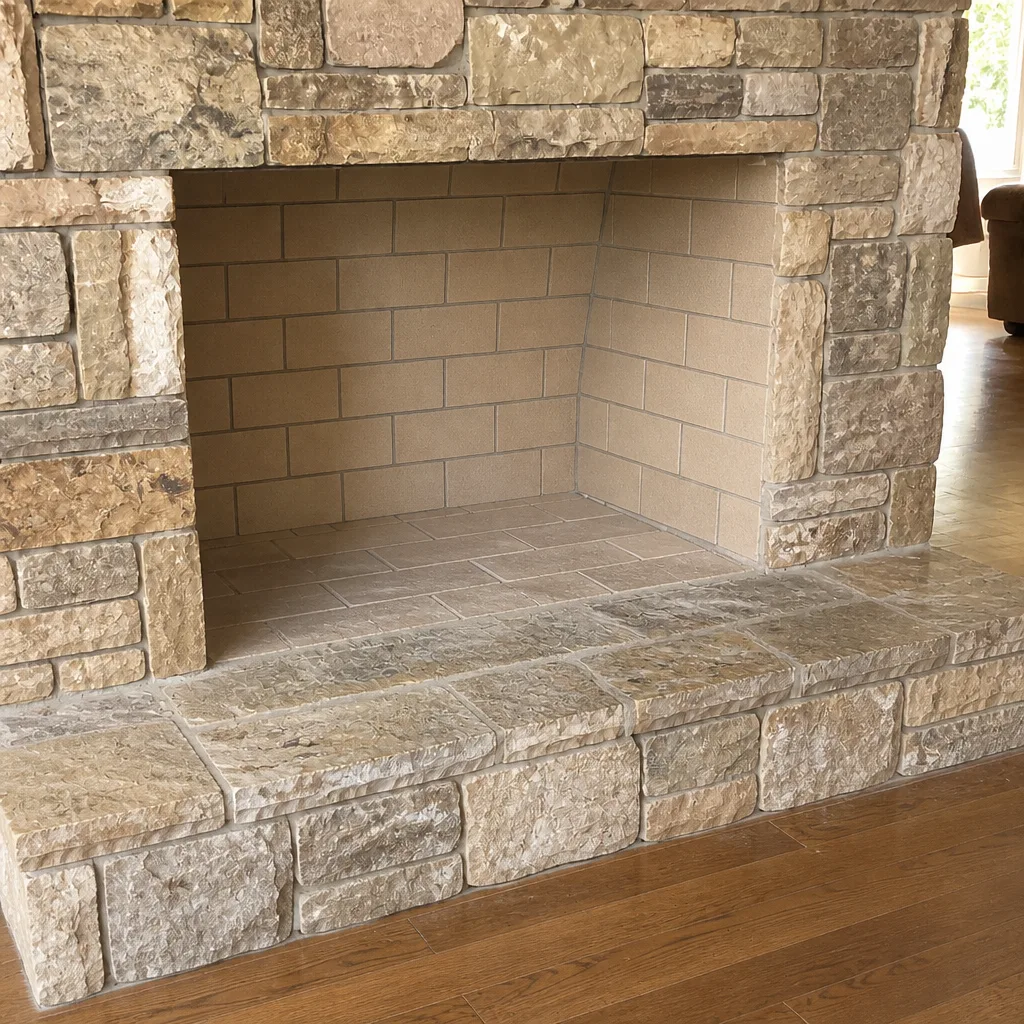 After
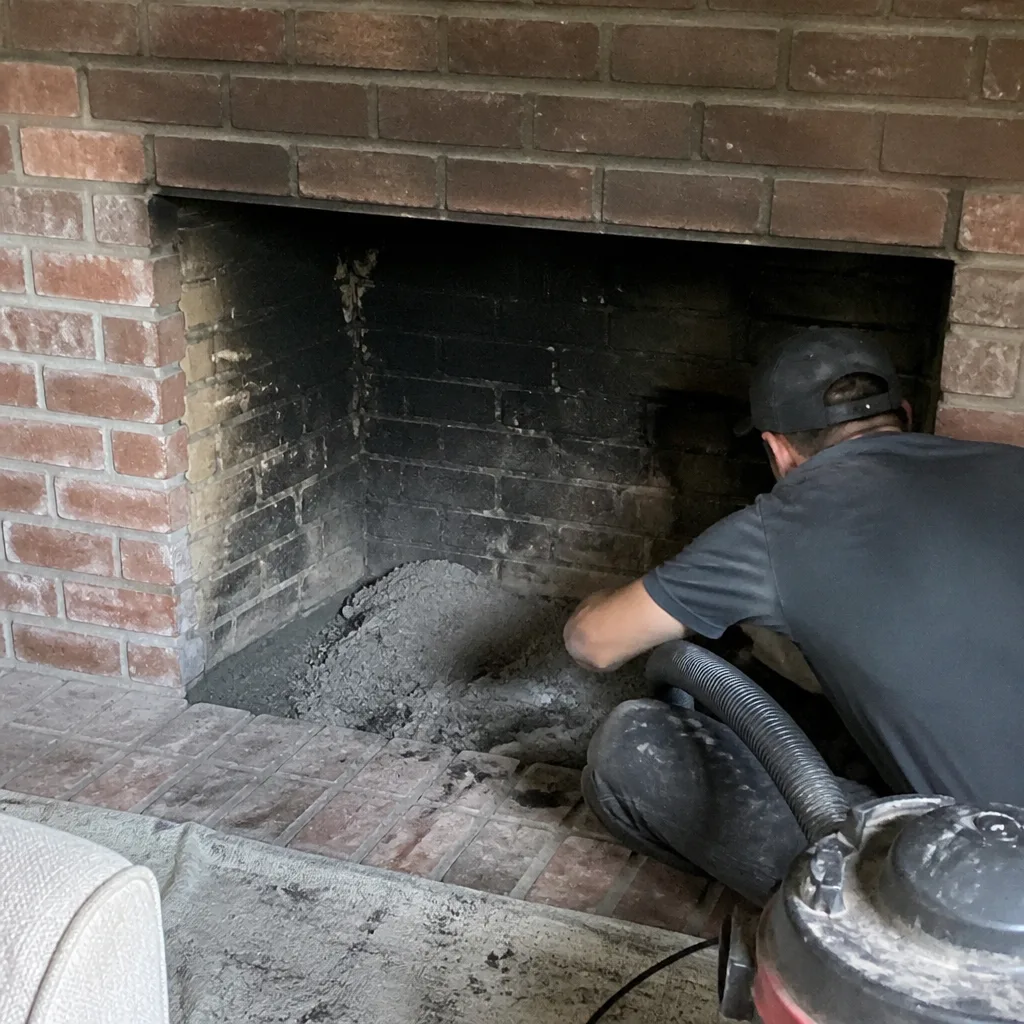 Before
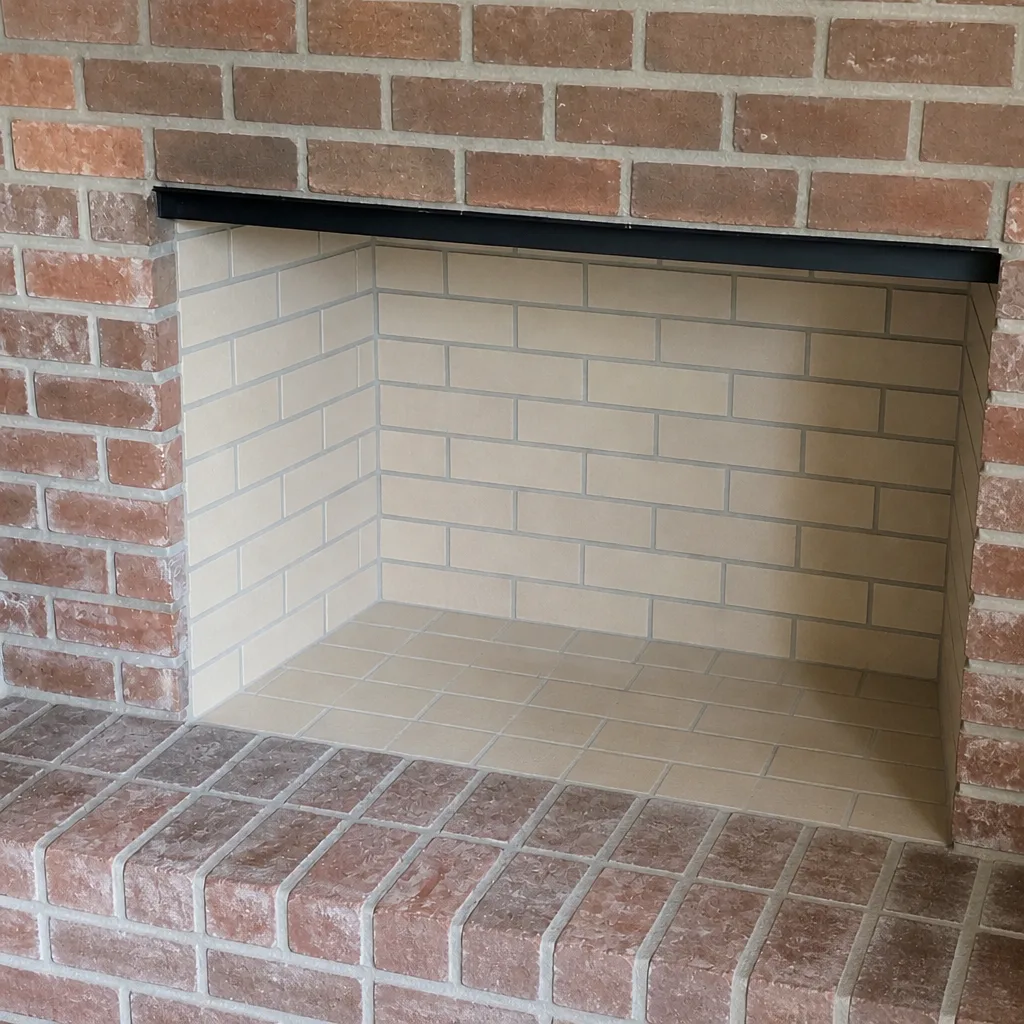 After
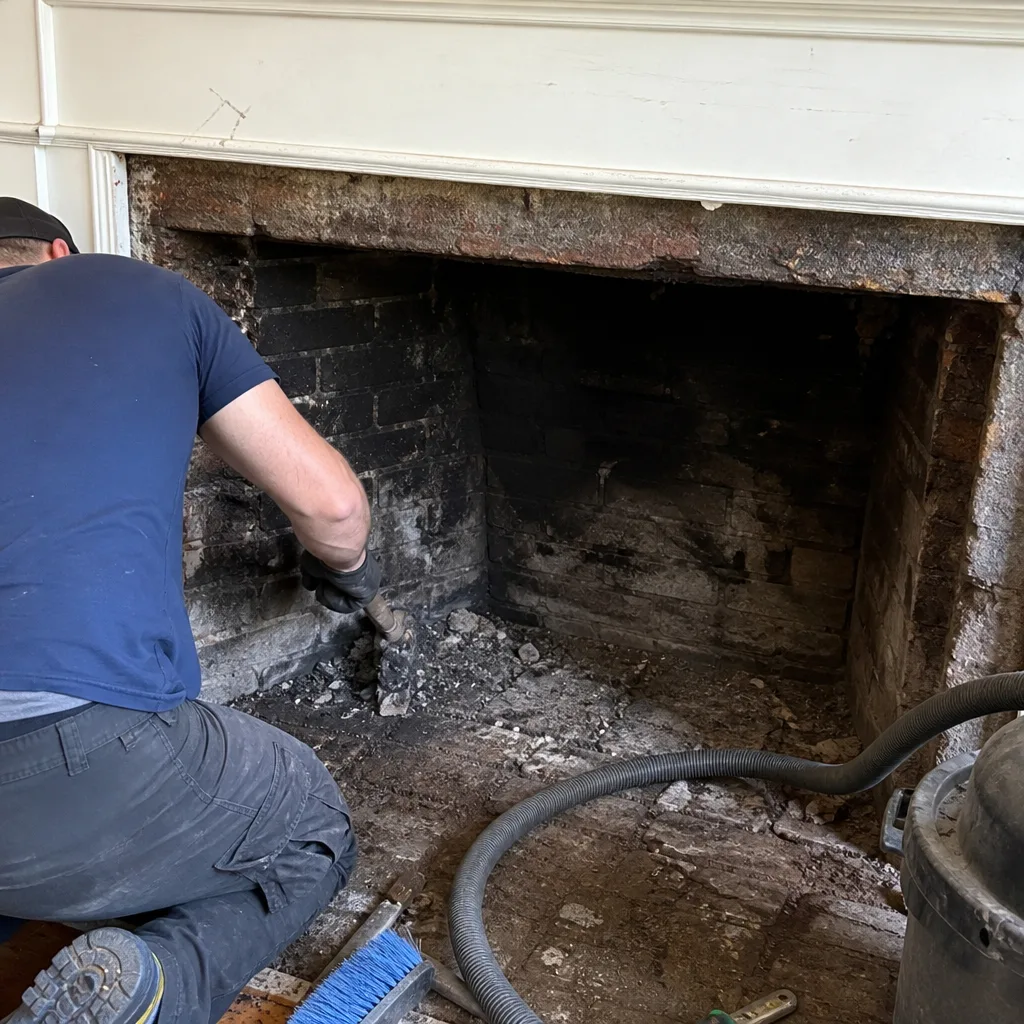 Before
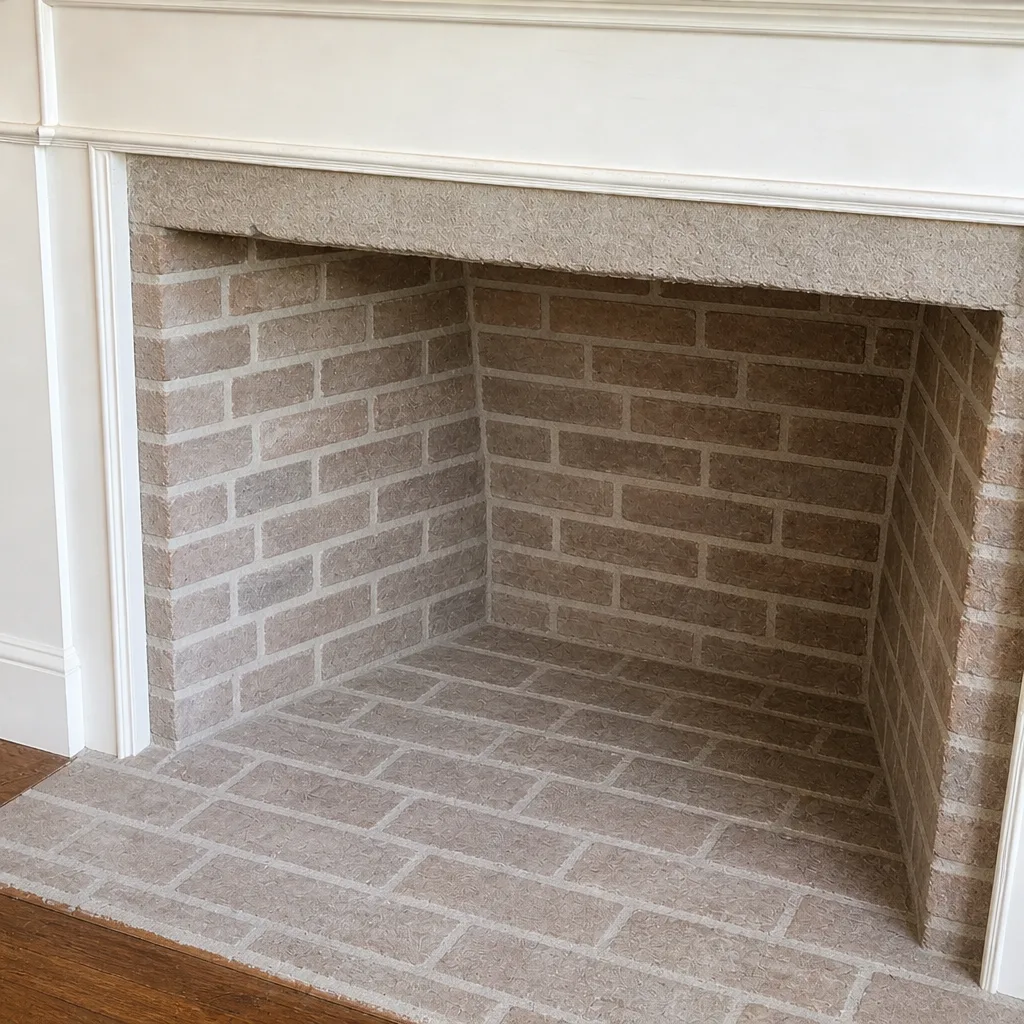 After
Common Mistakes to Avoid
- Treating the annual sweep as the whole schedule. Annual is the floor. If you burn heavily or use a stove as primary heat, you need more than once a year, and only scheduling annually leaves the flue overloaded.
- Skipping the inspection because the sweep is clean. A clean flue can still have a cracked liner or a failing crown. Cleaning and inspection are different jobs, and the inspection is the one that protects you.
- Waiting until the first cold week. In Midtown, everyone books when the cold hits. Schedule before the heating season so you’re burning into a clean flue, not discovering a problem mid-season.
- Burning wet or unseasoned wood. It produces more creosote per load, which shortens the interval you can safely run between cleanings. Dry wood changes the schedule for the better.
- Ignoring a missing or damaged cap. An open flue takes in rain and animals, and moisture damage compounds quietly. Cap condition is one of the cheapest things to fix and one of the costliest to ignore.
- Assuming a gas fireplace needs no maintenance. Gas produces little creosote but still needs an annual inspection for venting and carbon monoxide safety.
- Relying on a sweep with no camera inspection. The problems that matter most are inside the flue, and a brush alone can’t show you a cracked liner. Ask what was actually inspected.
Frequently Asked Questions
Once a year is the baseline for a wood-burning fireplace used a few times a week, and more often for heavy use or wood stoves. A rough trigger is a cleaning once you’ve burned about a cord of wood, plus the annual sweep before the heating season. Call (877) 820-8520 for an exact recommendation for your system.
Yes. A sweep removes creosote, but an inspection looks for cracked liners, failing crowns, and other problems a brush can’t detect. The two serve different purposes, and the inspection is what tells you whether the chimney is actually safe to use. Call (877) 820-8520 to schedule one.
Yes, even though gas produces very little creosote. The annual check confirms the vent is clear and the flue is intact, which protects against carbon monoxide problems. Skipping it is a safety risk, not a money-saving shortcut. Call (877) 820-8520 for an estimate.
A clay flue that’s deteriorated but still structurally sound can sometimes be restored with HeatShield ceramic resurfacing instead of a full reline. A flue that’s badly damaged calls for a stainless liner like DuraFlex. Only a camera inspection can tell you which applies. Call (877) 820-8520 to find out what your flue qualifies for.
Book before the heating season, while the weather is mild and the schedule has room, rather than waiting for the first cold week when everyone calls. Midtown’s heating season starts later than in colder regions, so the weeks before it are the sweet spot. Call (877) 820-8520 for a free estimate.
Creosote builds up until it can fuel a chimney fire, cracked liners let heat reach combustibles, and moisture from a failed cap or crown quietly damages masonry. None of these announce themselves early, which is why the schedule matters. Call (877) 820-8520 and we’ll document what we find before recommending anything.
The Bottom Line
Annual sweeping is the floor, not the ceiling. Build your schedule around what you burn and how often: once a year for a lightly used wood fireplace, twice for heavy use or a wood stove, and an annual inspection no matter what fuel you use. Watch the cap and crown between visits, treat a cord of wood as a rough mid-season trigger, and pay attention to liner age and material, because that’s where the real urgency lives. If you’re unsure where your system falls, that’s exactly what an inspection is for. Chimney Sweep Midtown works the full system, from the firebox to the cap, and every job starts with documented findings. Call (877) 820-8520 for a free estimate, and we’ll map out the right schedule for your Midtown home.
Written by the team at Chimney Sweep Midtown.