
Last updated November 24, 2026
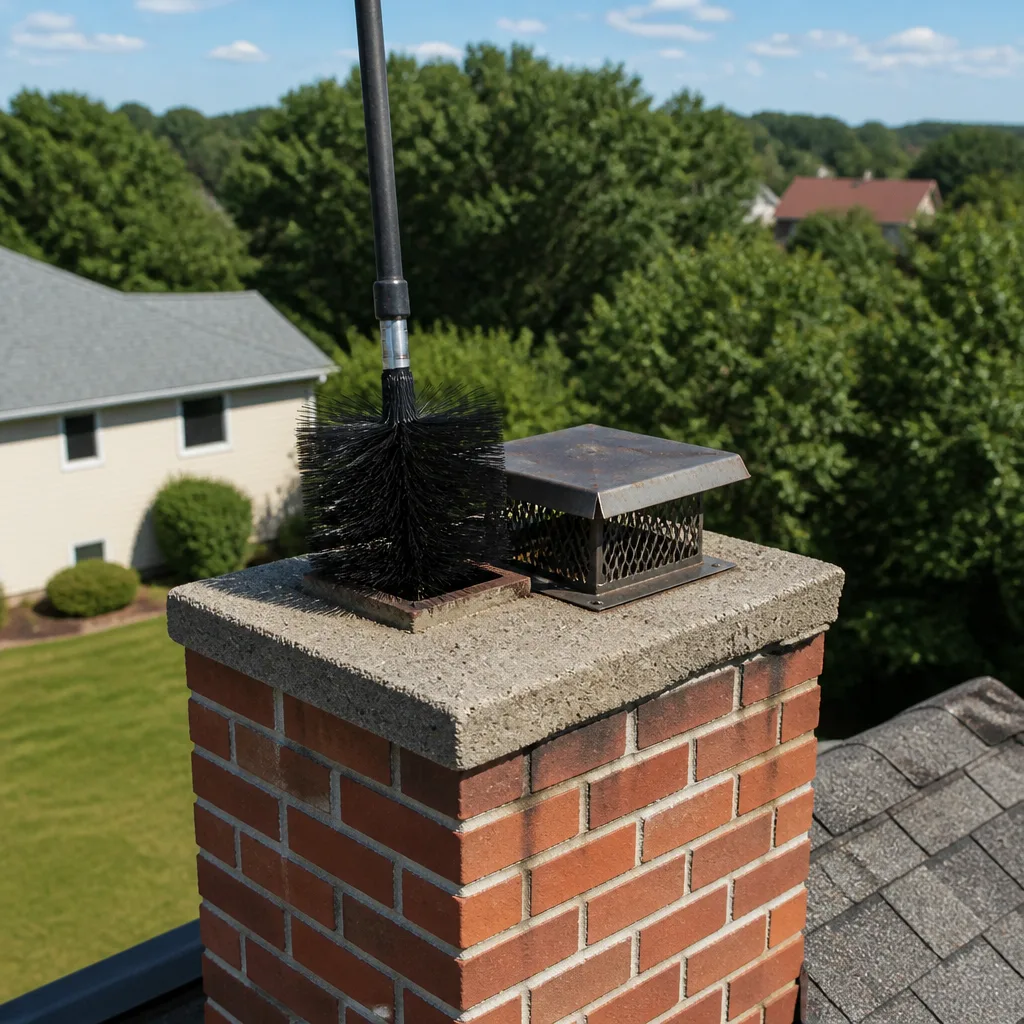 Sweep & inspection
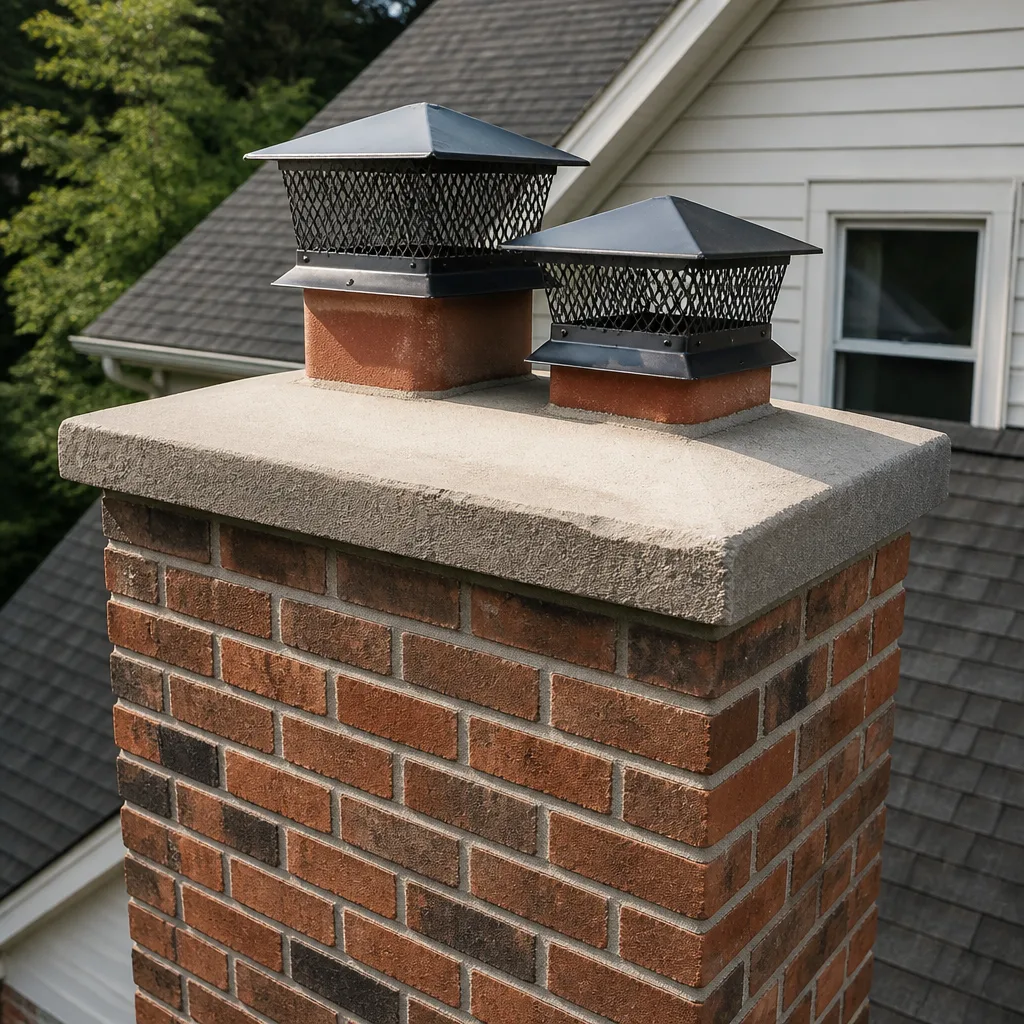 Caps & crowns
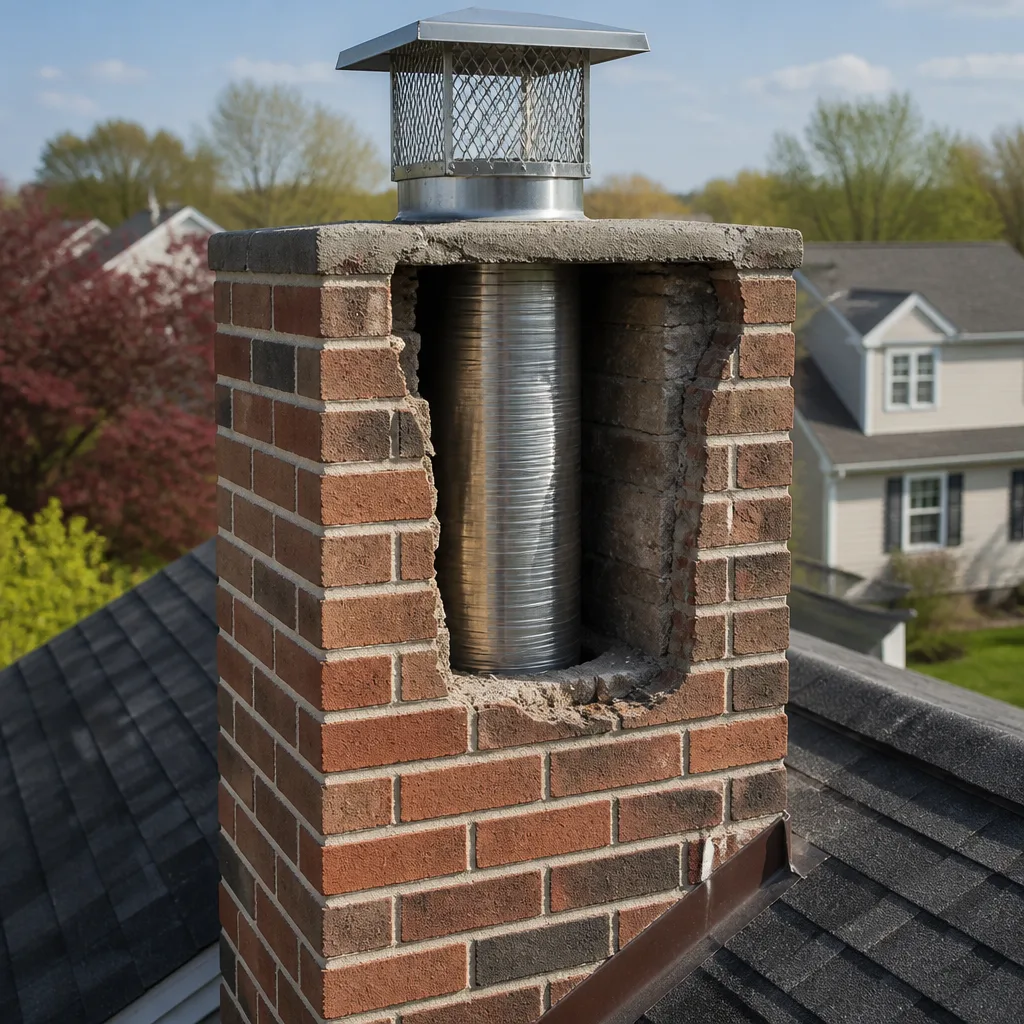 Flue relining
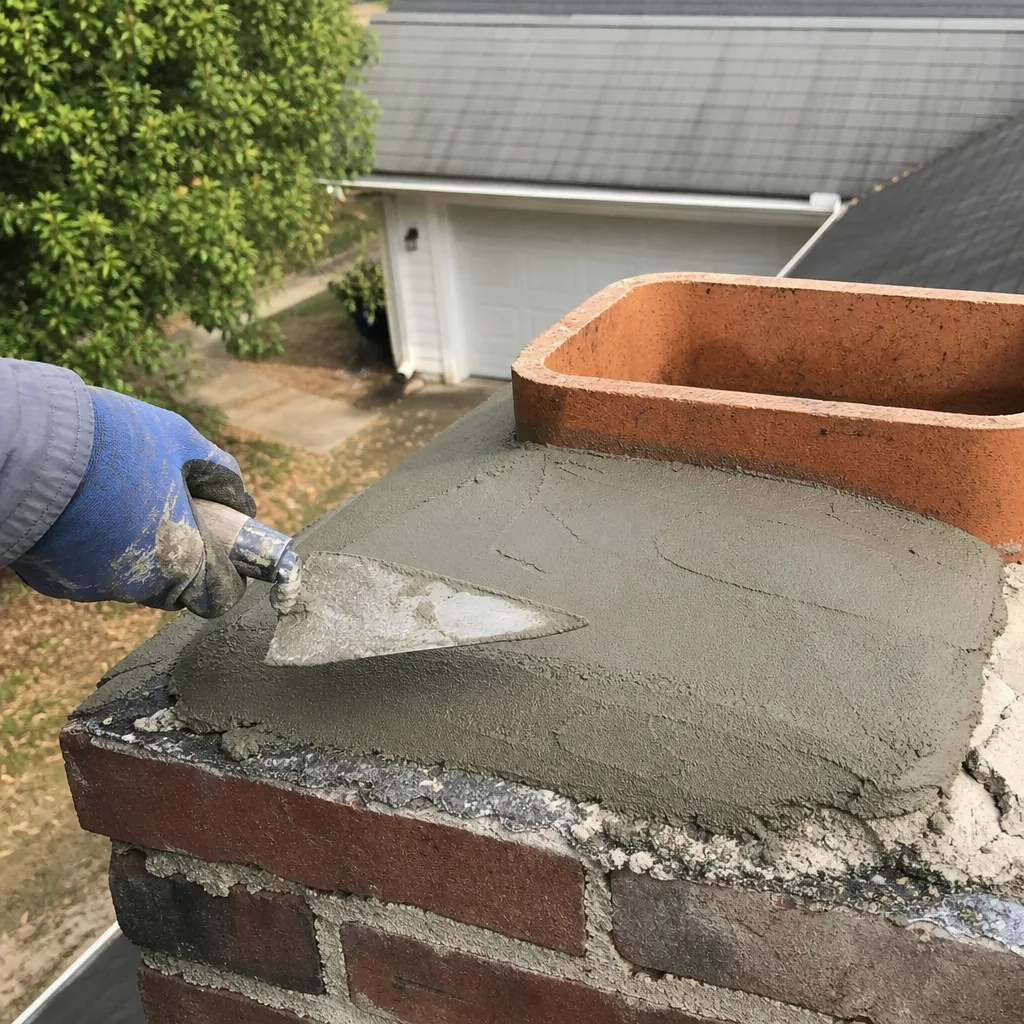
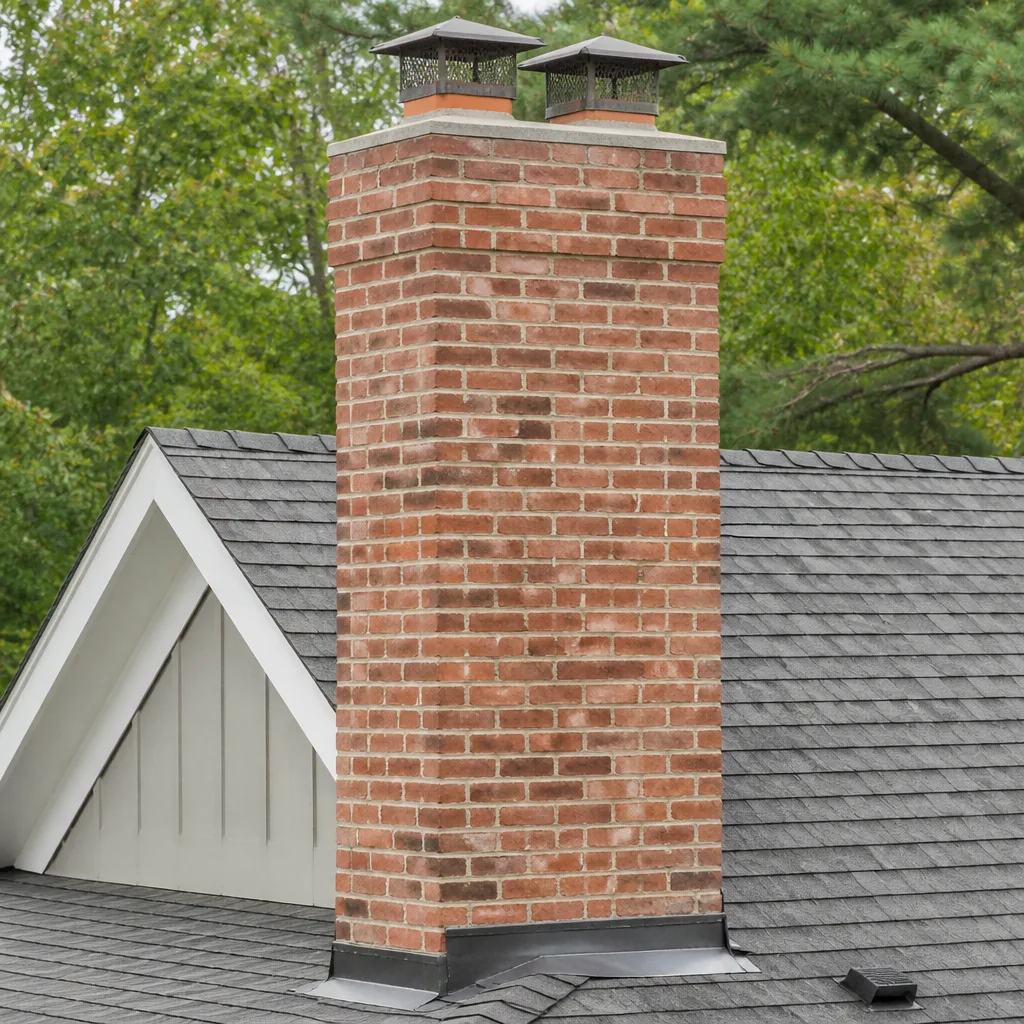 Masonry repair
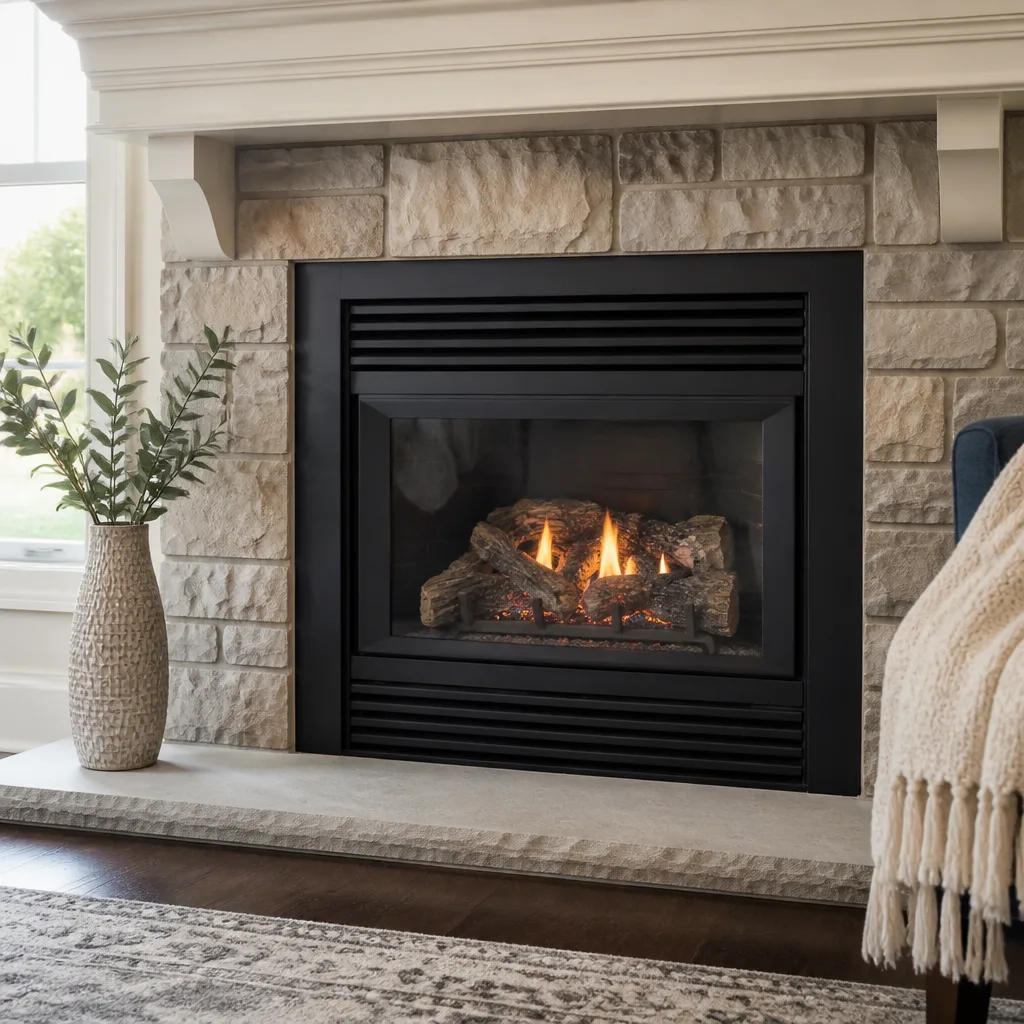 Gas fireplace service
Level 1 sweep and inspection to the NFPA 211 annual standard - flue, crown, cap, and flashing checked and photographed
Chimney sweep logs do not sweep chimneys. They loosen some creosote - which then falls where a brush and vacuum still have to collect it.
Chimney Cleaning Cost Breakdown: The Midtown Homeowner’s Reference for 2026
Two chimney cleaning quotes in Midtown can differ by $200 and cover completely different scopes of work. Comparing them without knowing what’s inside each quote is guesswork, not shopping. Most homeowners shop on the bottom-line number, then discover the cheap quote skipped the inspection, brushed only the flue they could reach, and left the camera in the case. The expensive quote may have included a Level II video inspection you actually needed – or padding you didn’t. This guide breaks down what each component of a chimney cleaning actually costs in the Midtown market for 2026, what makes two quotes for the same service drift apart, and how to read a written estimate so you know what you’re paying for before anyone climbs on the roof.
Styles & brands we work with
- Sweep & inspection
- Caps & crowns
- Flue relining
- Masonry repair
- Gas fireplace service
Quick Answer
A standard chimney sweep in Midtown typically runs $185 to $320, with a Level II video inspection adding $150 to $280 when it’s not bundled in. The final price depends on chimney height, flue configuration, creosote stage, and whether the technician has to camera the flue. A written estimate should break out labor, inspection level, materials, and documentation separately – if it doesn’t, ask why.
Table of Contents
- What’s Actually Inside a Chimney Cleaning Quote?
- Component-by-Component Cost Breakdown for Midtown
- What Drives Price Variation for the Same Service?
- How to Read a Chimney Cleaning Quote Line by Line
- The Real Cost of Deferred Cleaning
- Add-On Services: Genuinely Recommended vs. Upsold
- Midtown Housing, Aging Flues, and What It Means for Your Quote
- Common Mistakes to Avoid
- When to Call a Professional
- Frequently Asked Questions
- The Bottom Line
What’s Actually Inside a Chimney Cleaning Quote?
A chimney cleaning quote is not one line item. It’s a stack of decisions a technician makes before the brush ever leaves the truck: how deep to inspect, how to access the flue, what stage of creosote they expect to find, and what documentation the homeowner needs when the job’s done. Homeowners who understand those decisions can spot a thin quote quickly.
Here’s what a properly built quote accounts for, even if your contractor rolls it into one summary price:
- Sweeping labor – the actual brushing, vacuuming, and cleanup, priced by the linear foot of flue, the number of flues serviced, and the difficulty of access.
- Inspection level – a Level I visual check is part of most sweep visits; a Level II video inspection (camera down the flue) is a distinct service and adds cost.
- Travel and setup – getting to the roof, running drop cloths and a HEPA vacuum, and gaining safe access to the crown and flue top.
- Materials – rods, brushes sized to your flue shape, chemical creosote treatments for advanced stages, and any minor hardware.
- Documentation – photos of the flue interior, a written findings summary, and a photo report if the technician is camera-inspecting.
When you call Chimney Sweep Midtown for an estimate, the written quote should spell out which of these components are included. A quote that lists “chimney sweep” as a single unbundled line isn’t wrong, but it’s incomplete unless the technician clarifies what’s in that line. Our technicians have up to 14 years of experience, and the first habit a good one develops is explaining the quote scope before the job starts, not after.
Component-by-Component Cost Breakdown for Midtown
Midtown homeowners shopping in 2026 can expect the following typical ranges. These are estimates drawn from the local market, not exact quotes. A written estimate sets your final price.
| Component | Typical Midtown Range (2026) | Notes |
|---|---|---|
| Standard sweep (one flue) | $185 – $320 | Includes brushing, HEPA vacuum, visual check, basic cleanup |
| Level I inspection (visual) | Bundled with sweep | Readily accessible portions of the system only |
| Level II video inspection | $150 – $280 additional | Camera down the flue; photo report included |
| Level III inspection | $450 – $900+ | Access panels or partial disassembly; rarely needed |
| Second flue in a split chimney | $110 – $190 additional | Setup is shared; per-flue labor drops |
| Stage 3 creosote removal | $250 – $600 additional | Chemical treatment or rotary cleaning required |
| Documentation / photo report | Typically included with Level II | Ask up front whether it’s a separate charge |
You’ll notice the spread inside each line. A $185 sweep and a $320 sweep are both reasonable in Midtown, and the difference usually shows up in what surrounds the brushing: whether a Level II inspection is quietly bundled, whether the technician treats creosote chemically or just brushes, whether setup includes a HEPA vacuum that actually filters fines rather than blowing them back into the room. Ask what’s included at each price point before you commit.
The same logic applies across the whole service menu – a chimney sweep is the entry point, not the ceiling. Cap and crown work, liner repair, and masonry falls outside sweep pricing, and we’ll cover those next.
What Drives Price Variation for the Same Service?
Two Midtown homes built the same decade on the same block can quote $120 apart for a sweep. Nothing unusual about that. Five variables do most of the work:
- Chimney height. Every additional story of flue adds rod length, brushing time, and roof access risk. A single-story ranch is the easy end; a three-story townhouse on a steep roof adds labor that shows up in the price.
- Flue configuration. Square, rectangular, oval, and round flues brush at different speeds. Offsets and elbows slow the job and sometimes require flexible rods rather than rigid ones. Older Midtown housing stock often carries irregular flue geometries that can’t be brushed with standard-square equipment.
- Creosote stage. This is the biggest single swing. Stage 1 (sooty, flaky) brushes off in minutes. Stage 2 (hard, crusty, glazed patches) requires more passes and possibly a chemical softening agent. Stage 3 (glazed, tarry, dense) requires rotary cleaning, chemical treatment, or a combination – and often signals a bigger conversation about the flue’s condition.
- Accessibility. Flat roof access, roof pitch, and whether the flue is on an exterior or interior chimney all change the setup time. Accessibility is also a safety question, not just a speed question.
- System age. Older Midtown chimneys often carry decades of buildup, occasionally abandoned appliances tied into the same chimney, and clay tile liners that need to be inspected carefully for cracks rather than just brushed.
These are the variables a quote is actually pricing. When one contractor comes in much lower than another for the “same” sweep, one of these five items is probably being handled differently. Ask which one.
How to Read a Chimney Cleaning Quote Line by Line
A quote that reads “Chimney Cleaning – $XXX” is not a quote; it’s a number. A quote that itemizes the sweep, inspection level, materials, and documentation lets you compare apples to apples. Here’s the sequence we recommend when reviewing any estimate in Midtown:
- Find the inspection level. Every sweep should start with a visual inspection. If the quote doesn’t specify Level I, Level II, or Level III, ask which one is included. A sweep without a Level II inspection on a system you haven’t serviced in years is incomplete.
- Check for setup and materials. Is a HEPA vacuum part of the setup? Is creosote treatment listed, or is it an assumed add-on mid-job? A fair quote names it up front.
- Look for documentation. Photo reports and written findings shouldn’t be a separate mystery charge. If they aren’t mentioned, ask whether you’ll receive photos of the flue interior.
- Scan for vague line items. “System tune-up,” “premium sweep,” “maintenance package” – these hide scope ambiguity. Ask what’s in the box before signing.
- Confirm what the price excludes. Caps, crowns, liners, masonry repair, and waterproofing are all outside a standard sweep. If the quote is silent on exclusions, ask.
- Get the written estimate. Verbal ballparks disappear when the invoice arrives. A written estimate sets the final price; that’s the standard we hold ourselves to.
We document what we find before we recommend anything. If a technician hands you a quote with a repair estimate attached to a sweep, ask to see the camera evidence that justifies it. Any contractor who declines to show it is worth questioning.
The Real Cost of Deferred Cleaning
Skipping a chimney sweep rarely causes an immediate problem. That’s what makes it easy to defer. The trouble compounds quietly inside the flue, and when the bill finally arrives it’s not a sweep – it’s repair.
Here are the specific repair categories that escalate when cleaning is skipped, with typical Midtown cost ranges where applicable:
- Glazed creosote removal. Stage 1 buildup left long enough becomes Stage 2, then Stage 3. A routine $185-$320 sweep can turn into a $250-$600 chemical/rotary project, and the underlying flue may already be heat-damaged.
- Chimney cap replacement. A degraded cap lets water and animals in. Cap replacement or repair typically runs $200-$550 depending on size and material.
- Flashing reseal. Water intrusion at the roof transition is a common downstream consequence of deferred maintenance. Reseal scope is often quoted per location, typically $200-$450.
- Crown repair. Cracked crowns allow water into the masonry. A full crown rebuild runs higher – often $500-$1,500 depending on the chimney size and access.
- Liner repair or reline. The most expensive category. A cracked liner generally can’t be cleaned back into shape; it needs repair or replacement. Relines frequently land in the four-figure range, and HeatShield ceramic flue resurfacing sometimes avoids a full reline when the flue qualifies – see our notes on that below.
Our point here isn’t to make anyone anxious. It’s that a booked sweep is a maintenance decision, and every skipped season converts it into a repair decision. The cost curve is not linear; it bends upward fast once the flue is glazed, cracked, or wet.
Add-On Services: Genuinely Recommended vs. Upsold
Not every add-on is a sales tactic. Some are necessary, and knowing which is which protects your wallet and your safety. Our rule is simple: nothing is recommended without camera evidence you can see for yourself. When a technician recommends an add-on, they should be able to show you the flue interior footage or photo that justifies it.
Here’s the distinction in practical terms.
Genuinely recommended when documented
- Cap replacement or installation – when the existing cap is damaged, missing, or the wrong size for the flue. We install chimney cap & crown work using Gelco and Famco components because these are purpose-built for moisture protection, not improvised hardware.
- Crown repair – when the visible crown has cracks, spalling, or has pulled away from the flue tile.
- Flashing reseal – when the camera or roof-level observation shows water paths or failed sealant at the roof penetration.
- HeatShield flue resurfacing – when a Level II inspection shows joint gaps or spalling but the flue geometry still qualifies. This often preserves the existing liner rather than replacing it, saving meaningful cost.
Worth scrutiny before committing
- Full reline recommended without camera evidence.
- Cap replacement pushed when the existing cap is intact and correctly sized.
- Waterproofing sold as a default add-on rather than tied to visible masonry conditions.
- Any repair over $500 without an itemized quote and photos of the affected flue sections.
We also do fireplace repair as part of the same visit when a sweep turns up an obvious firebox issue, but our standard is to document before we recommend, not the other way around.
Midtown Housing, Aging Flues, and What It Means for Your Quote
Midtown is not a neighborhood of new construction. Much of the housing stock carries clay-tile liners, internal flues that run through the core of older homes, and chimneys that were designed for one era of heating and have been adapted for another. That housing stock changes the pricing math in two practical ways.
First, old flues often have geometry that resists standard brushes. Square flues with rounded corners, offset flues, and flues with visible parging all slow a sweep down. Flexible liner systems like DuraFlex are commonly specified in Midtown reline work because they handle those geometries better than rigid liner assemblies.
Second, the local weather matters. Midtown’s humid summers and cool, damp winters push moisture into masonry and accelerate decay around caps, crowns, and flashing. That means a sweep isn’t just clearing creosote; it’s an annual opportunity to catch moisture problems while they’re still cosmetic. It’s why we treat the cap and crown as part of the sweep conversation rather than as a separate upsell.
Third, real estate churn. Homes change hands in Midtown regularly, and a first-year owner inheriting a chimney with unknown service history should assume a Level II inspection is warranted. It’s the only way to know what you bought.
Common Mistakes to Avoid
- Comparing bottom-line prices only. Two Midtown quotes that differ by $150 may cover different inspection levels or different creosote stages. Ask for scope itemization before comparing numbers.
- Booking a sweep without confirming the inspection level. A sweep that doesn’t include a Level II inspection on a system you don’t have service records for is incomplete. Ask which level is included before you book.
- Agreeing to a repair without seeing the camera evidence. Any technician who can’t show you footage of the flue justifying a liner repair or crown rebuild is asking you to buy a story, not a diagnosis.
- Ignoring the cap because the chimney “looks fine” from the street. Most moisture damage starts at the cap and works downward. If the cap is rusted, cocked, or missing, budget for it in the same visit.
- Skipping the sweep because “we don’t burn much.” Deferred creosote buildup still progresses. Gas fireplaces don’t produce creosote, but they still need venting verification on a regular interval.
- Treating a quote as final without a written estimate. Verbal ballparks disappear when the invoice arrives. Insist on a written estimate that specifies the scope of work and the price.
- Hiring a sweep who won’t document the visit. A photo report of the flue interior is your record for the next technician, the next buyer, and your own memory. If a contractor doesn’t produce one, ask why.
When to Call a Professional
Some conditions call for a professional visit rather than a wait-and-see. Call us when you smell a strong, sharp, or tar-like odor from the fireplace during use; when smoke rolls into the room instead of going up the flue; when you can see visible creosote buildup, spalling, or cracked tiles inside the firebox or at the flue top; when a chimney cap is missing, damaged, or the wrong size; when you’ve moved into a Midtown home and don’t know the chimney’s service history; or when a technician from another trade has flagged a chimney or fireplace condition without documenting it. High-tension components, gas appliance connections, and roof-edge work are not homeowner tasks – a trained professional should handle them.
Chimney Sweep Midtown offers free estimates in Midtown – call (877) 820-8520. We answer 24/7. Fast dispatch from 7am to 7pm, Sunday through Friday.
Frequently Asked Questions
A typical chimney sweep in Midtown runs $185 to $320 for a single flue, plus $150 to $280 if a Level II video inspection is added and not bundled. Taller chimneys, complex flues, and advanced creosote stages push toward the higher end. Call (877) 820-8520 for an exact quote – estimates are free.
A Level II inspection is recommended any time the chimney’s service history is unknown, after a chimney fire, after a change in appliance, or when you’re buying a home. A Level I visual check is fine for a system you’ve had cleaned regularly and that shows no signs of trouble. If you’re not sure which applies, the technician should explain why one is being recommended over the other. Call (877) 820-8520 – we’ll walk you through it.
Creosote continues to accumulate and harden. Stage 1 becomes Stage 2, then Stage 3, and glazed creosote is much harder and more expensive to remove than a standard sweep. In Midtown’s humidity, moisture also works on caps, crowns, and flashing while the firebox goes unused. The prevention is routine; the repair isn’t. Call (877) 820-8520 to book a sweep before the bill becomes a repair.
Not always. A cracked or deteriorated clay liner often needs repair or replacement, but not every report of a bad liner is accurate. Ask to see the camera footage – a technician recommending a reline should be able to show you exactly where the deficiency is. When the flue geometry qualifies, HeatShield ceramic flue resurfacing can sometimes preserve the existing liner instead of replacing it. Call (877) 820-8520 to schedule a documented inspection.
For a wood-burning fireplace in regular use, the standard recommendation is an annual inspection with sweeping as needed based on the creosote level observed. Gas fireplaces need less frequent cleaning but still need venting verification on a regular interval. If you burn frequently or the chimney has a history of heavy creosote, ask the technician what interval they recommend for your specific system. Call (877) 820-8520 for a scoped estimate.
Often, yes – cap replacement is frequently scheduled alongside a sweep when the technician confirms the existing cap is damaged or undersized during the inspection. We supply and install Gelco and Famco caps, and we can typically bundle the visit so the setup cost is shared. Ask about combining services when you call (877) 820-8520.
The Bottom Line
Chimney cleaning cost in Midtown has two halves: the number on the quote, and the scope behind the number. A quote that itemizes the sweep, the inspection level, the materials, and the documentation is what you can actually compare. A quote that’s a single line item isn’t. Expect $185 to $320 for a standard sweep, $150 to $280 more for a Level II inspection, and higher ranges if you’re dealing with tall chimneys, complex flues, or advanced creosote. Ask for camera evidence before agreeing to any add-on. Ask what the written estimate actually covers before anyone climbs onto the roof. And remember that the cost of deferring a sweep is rarely paid in creosote removal – it’s paid in crown rebuilds, flashing reseals, and liner repair.
Chimney Sweep Midtown handles the full range of chimney services in Midtown – sweeping, inspection, cap and crown installation, fireplace repair, and full chimney repair – with a documented inspection starting every job. Call (877) 820-8520 for a free estimate. We answer 24/7. Fast dispatch from 7am to 7pm, Sunday through Friday.
Written by the team at Chimney Sweep Midtown.
See the difference
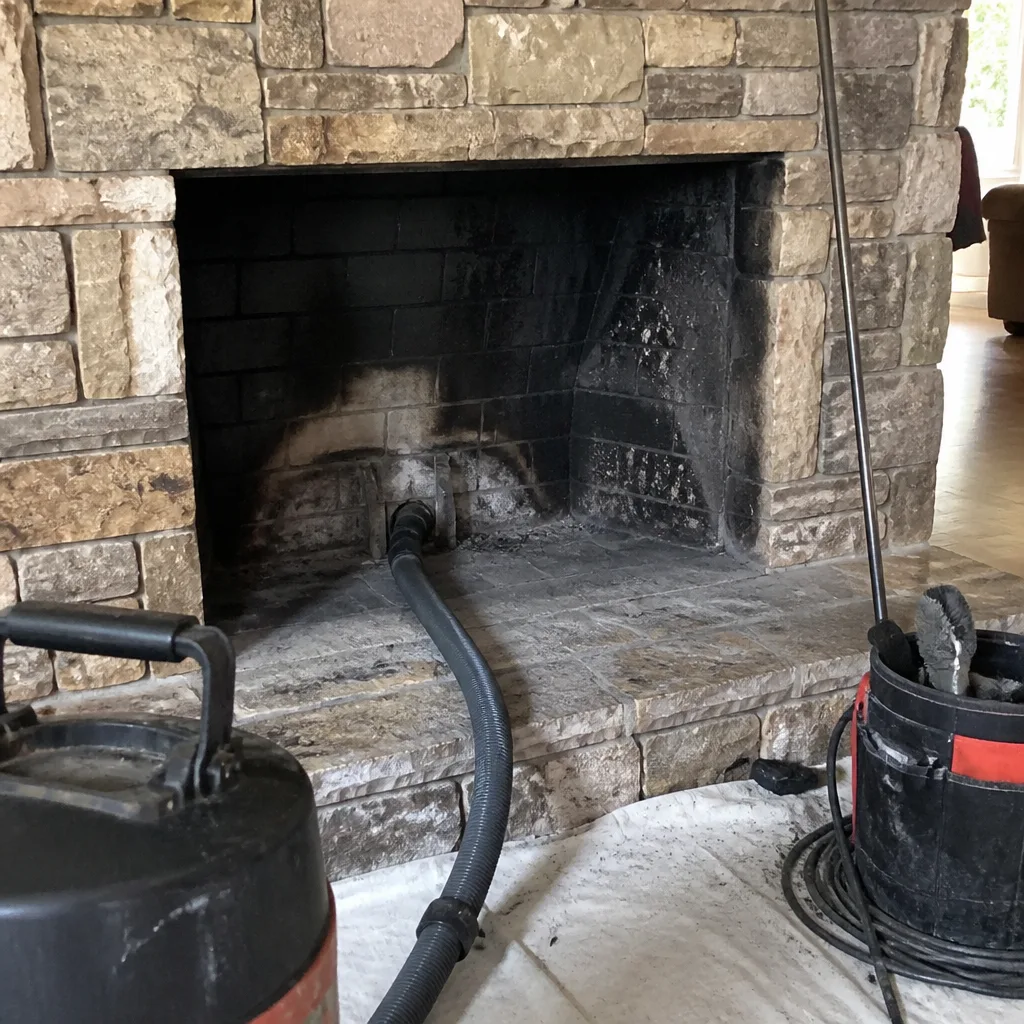 Before
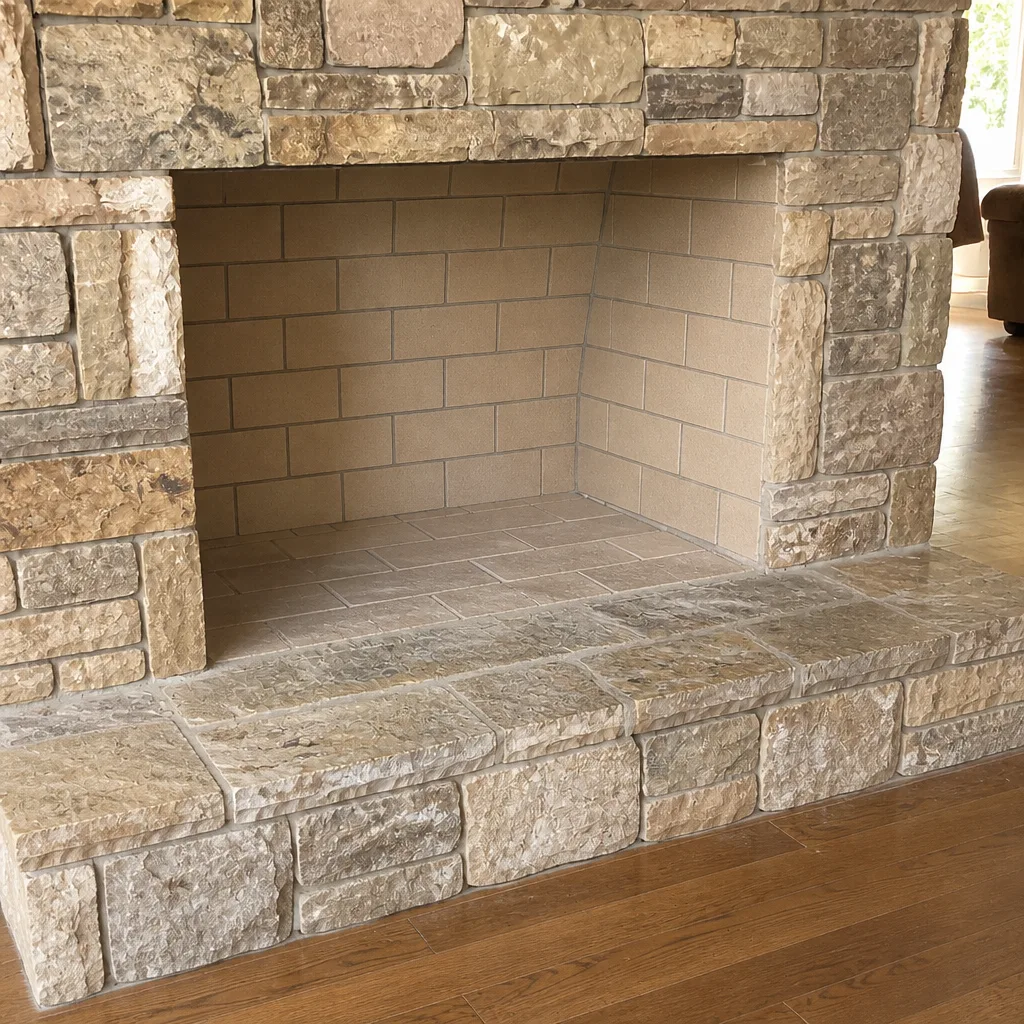 After
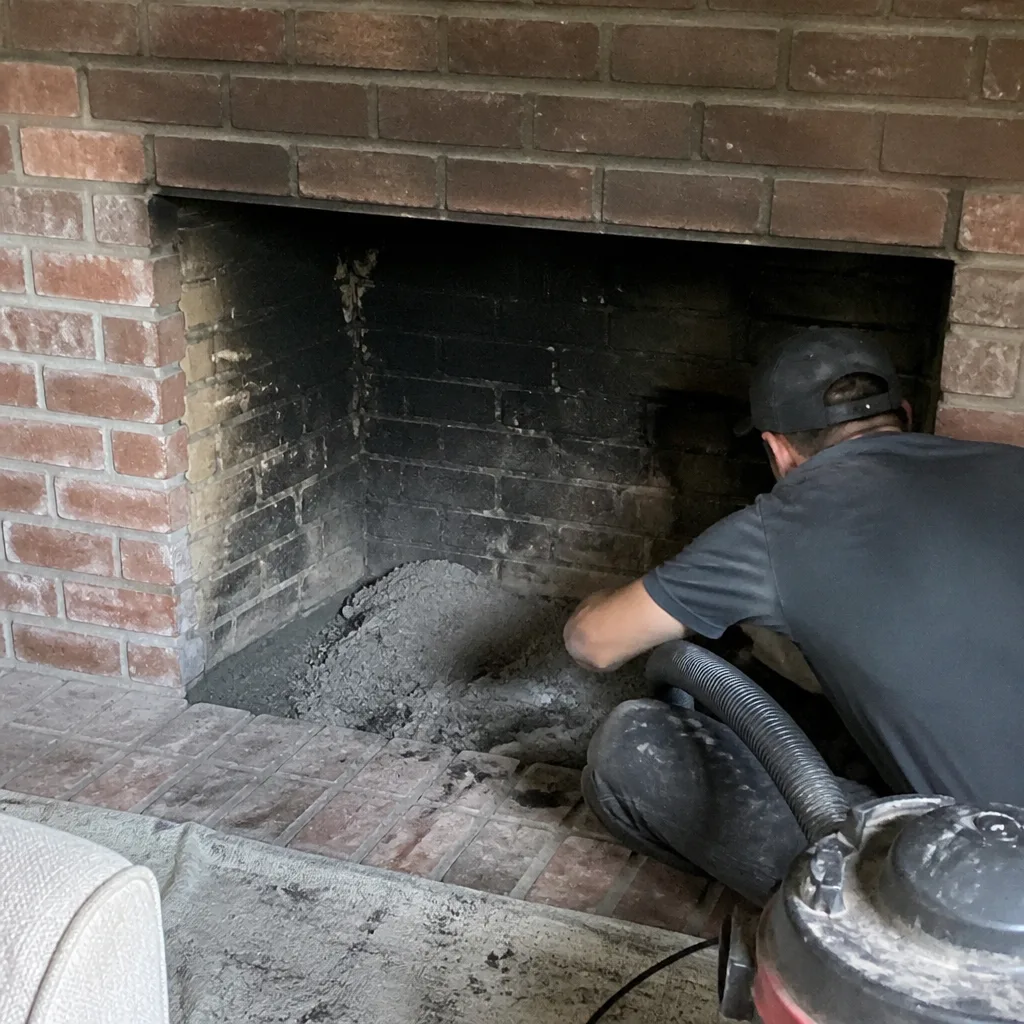 Before
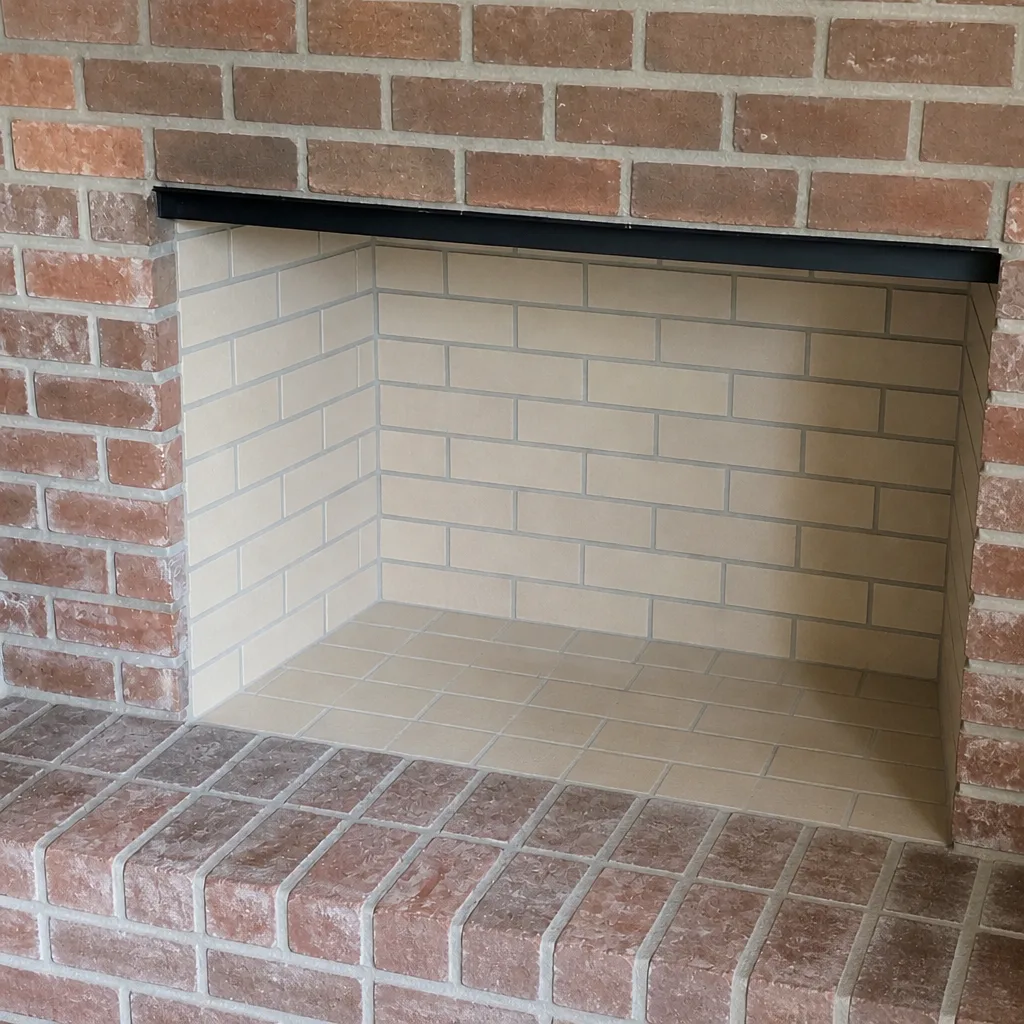 After
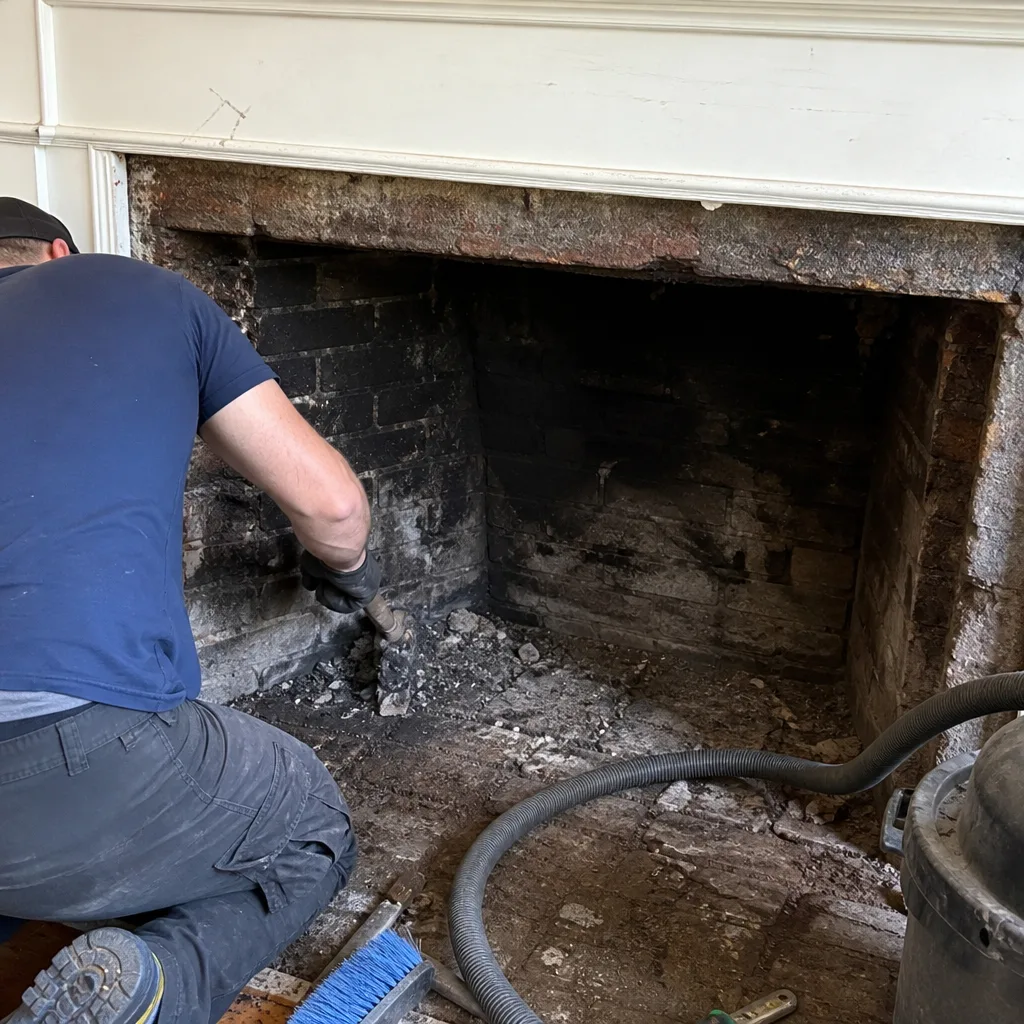 Before
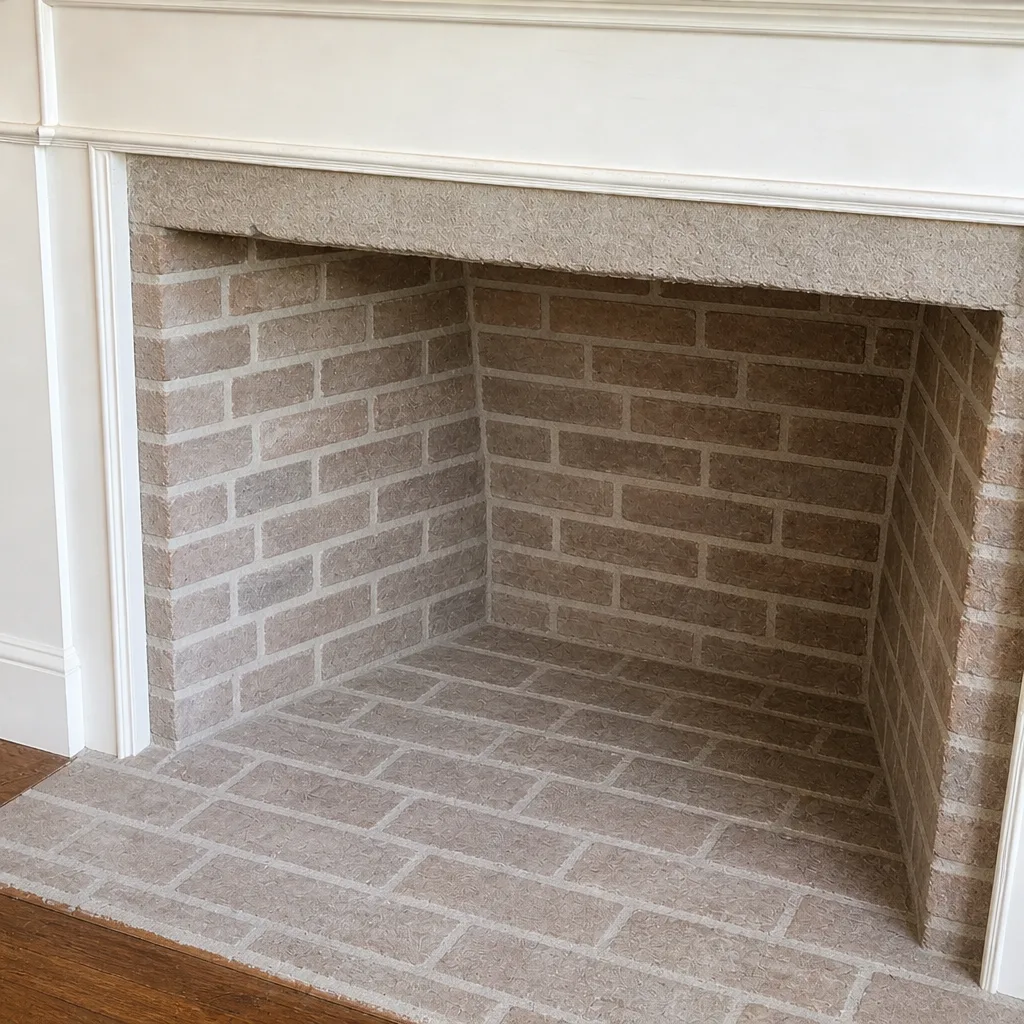 After