
Last updated November 24, 2026
 Sweep & inspection
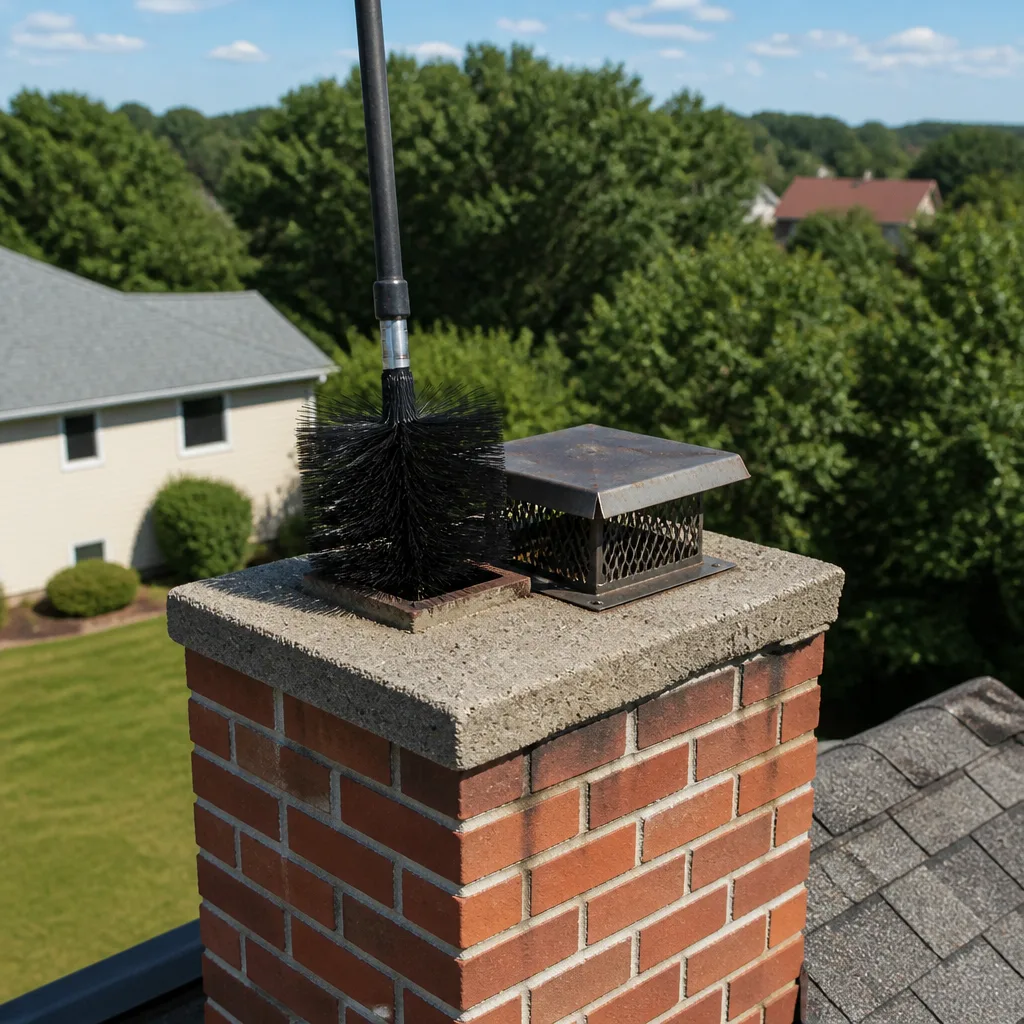
 Caps & crowns
 Flue relining
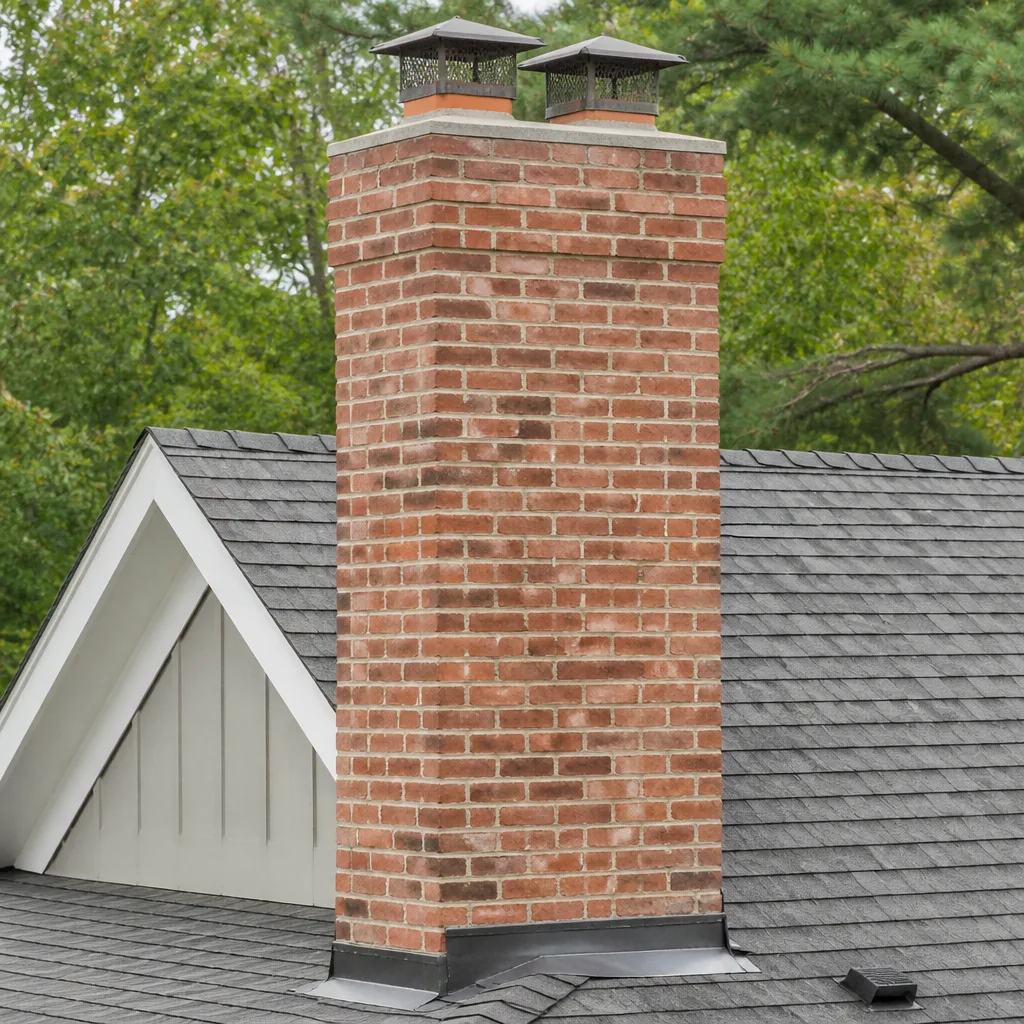 Masonry repair
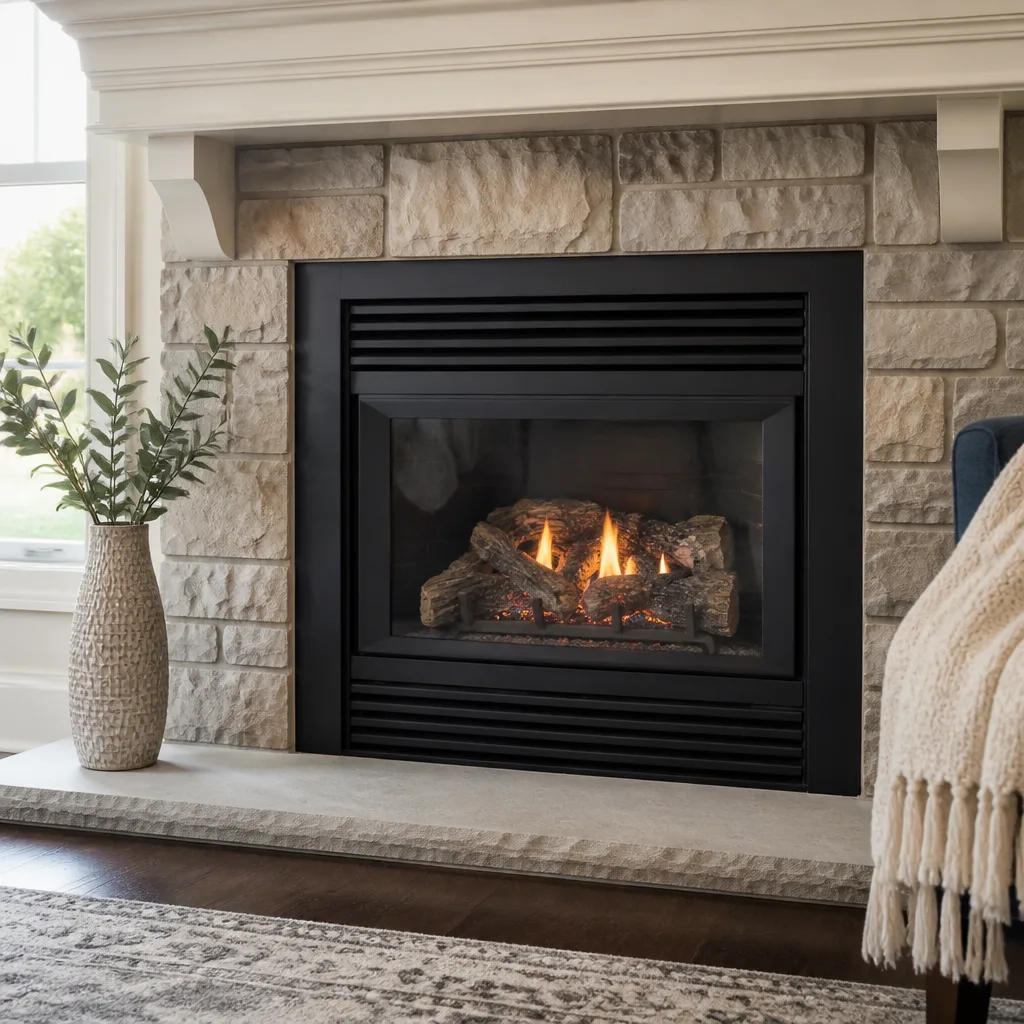 Gas fireplace service
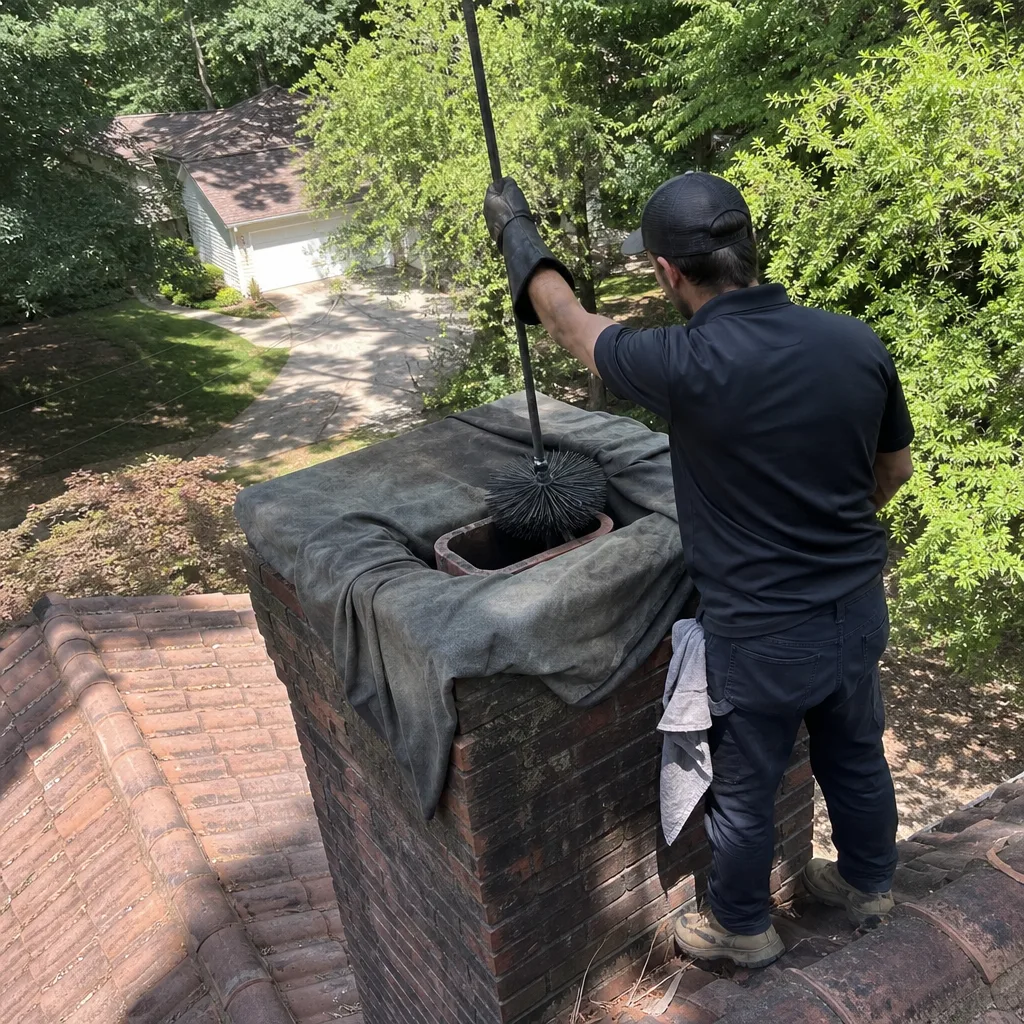
Level 1 sweep and inspection to the NFPA 211 annual standard - flue, crown, cap, and flashing checked and photographed
Chimney sweep logs do not sweep chimneys. They loosen some creosote - which then falls where a brush and vacuum still have to collect it.
Seasonal Chimney Cleaning Care for Midtown: Year-Round Homeowner’s Guide
National guides tell you to clean your chimney in fall. In Midtown’s climate, that timing misses the period when moisture damage is actively setting in – and by October, some of that damage is already done. Summer humidity soaks into masonry, fall leaf litter packs the cap and flue, winter freeze-thaw cycles stress every joint in the stack, and only then does the cold-season advice arrive. By the time most homeowners think about scheduling a sweep, the season of quiet damage has already passed. This guide lays out a year-round calendar for Midtown chimneys: what happens to masonry and flue liners month by month, how your actual burning habits set the cleaning interval, and what a maintenance plan should honestly include.
Quick Answer
In Midtown, chimney care should follow a two-point calendar rather than a single fall cleaning: a pre-season service before heating begins and a post-season assessment in March or April, when moisture, storm debris, and animal intrusion can be caught before warm weather sets in. Cleaning frequency itself depends on how you burn – a wood fireplace used twice a week needs a different schedule than a gas insert run daily. The right materials for the repair, matched to what an inspection actually finds, decide the rest.
Styles & brands we work with
- Sweep & inspection
- Caps & crowns
- Flue relining
- Masonry repair
- Gas fireplace service
Table of Contents
- Why Midtown’s Climate Breaks the National Fall-Cleaning Rule
- Midtown Chimney Care, Month by Month
- Why Post-Season Cleaning in March and April Matters as Much as Pre-Season
- Off-Season Animal Intrusion and What Cap Condition Has to Do With It
- How Often to Clean Based on Your Actual Use Patterns
- What a Proper Sweep and Inspection Involves
- What a Year-Round Maintenance Plan Should Include
- Common Mistakes to Avoid
- When to Call a Professional
- Frequently Asked Questions
Why Midtown’s Climate Breaks the National Fall-Cleaning Rule
Midtown’s weather is warm, humid, and storm-prone through much of the year, and that shapes chimney care in ways a generic national guide never accounts for. Most national advice is written for climates with a short, sharp heating season and dry summers. Midtown gets the opposite: long stretches of humid air, heavy rain events, and a milder winter that never fully dries out masonry the way a hard northern freeze does. The result is that moisture – not creosote alone – becomes the year-round concern for a Midtown chimney.
Humidity is the quiet factor. Brick and mortar are porous. Through the summer, moisture drawn into masonry and mortar joints pulls in and out with the weather, and every cycle leaves the surface a little more vulnerable to spalling, cracked mortar, and a failing crown. A chimney crown with a hairline crack, or a cap that’s missing or loose, lets water in all summer long – long before anyone thinks about a fall sweep.
Then there’s the heating habit itself. In Midtown many homes run a wood fireplace on cool evenings and shoulder-season mornings rather than through a deep freeze. That pattern produces creosote differently than a furnace-heavy northern home, and it means the chimney sees steady low-to-moderate use rather than a single intense season. The takeaway for homeowners: in Midtown, moisture protection and post-season inspection matter as much as the pre-season sweep, and sometimes more.
We document what we find before we recommend anything. That’s why our first step on any Midtown chimney isn’t a brush – it’s an inspection that tells us whether the real job this year is creosote removal, a cap repair, crown sealing, or a flue issue. The right materials for the repair, not whatever’s on the truck, follow from that finding.
Midtown Chimney Care, Month by Month
Here’s how Midtown’s calendar actually treats a chimney across the year. You don’t need to do something every month, but knowing what each season does to your system helps you time the two service visits that matter and catch problems before they compound.
- Late winter (January – February): Peak use for wood-burning homes. Watch for poor draft, smoke spillage, or a stronger-than-usual smell. This is the season creosote accumulates fastest, so heavy users should have the flue checked by end of season.
- Early spring (March – April): The post-season window. Schedule a cleaning and inspection now, while the heating season is closing, to clear winter creosote and catch storm or freeze-thaw damage before summer. This is the visit most homeowners skip.
- Late spring (May – June): Warm, humid air returns. This is when moisture starts working on masonry and mortar. Confirm your cap and crown are intact and sealed before the rainy stretch. A loose or missing cap is an open door for both water and wildlife.
- Summer (July – August): The heaviest humidity and the peak season for animal intrusion. Birds, squirrels, and other critters look for sheltered spots, and an uncapped or damaged flue is exactly that. This is the season a cap pays for itself.
- Early fall (September – October): Storm and leaf-debris season. Leaves and twigs collect on caps and in the flue, and storm winds can loosen caps or crack crowns. Clear debris and confirm the cap is secure before the first fire.
- Late fall (November – December): Pre-season service. Have the chimney swept and inspected before regular burning begins, so the season starts clean and any needed repair is handled while it’s still routine.
Two visits anchor the year in Midtown: a pre-season sweep before heating and a post-season check in spring. Everything between is about keeping water and animals out.
Why Post-Season Cleaning in March and April Matters as Much as Pre-Season
The post-season cleaning is the one most homeowners never schedule, and in Midtown it’s arguably the more important of the two. Here’s the reasoning. By spring, your flue has spent a whole heating season collecting creosote and soot, and your masonry has spent the winter absorbing moisture and weathering freeze-thaw cycles. Waiting until fall to address any of it leaves that creosote and that moisture sitting in the system through the entire humid summer – the exact months when moisture does its worst work.
What gets missed when you wait until fall:
- Creosote sitting all summer. Soot and creosote left in the flue over a humid season can draw moisture and contribute to corrosion of metal components and deterioration of masonry. A spring sweep clears it before the wet months.
- Freeze-thaw damage left unassessed. Winter cycles crack mortar and can spall brick. Caught in spring, these are small repairs. Left through a summer of rain, they widen.
- Storm and debris damage. Fall and winter storms loosen caps and pack debris. A spring inspection catches a tilted cap or a cracked crown before summer rain finds the gap.
- Wildlife settling in. Off-season is exactly when animals move into an unprotected flue, and it happens in the spring and summer quiet.
A sweep is a starting point, not the whole job. The spring visit isn’t only about cleaning – it’s a documented assessment of what the season did, while repairs are still small and moisture hasn’t had months to work.
Off-Season Animal Intrusion and What Cap Condition Has to Do With It
From spring through summer, when the fireplace is quiet, an open or damaged flue looks like prime real estate to local wildlife. In Midtown’s neighborhoods, that means birds (including chimney swifts and starlings), squirrels, and the occasional raccoon or opossum exploring a warm, sheltered vertical space. The damage they cause goes well beyond the nuisance of noise in the flue.
Nesting material – twigs, leaves, grass, insulation – packs the flue and restricts draft. Droppings and debris create odor and, more seriously, an obstruction that can push smoke and carbon monoxide back into the home when you next light a fire. In some cases animals dislodge mortar or knock loose a flue component while moving around. It’s a safety problem waiting for the first cold evening.
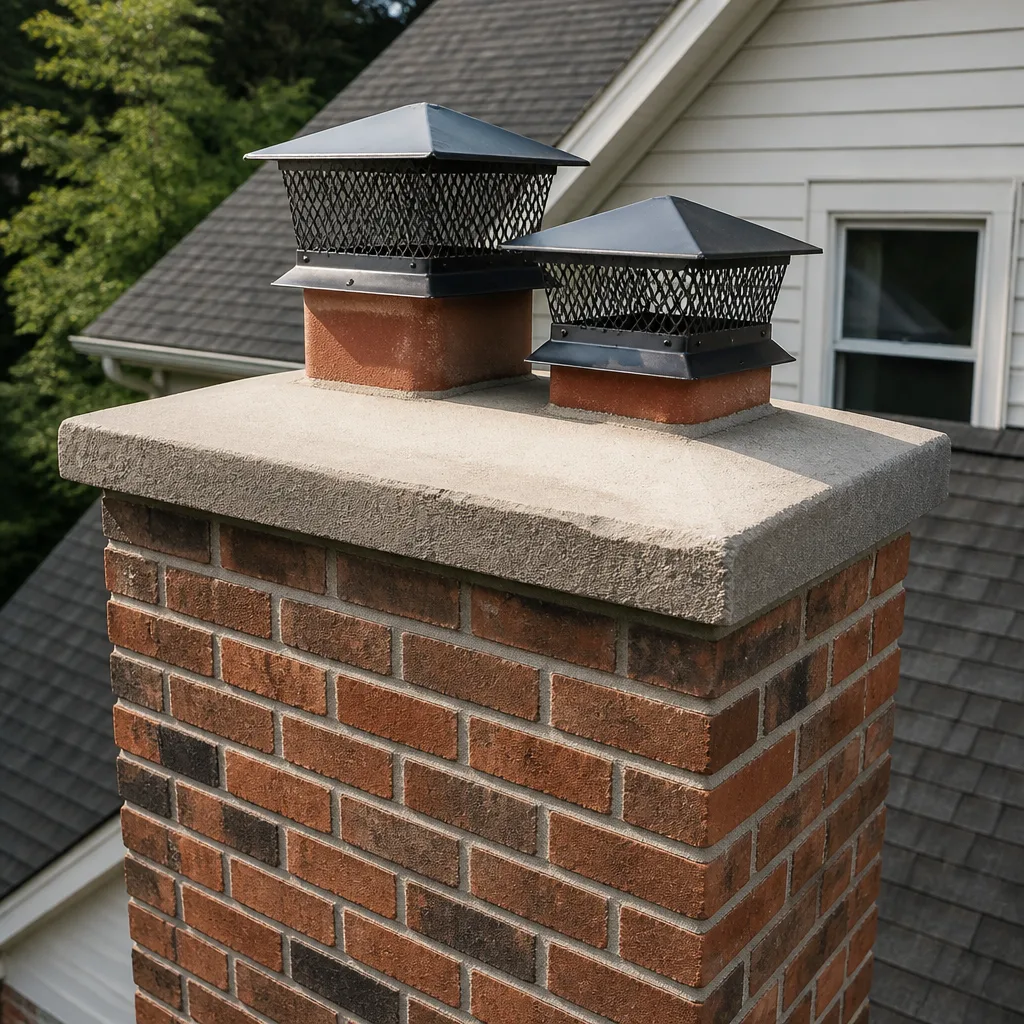
The single most effective defense is a properly fitted, code-compliant chimney cap. A cap keeps rain, leaves, and animals out while letting exhaust escape. The problem is that many Midtown homes either have no cap, a loose cap, or an improvised screen that a determined animal can push aside. Cap condition directly determines whether your flue stays closed to wildlife.
We install purpose-built caps and covers – including Gelco and Famco products – so moisture and animal intrusion are handled with components made for the job, not a makeshift fix. If your cap is missing, bent, or rusted through, the off-season is exactly when it fails.
How Often to Clean Based on Your Actual Use Patterns
There’s no single answer to “how often should a Midtown chimney be cleaned” – it depends on how you burn, what you burn, and what kind of appliance you’re running. A wood-burning fireplace used twice a week needs a different schedule than a gas insert run daily. Here’s how to think about it in practice.
- Wood-burning fireplace, occasional use (a few evenings a week in cool months): Typically one professional sweep per year, timed before the heating season, plus the spring post-season check. This is the most common Midtown pattern.
- Wood-burning fireplace, frequent or heavy use: Consider a mid-season flue check in addition to the pre-season sweep, since creosote builds faster with more burning. If you burn a lot of unseasoned or resinous wood, factor in more frequent inspection.
- Gas insert or gas log set, used daily: Gas produces far less creosote, but it still warrants an annual inspection and cleaning to check for debris, animals, and proper venting. Venting problems on a gas appliance are a carbon monoxide concern, not a cosmetic one.
- Wood stove or insert with a dedicated liner: Clean and inspect based on flue size, fuel, and burn rate; heavy users should check more than once. The liner condition matters as much as the creosote load.
- Any chimney after a change in habits: Moved into a new Midtown home, changed fuel, or started burning more? Get a baseline inspection and match the schedule to what you actually do.
If you’re unsure, an inspection settles it. We document what we find, including creosote level and any obstruction, before recommending a schedule.
What a Proper Sweep and Inspection Involves
A good Midtown sweep is more than running a brush up the flue and leaving. It’s a service that touches the whole system from the firebox to the cap. Here’s what a proper visit looks like, and what to expect when we arrive.
- Inspection first. Before cleaning, we inspect the firebox, damper, smoke chamber, flue, and the cap and crown at the top. This tells us the condition of the system and where the work actually needs to go.
- Containment. We set up to keep soot and dust out of your living space during the sweep – a clean job matters in a home you live in.
- Sweeping the flue. Creosote and soot are removed from the flue with the appropriate tools for the flue type. The firebox and smoke shelf get attention too, since that’s where debris collects.
- Top-side check. The cap and crown are checked for damage, blockages, and animal activity. A loose or missing cap gets flagged with a specific recommendation.
- Documented findings. We tell you what we found and what, if anything, needs repair. Repairs are grounded in what the inspection showed, not a sales pitch.
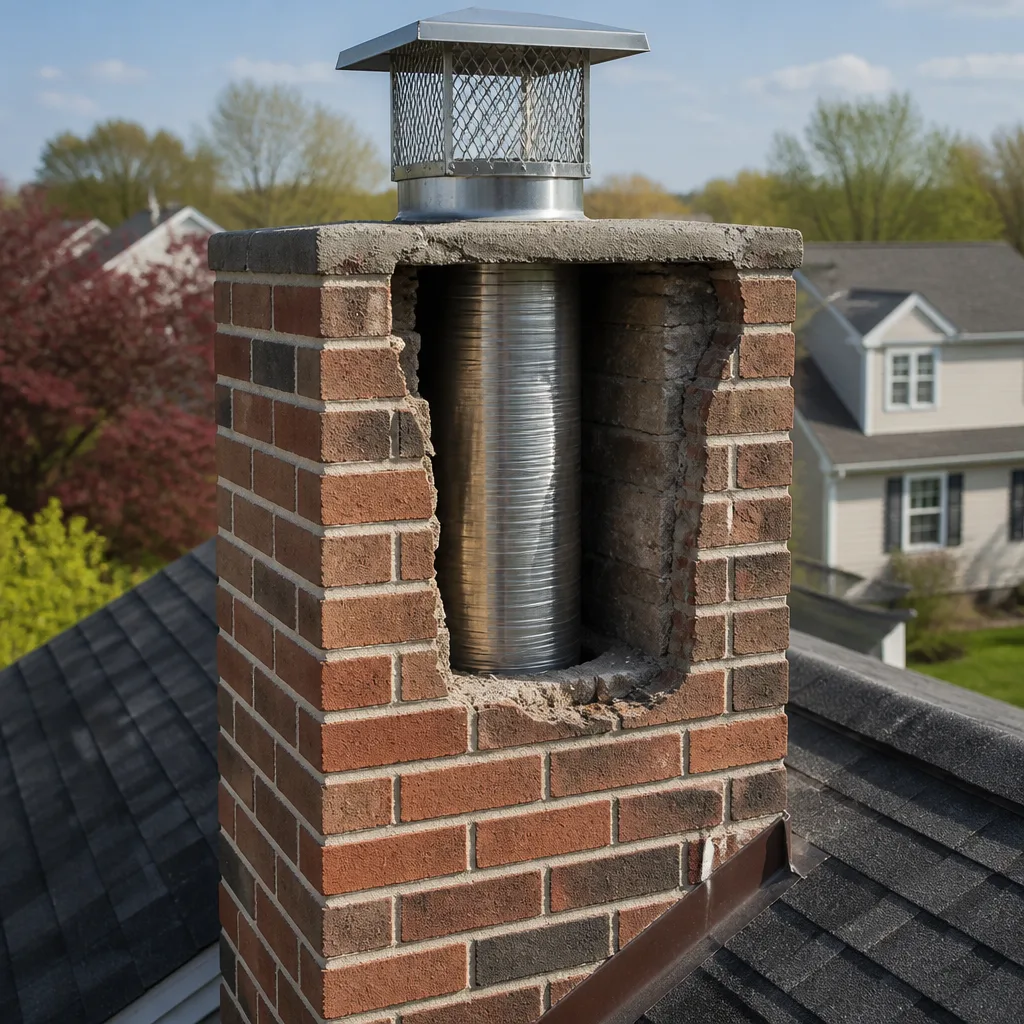
When the flue clay is damaged but the chimney doesn’t need a full reline, a Chimney Sweep Midtown visit may include an assessment for HeatShield ceramic resurfacing – a restoration option most local sweep-only outfits can’t perform and would have to subcontract or decline. When a full reline is needed, we work with DuraFlex flexible liner systems, which suit the tight and irregular flue geometries common in older Midtown housing.
The full sequence in our experience is: inspect, sweep, document, then recommend. Not the other way around.
What a Year-Round Maintenance Plan Should Include
A year-round maintenance plan is worth having, but only if it covers the right things. The question we hear most is whether a maintenance contract is worth it – and the honest answer depends on what’s in it. Here’s what a plan should include versus what’s genuinely optional for a Midtown homeowner with standard usage.
What a solid plan should include:
- A pre-season sweep and inspection each year before heating begins, so the season starts clean and documented.
- A post-season assessment in spring, catching moisture, storm, and animal issues before the humid months – the part most generic plans leave out and the part Midtown most needs.
- Cap and crown checks at every visit, since those are the front line against both water and wildlife.
- Clear documentation of findings, so you know the condition of the flue and masonry each year and can track changes.
- Priority for needed repairs, grounded in inspection findings – sweep, cap and crown, fireplace repair, and chimney repair handled by the same people who inspected.
What’s often optional: extra mid-season sweeps for light users, cosmetic work on the firebox surround, and non-essential upgrades. A plan shouldn’t pad itself with services you don’t need; a light-use gas insert doesn’t require the same cadence as a heavily used wood fireplace.
We keep the plan simple and matched to how you actually burn, and we’re a single source for the full chimney lifecycle – inspection, sweep, chimney cap & crown work, fireplace repair, and chimney repair – so there are no referral handoffs when a repair needs doing.
See the difference
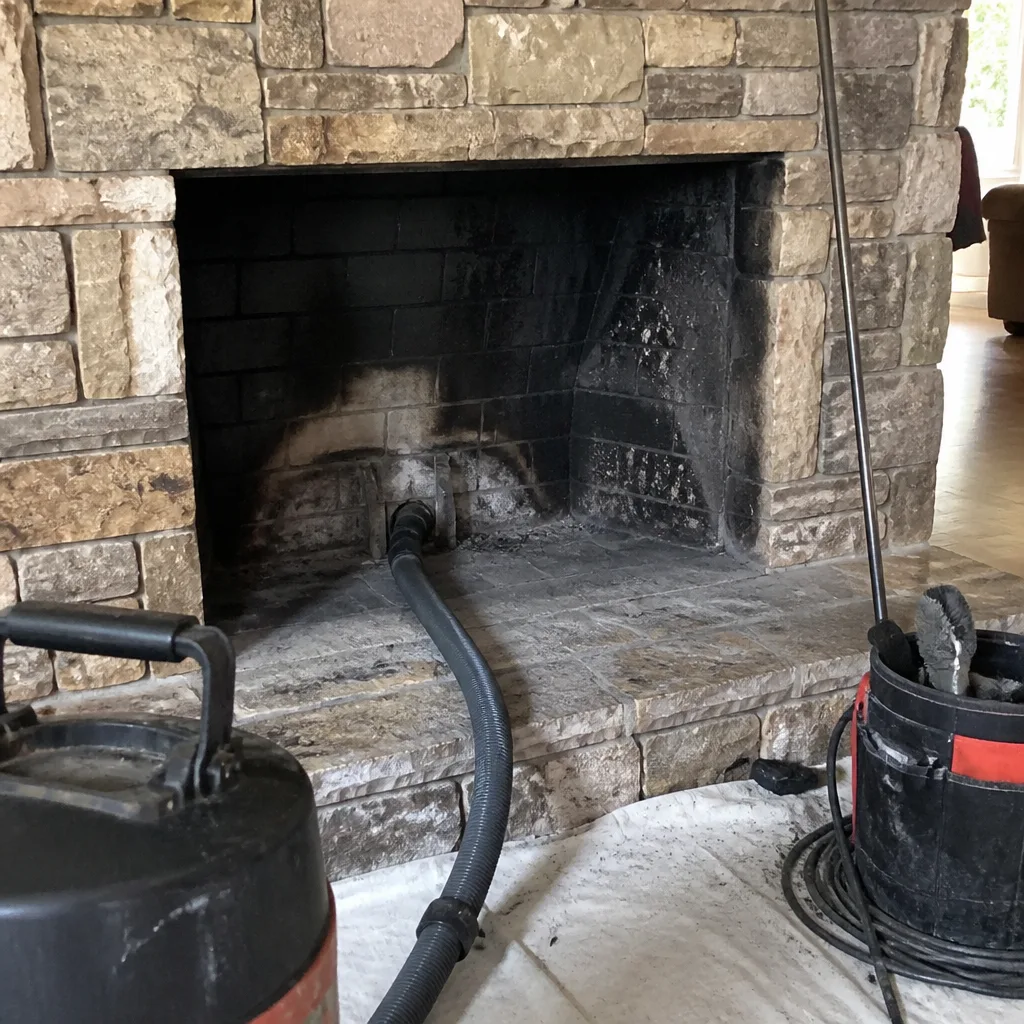 Before
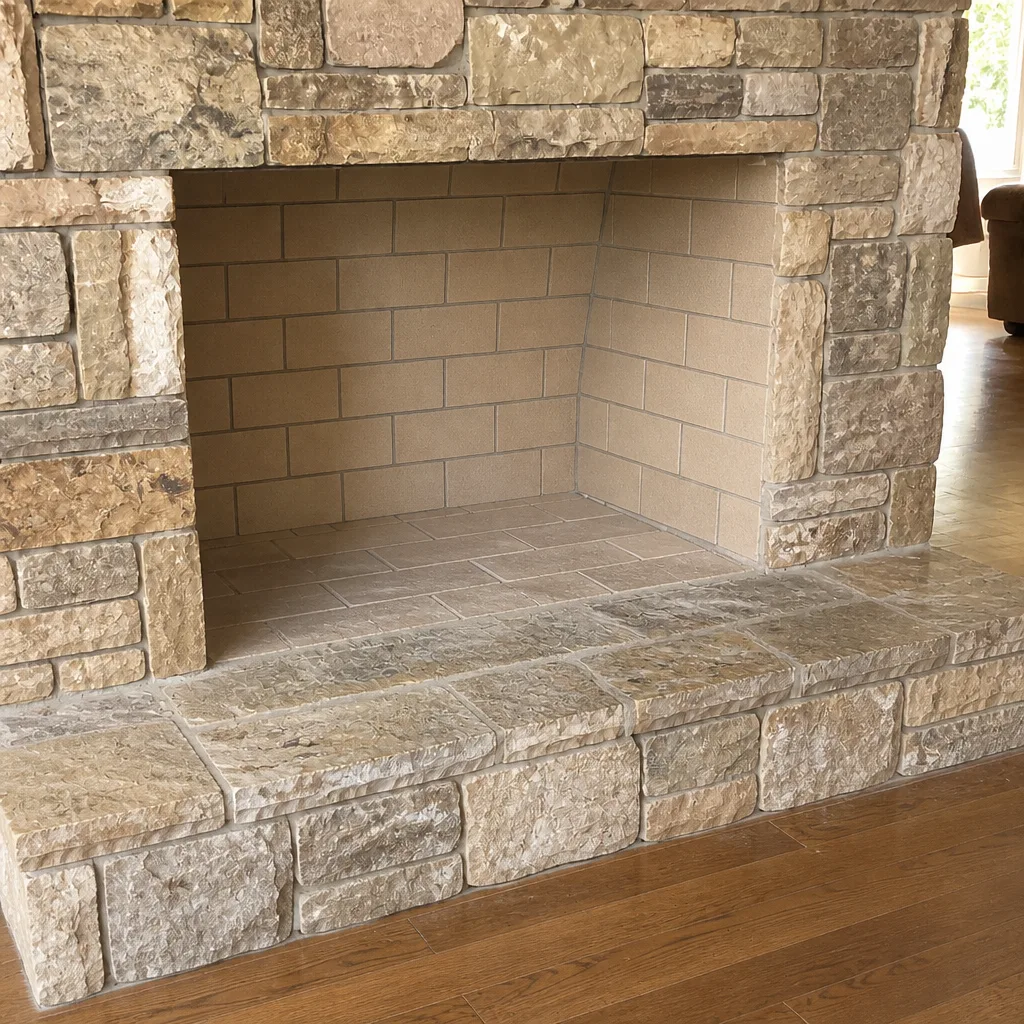 After
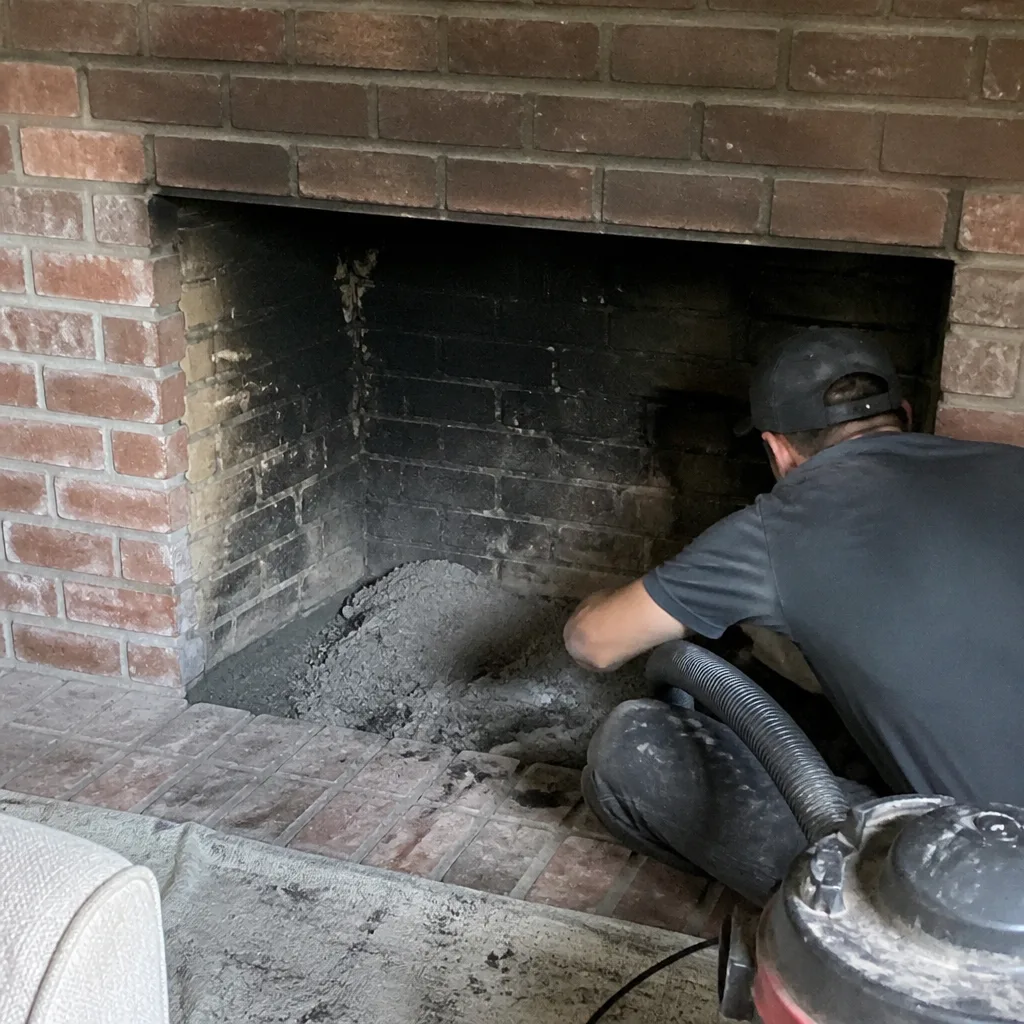 Before
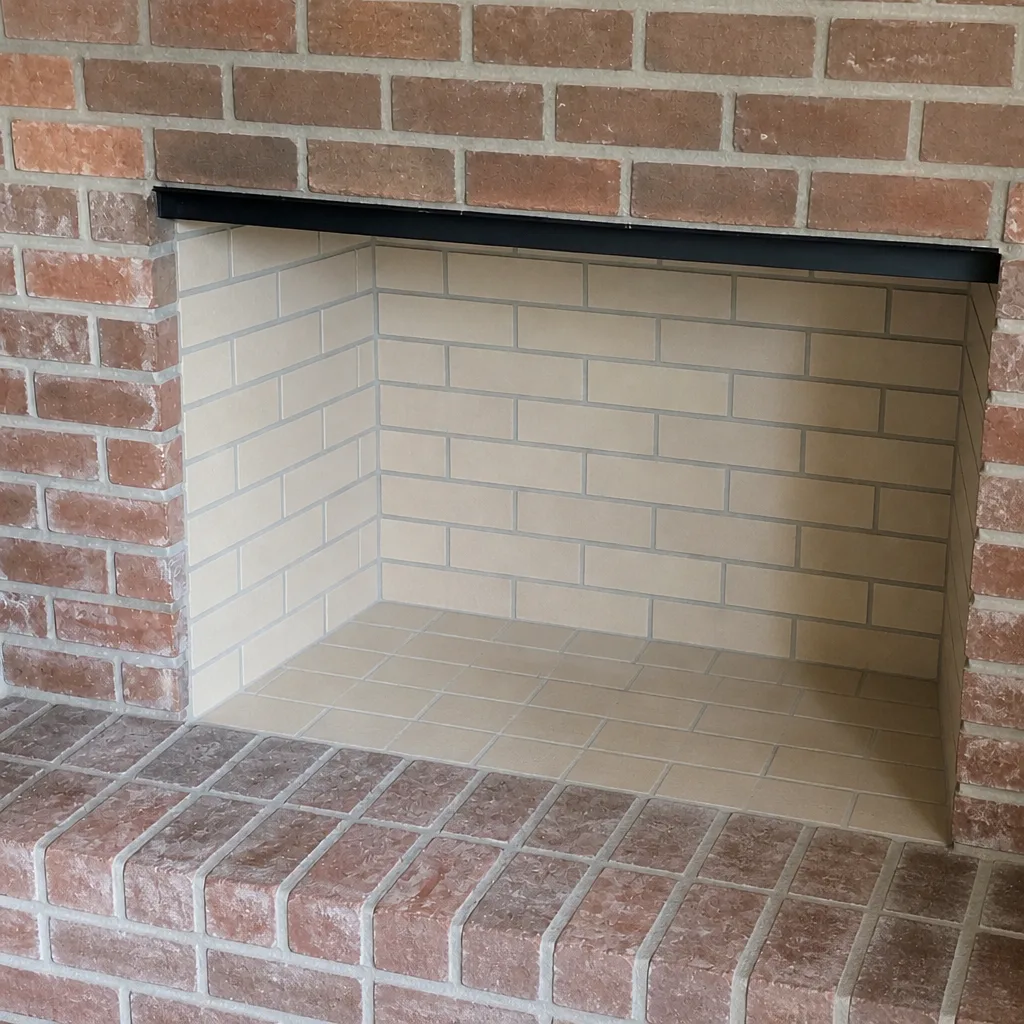 After
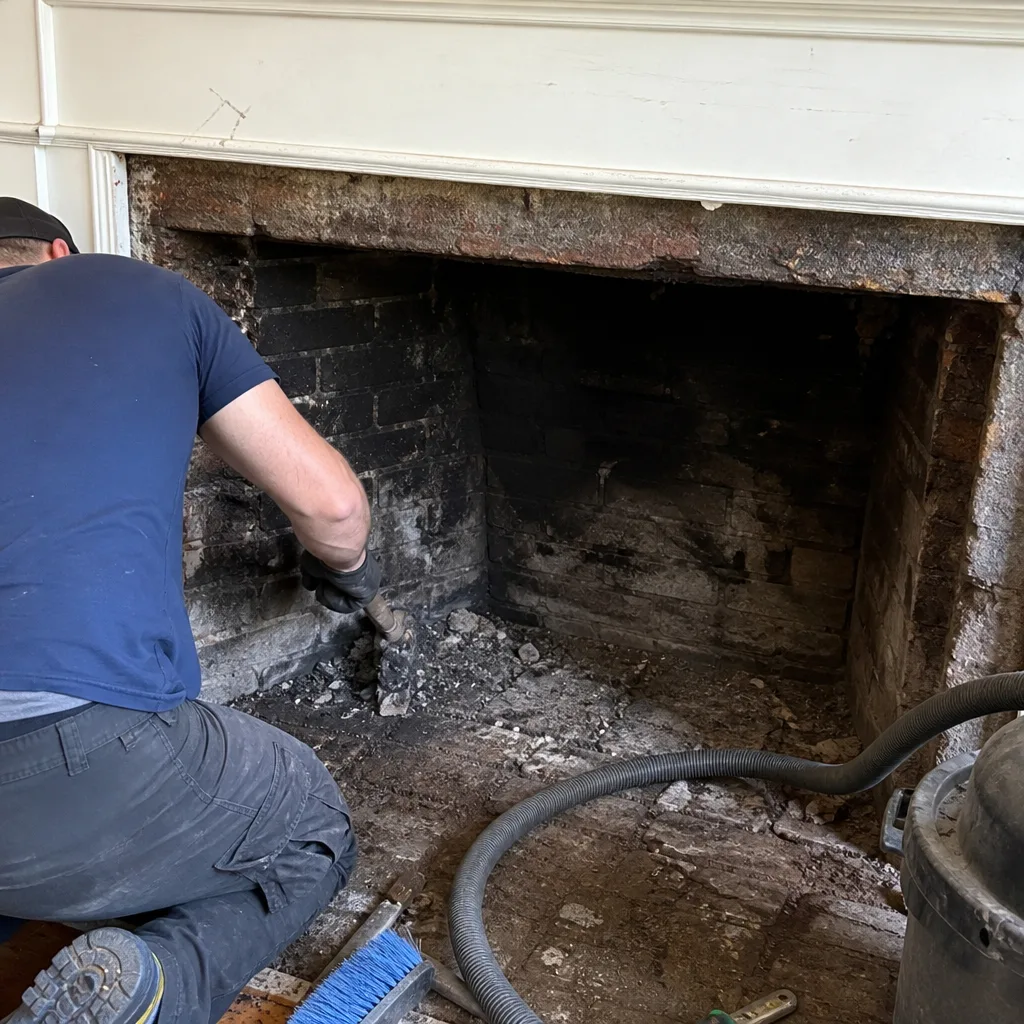 Before
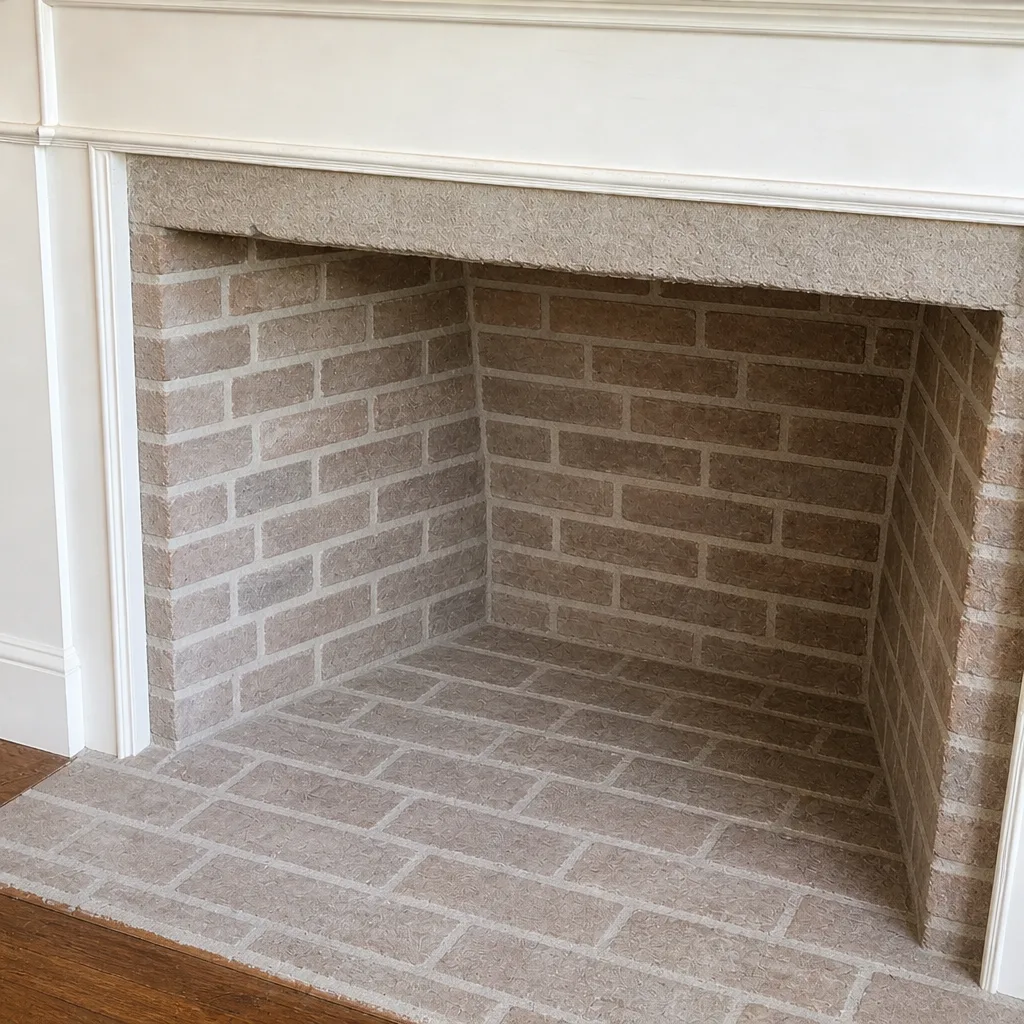 After
Common Mistakes to Avoid
- Cleaning only in fall. In Midtown, waiting until October means moisture and creosote have sat through the humid summer. Add a spring assessment so the off-season doesn’t do hidden damage.
- Treating a missing cap as no big deal. An open flue invites rain and animals year-round. It’s one of the most common and most preventable causes of chimney trouble in Midtown.
- Assuming a gas insert needs no service. Gas produces little creosote, but venting problems are a carbon monoxide concern. Annual inspection still matters.
- Burning unseasoned or resinous wood to “get it going faster.” It builds creosote faster and can leave more to clean. Seasoned wood burns cleaner and is easier on the flue.
- Ignoring a damaged crown. A cracked crown lets water into the masonry core all summer. Small crown repairs caught early are easier than structural work later.
- Hiring a sweep with no inspection step. If someone brushes and leaves without documenting condition, you don’t know the state of your system. The inspection is what grounds the recommendation.
- Putting off chimney repair “until it’s a real problem.” In Midtown’s humidity, a small mortar or crown issue tends to become a bigger one. Catching it at the spring visit while it’s small is the whole point.
When to Call a Professional
Some chimney issues are a schedule question, and some are a call-now question. Reach out to a professional if you notice poor draft or smoke spilling into the room, a strong creosote or animal smell during warm months, visible cracks in the crown or masonry, a missing or loose cap, or creosote buildup that’s been sitting more than a season. Also call if it’s simply been a while – your annual pre-season sweep is due, or you’ve never had a baseline inspection on a Midtown home you’ve moved into. A technician with real experience knows the difference between cosmetic and structural, and the inspection is what tells you which is which. Chimney Sweep Midtown offers free estimates in Midtown – call (877) 820-8520. Every job starts with an inspection, and we document what we find before we recommend anything, so you’re never guessing whether you actually need the work. From firebox to cap, the system gets looked at as a whole. Our technicians have up to 14 years of experience.
Frequently Asked Questions
Once a year is the baseline for most Midtown wood-burning fireplaces, timed before the heating season, plus a spring assessment after. If you burn frequently or heavily, or run a wood stove or insert, you may want a mid-season flue check in addition. Gas inserts used daily still warrant an annual inspection for venting. An inspection settles the right schedule for your actual use – call (877) 820-8520 for a free estimate.
Because Midtown’s humidity and long warm season let moisture work on masonry and creosote through the summer, not just the winter. A single fall cleaning leaves creosote and moisture sitting through the most damaging months. The two-point calendar – pre-season sweep and post-season check – closes the gap that national fall-cleaning advice ignores.
Yes – a cap is the front line against both rain and animals year-round. An open flue draws water into the masonry and gives birds, squirrels, and raccoons a sheltered home. If your cap is missing or damaged, replacing it with a fitted Gelco or Famco cap is a modest repair that prevents much larger problems. Call (877) 820-8520 for an assessment and free estimate.
Birds such as chimney swifts and starlings, squirrels, and sometimes raccoons or opossums. They nest in the flue and pack it with twigs and debris, which restricts draft and can cause smoke or carbon monoxide to back up into the home. A properly fitted cap keeps them out – confirm your cap is intact before the warm season. Call (877) 820-8520 for free estimates on cap installation and repair.
It can be, if the plan includes the pre-season sweep, the spring post-season assessment, cap and crown checks, and clear documentation. What you don’t need is padding for light usage – a gas insert or occasional wood fireplace doesn’t require the same cadence as heavy burning. Match the plan to how you actually burn, and skip the extras you don’t need. Call (877) 820-8520 to talk through the right fit.
Creosote keeps accumulating, draft gets worse, and the risk of a chimney fire rises – and in Midtown’s humidity, moisture keeps working on masonry and mortar through the warm months. Small crown and mortar problems widen instead of getting caught early. A spring or pre-season visit is far easier than the repair a skipped season can create. Call (877) 820-8520 for a free estimate.
The Bottom Line
Midtown’s climate doesn’t follow the national fall-cleaning script, so a one-visit-a-year chimney calendar leaves gaps. The core points: time a pre-season sweep before heating and a post-season assessment in spring, so creosote and moisture don’t sit through the humid months; keep a proper cap and crown on the flue to keep rain and animals out year-round; adjust cleaning frequency to how you actually burn, from a twice-a-week wood fireplace to a daily gas insert; and build a maintenance plan around the services that matter, without padding. Every job starts with an inspection, and repairs follow documented findings. For a two-point chimney calendar tailored to your Midtown home, call (877) 820-8520 for a free estimate. We answer 24/7. Fast dispatch from 7am to 7pm, Sunday through Friday. Explore our chimney sweep service to schedule your next visit.
Written by the team at Chimney Sweep Midtown.