
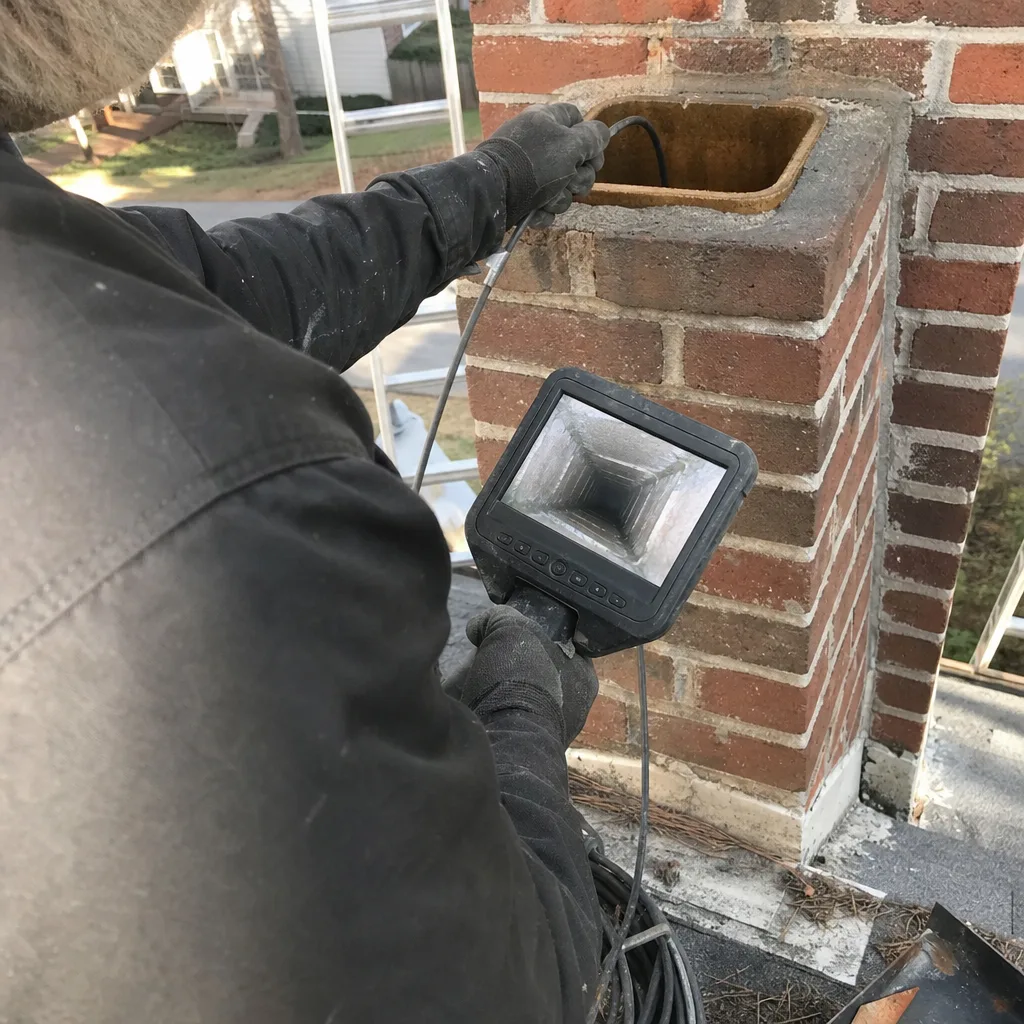
Last updated November 24, 2026
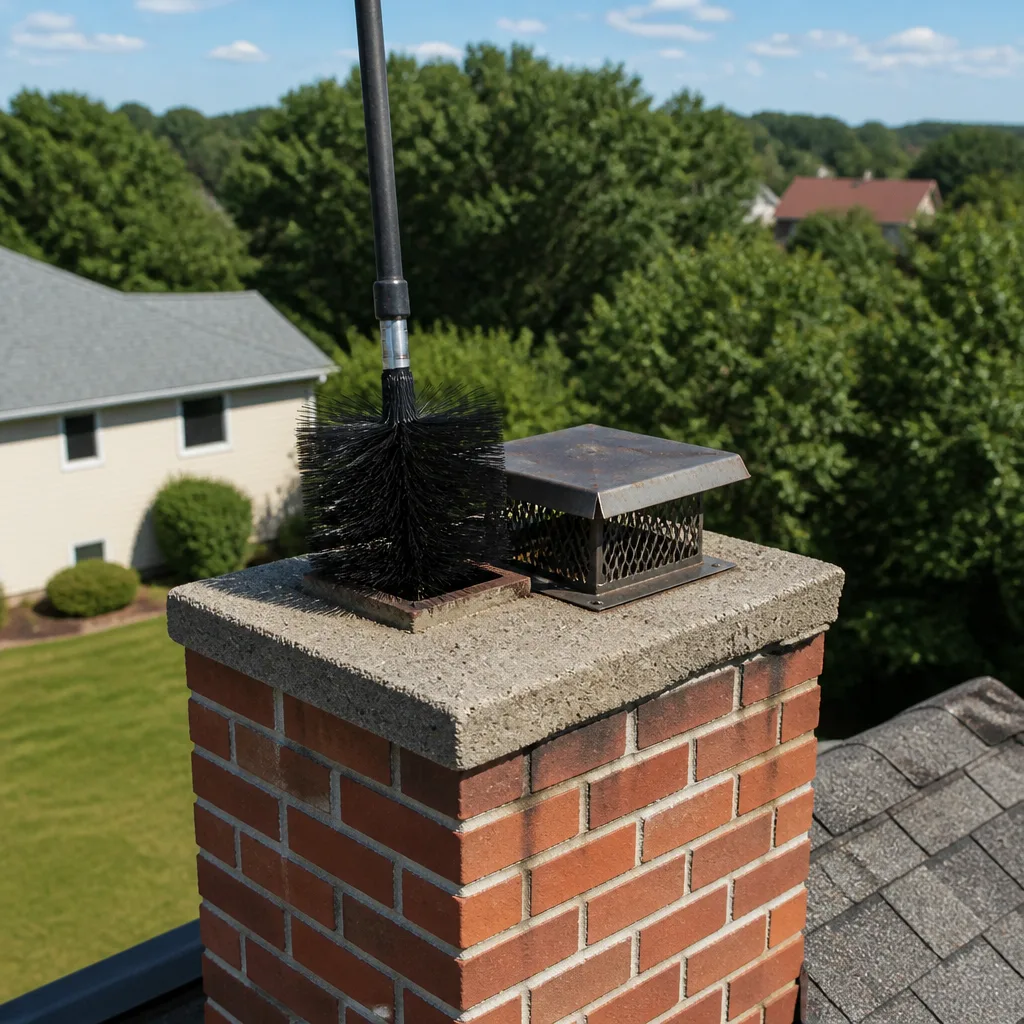 Sweep & inspection
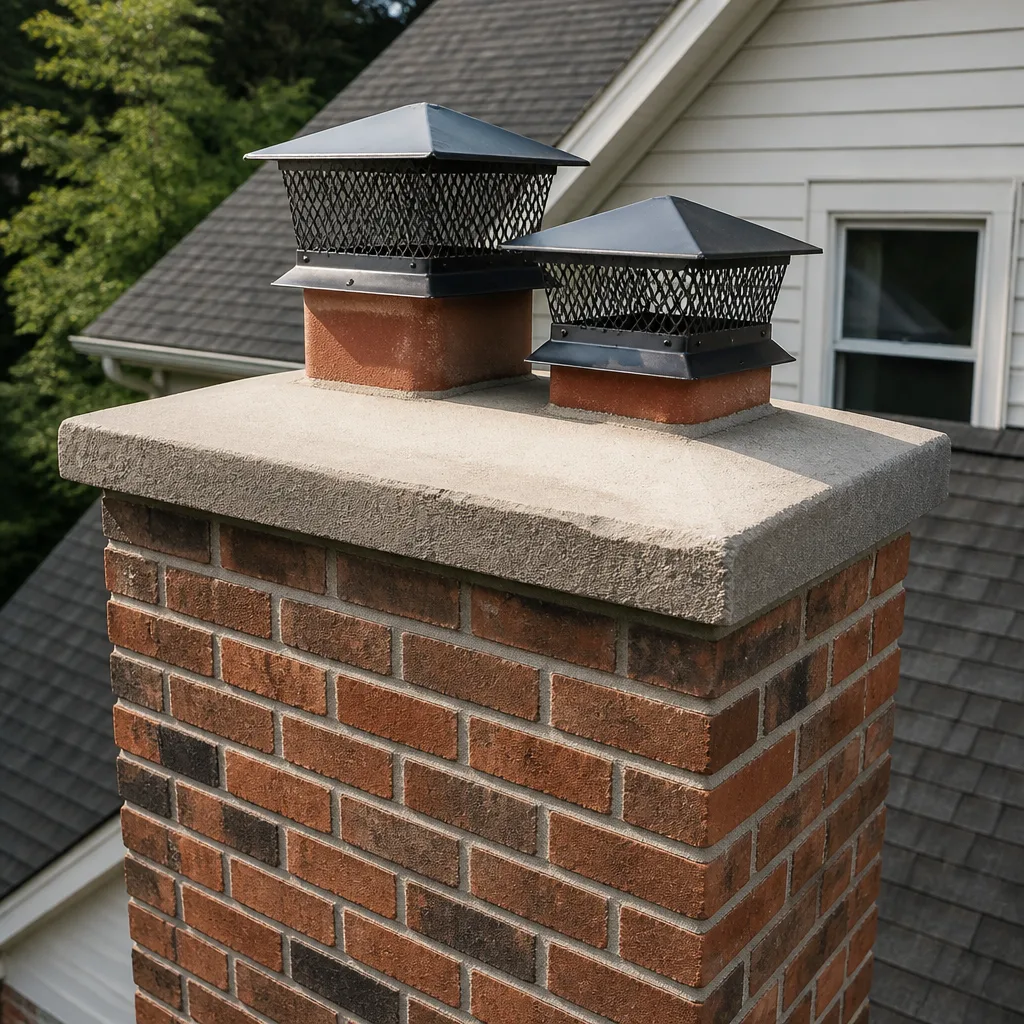 Caps & crowns
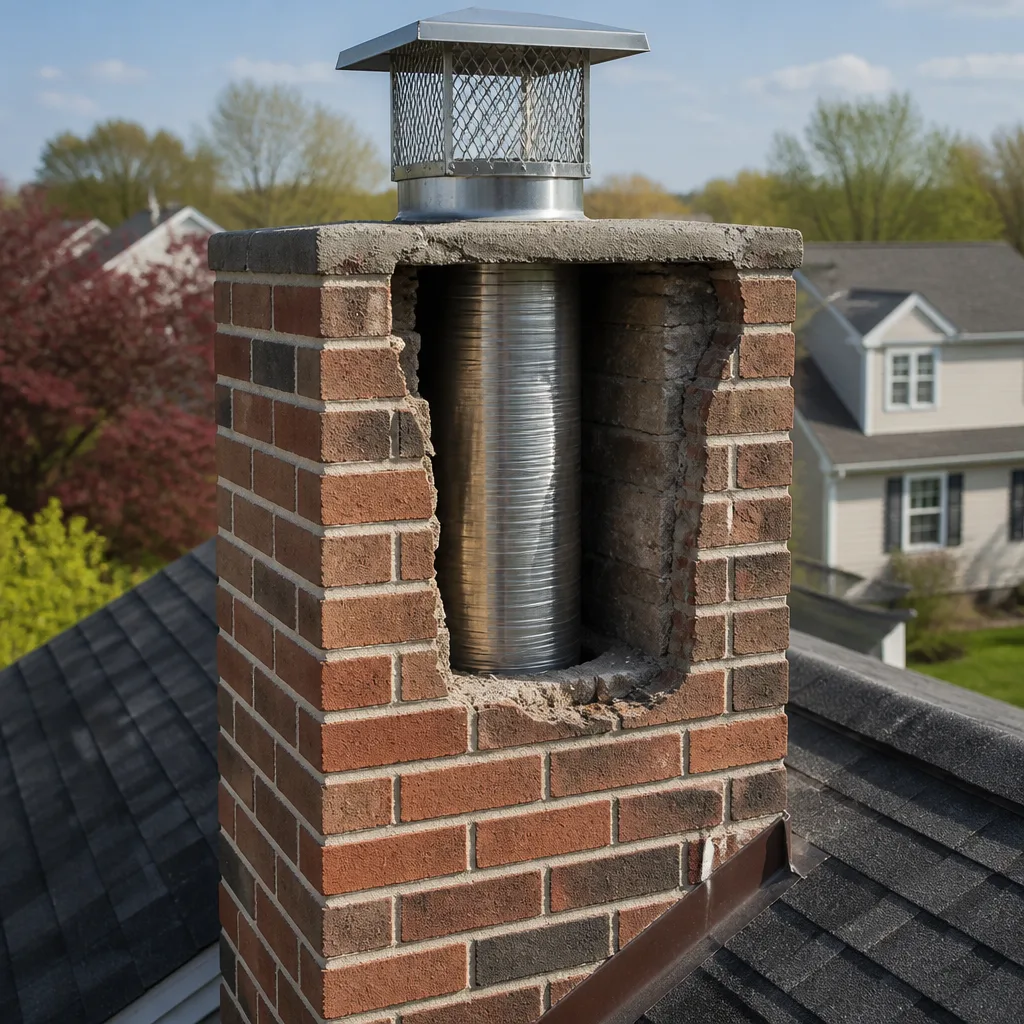 Flue relining
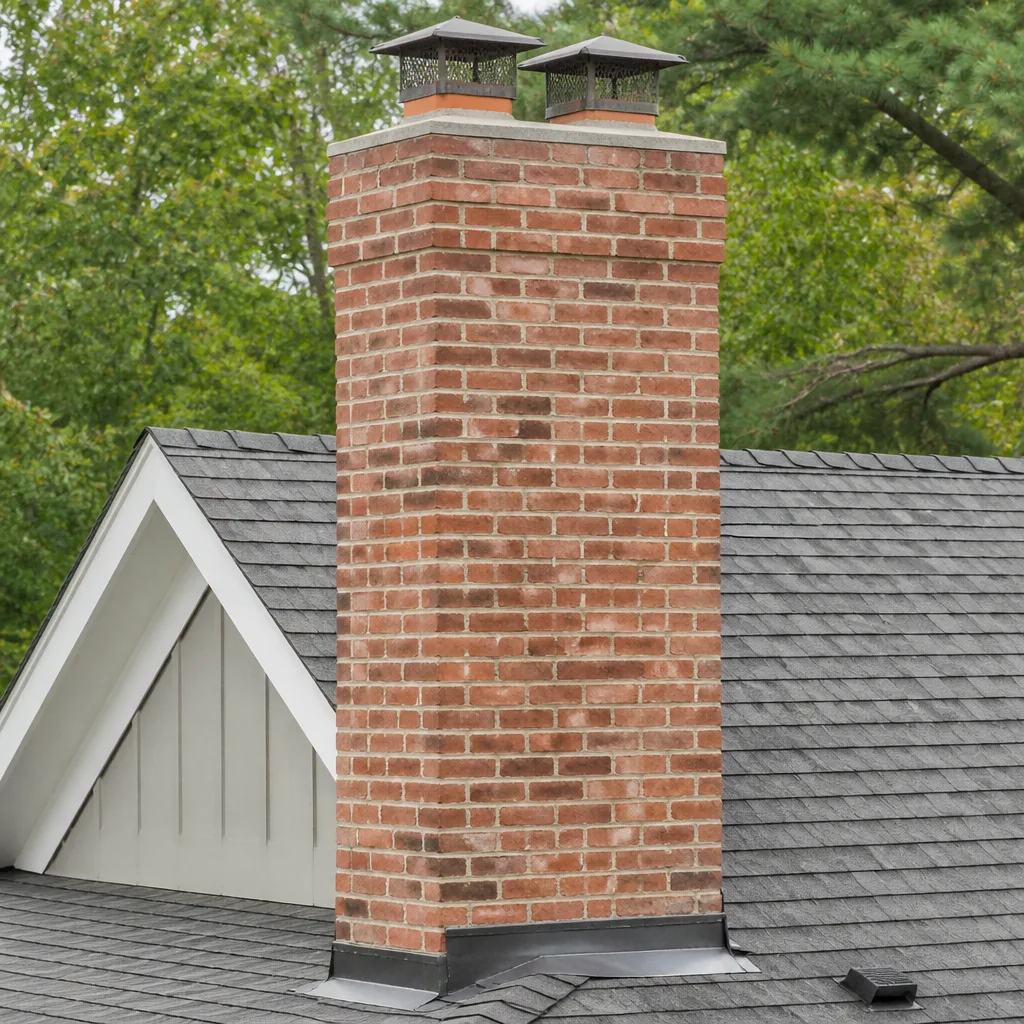 Masonry repair
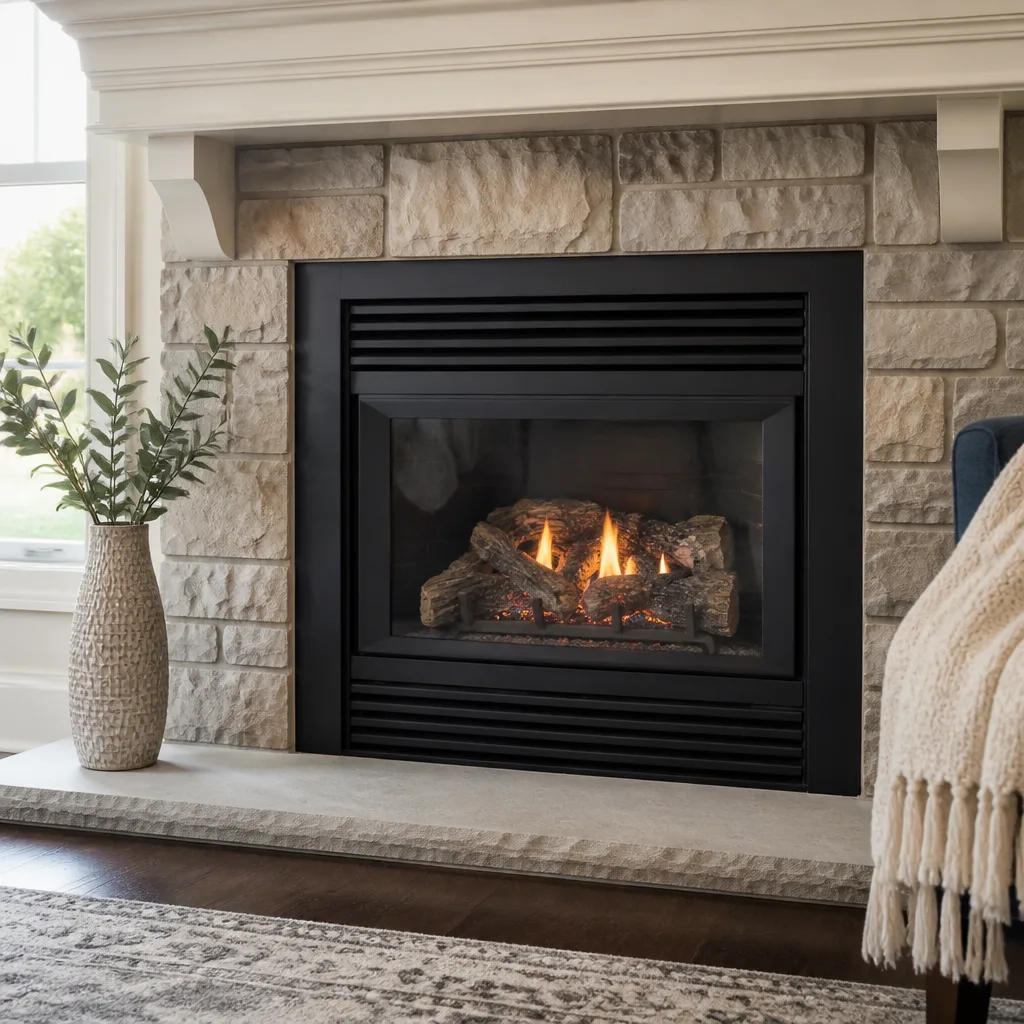 Gas fireplace service
Level 1 sweep and inspection to the NFPA 211 annual standard - flue, crown, cap, and flashing checked and photographed
Chimney sweep logs do not sweep chimneys. They loosen some creosote - which then falls where a brush and vacuum still have to collect it.
Chimney Cleaning Permits, Codes & Inspections in Midtown, GA: What You Need to Know
A chimney cleaning rarely needs a permit. The repairs it uncovers often do. That’s the part most Midtown homeowners don’t see coming: the sweep arrives, finds a cracked flue tile or a rusted-out cap, and suddenly there’s a structural project on the table. In Georgia, unpermitted chimney work can complicate a real estate closing and give an insurer grounds to push back on a claim. This guide walks through what Georgia’s adopted building codes actually say, where cleaning ends and permitting begins, how a Level 2 inspection differs from the look-over that comes with a sweep, and what to ask before anyone starts work on your chimney in Midtown.
Quick Answer
In Midtown, GA, routine chimney cleaning and maintenance generally do not require a permit, but structural repairs such as liner replacement, firebox reconstruction, or a new cap and crown can trigger permit requirements under the building codes Georgia has adopted. A Level 2 inspection is a separate, more detailed evaluation than the check that comes with a standard cleaning, and insurers or buyers may ask for one. Before work begins, confirm in writing who is responsible for pulling any required permit.
Styles & brands we work with
- Sweep & inspection
- Caps & crowns
- Flue relining
- Masonry repair
- Gas fireplace service
Table of Contents
- What Do Georgia’s Adopted Building Codes Say About Chimneys?
- Cleaning vs. Structural Repair: Where Permits Begin
- Fulton and DeKalb Permitting for Midtown Addresses
- How Unpermitted Chimney Work Affects Insurance Claims
- What Is a Level 2 Inspection, and When Is It Required?
- What to Ask Before Work Begins
- When to Call a Professional
- Frequently Asked Questions
What Do Georgia’s Adopted Building Codes Say About Chimneys?
Georgia adopts model building codes, and those codes treat the chimney as part of the structure, not an accessory. The International Residential Code (IRC) sets standards for chimney construction, clearances, flue sizing, and lining, while the International Fire Code (IFC) covers the safety side: how a chimney must be maintained, what condition is acceptable, and when a system must be taken out of service. Local jurisdictions enforce those adopted codes through their permitting and inspection processes.
What this means in practice is that the code doesn’t draw a hard line between “cleaning” and “repair.” It draws the line at alteration. If you’re removing soot and creosote, that’s maintenance. If you’re altering the flue, replacing a liner, rebuilding the firebox, or changing the cap structure, you’ve moved into work the code treats as construction, and construction is where permits and inspections enter the picture.
Midtown’s housing stock makes this matter more than it might in a newer suburb. The neighborhood has a deep mix of older homes and converted buildings, and flue geometries in these structures are rarely straightforward. A flue that was originally built for a coal or early wood system may have been adapted over the years, and the code standards that apply to the current configuration are not always the ones the original builder worked under. That’s one reason a proper inspection before any repair decision matters here.
We work with an industry-recognized material stack on these jobs – DuraFlex flexible liner systems, HeatShield ceramic flue restoration, and caps and covers from Gelco and Famco – because code-compliant repairs require components rated for the application, not whatever happens to be available. The right materials for the repair matter more than speed.
Cleaning vs. Structural Repair: Where Permits Begin
Here’s the practical distinction that trips up homeowners: a chimney sweep is maintenance, and maintenance doesn’t need a permit. Repairs to the chimney structure typically do. The trick is that a cleaning is often what reveals the repair, which is why the two get tangled in people’s minds.
Think of it in tiers:
Maintenance – no permit:
- Routine sweeping to remove soot and creosote
- Visual inspection and documentation of the flue
- Minor hardware adjustments and damper checks
Structural repair – usually permit territory:
- Liner replacement or relining with a flexible system such as DuraFlex
- Firebox reconstruction or significant masonry repair
- Rebuilding or replacing the chimney crown
- Cap installation where the flue termination is being altered or rebuilt
- Changes to flue height, clearance, or configuration
The reason this matters is liability. A repair done without a permit that should have had one leaves a paper trail gap – and in a real estate transaction or an insurance claim, that gap is where problems surface. Buyers’ inspectors look for permits. Insurers look for permits. When the work was permitted and inspected, the documentation closes the question.
The fix isn’t to guess. Ask your jurisdiction directly, or work with a company that handles permit communication as part of the job. Every repair we recommend starts with a documented inspection, so the findings drive the scope – not a guess about what’s probably wrong.
Fulton and DeKalb Permitting for Midtown Addresses
Midtown straddles county lines in places, and that’s the first thing to sort out before you assume anything about permitting. Depending on the exact address and the project, the permit process may run through a city department or a county one. Rather than guess, the reliable move is to look up which authority has jurisdiction over your specific parcel and ask them what your project requires.
What the permitting frameworks generally distinguish between:
- Cosmetic or maintenance work – typically no permit. Sweeping, inspection, and minor attention to existing components fall here.
- Structural alteration or replacement – often requires a permit and a post-work inspection. Relining, firebox reconstruction, and major crown or cap rebuilding usually land here.
- Change of use or new appliance installation – typically requires a permit and inspection. Converting to a gas insert or installing a new appliance changes the flue requirements, and jurisdictions want to verify the system meets them.
A practical way to approach it: call your local building department before the work is scheduled, describe exactly what the scope is, and ask whether it triggers a permit. If the answer is yes, ask who is responsible for pulling it. In our experience, homeowners who ask that question up front avoid the mess that comes from finding out later.
The front end of the chimney is where we start: inspection, then a documented report, then a clear conversation about what’s actually required. If a repair can be done without a permit, we’ll say so. If it needs one, the permit conversation happens before the work, not after.
How Unpermitted Chimney Work Affects Insurance Claims
This is the section to read carefully if you’ve had a chimney fire, a smoke event, or any structural work done in the past. Insurers don’t just look at the current damage – they look at the history of the system. Unpermitted work can complicate a claim in ways that aren’t obvious until you’re in the middle of one.
The pattern that tends to cause trouble:
- Work was done without a permit that should have had one. The insurer may ask for documentation of the installation, and there isn’t any.
- A subsequent fire or smoke event occurs. The adjuster reviews the system and flags the installation history as a contributing factor or a maintenance gap.
- The claim gets scrutinized or partially denied. The insurer’s position may be that the work wasn’t compliant or documented, and the claim outcome reflects that.
It cuts the other way too, on the sale side. A real estate transaction can stall when a buyer’s inspector finds chimney work with no permit record. The seller often has to pull the work back to code, get it inspected retroactively, or credit the buyer – all of which costs more than doing it right the first time.
The way to avoid all of it is documentation. When a repair is recommended, the recommendation should be grounded in what the inspection found, and the work should be permitted where required. Every job we quote starts with an inspection and a documented report, so the scope is traceable and the installation record exists.
What Is a Level 2 Inspection, and When Is It Required?
A Level 2 inspection is a detailed evaluation of the chimney system, including the accessible portions of the flue, the firebox, the cap, the crown, and the visible structure – and it’s more than a look-over during a cleaning. It’s typically performed with a camera to see the interior of the flue, and it produces a report of what was found.
When a Level 2 is generally expected:
- Before a home sale or transfer of ownership, or when a buyer or their insurer requests it.
- After a chimney fire, a smoke event, or any incident that may have affected the system.
- When a change is planned – a new appliance, a different fuel, or a structural change to the flue.
- When a Level 1 visual inspection reveals a problem that needs a closer look.
The Level 1 inspection that comes with a cleaning is a visual check of accessible components. It’s useful for routine maintenance and it’s the right baseline. It isn’t the same as a Level 2, and if a buyer, an insurer, or a prior event calls for the deeper evaluation, the Level 1 doesn’t substitute. If your chimney is older and has had a mix of repairs over the years, the camera-based Level 2 is what gives you a real picture of the flue’s condition.
For Midtown homeowners specifically, the combination of older housing stock and a high rate of property turnover means Level 2 inspections show up often, in transactions and in insurance reviews. When a Chimney Sweep Midtown inspection is done, the findings are documented – and repairs are recommended based on those findings, not on what a contractor assumes the system needs.
What to Ask Before Work Begins
Ask the questions before the work starts, not after. The answers should be specific and written down. A credentialed company handles the permit question without prompting, and it doesn’t dodge the documentation side.
- “Does this repair trigger a permit?” The company should be able to tell you or check for you – and put the answer in writing.
- “Who pulls the permit?” Either the company or the homeowner can pull it, and the responsible party should be named in the contract or estimate.
- “What inspection level does my situation call for?” A cleaning comes with a Level 1; a repair decision should be based on a thorough inspection.
- “What materials are you using, and are they rated for this application?” DuraFlex, HeatShield, Gelco, Famco, Olympia Chimney, and Copperfield are the kinds of professional-grade names to look for.
- “Will this work be inspected after it’s done?” If the work requires a permit, the post-work inspection is part of the process.
The difference between a company that answers these questions clearly and one that doesn’t is usually the difference between a documented, code-compliant job and an open question later. We work with professional-grade materials and are set up to handle the full scope, including liner restoration with HeatShield and relining with DuraFlex – but every job starts with a documented inspection, so the recommendation matches what’s actually there.
For the chimney cap and crown side of the system, the components matter: chimney cap & crown work done with purpose-built Gelco and Famco covers is what addresses moisture intrusion properly, not an improvised piece of hardware.
When to Call a Professional
Call a professional when the question is beyond a visual check: a chimney fire has occurred, smoke is backing up into the house, a flue liner is cracked or missing, water is coming in around the cap or crown, or you’re being asked for Level 2 documentation for a sale or insurance review. Also call if a prior repair has no permit record and you need to know what’s actually there. None of these are jobs for a homeowner with a brush and a flashlight. The system needs to be examined, documented, and repaired with the right components. Chimney Sweep Midtown offers free estimates in Midtown – call (877) 820-8520. We answer 24/7. Fast dispatch from 7am to 7pm, Sunday through Friday.
See the difference
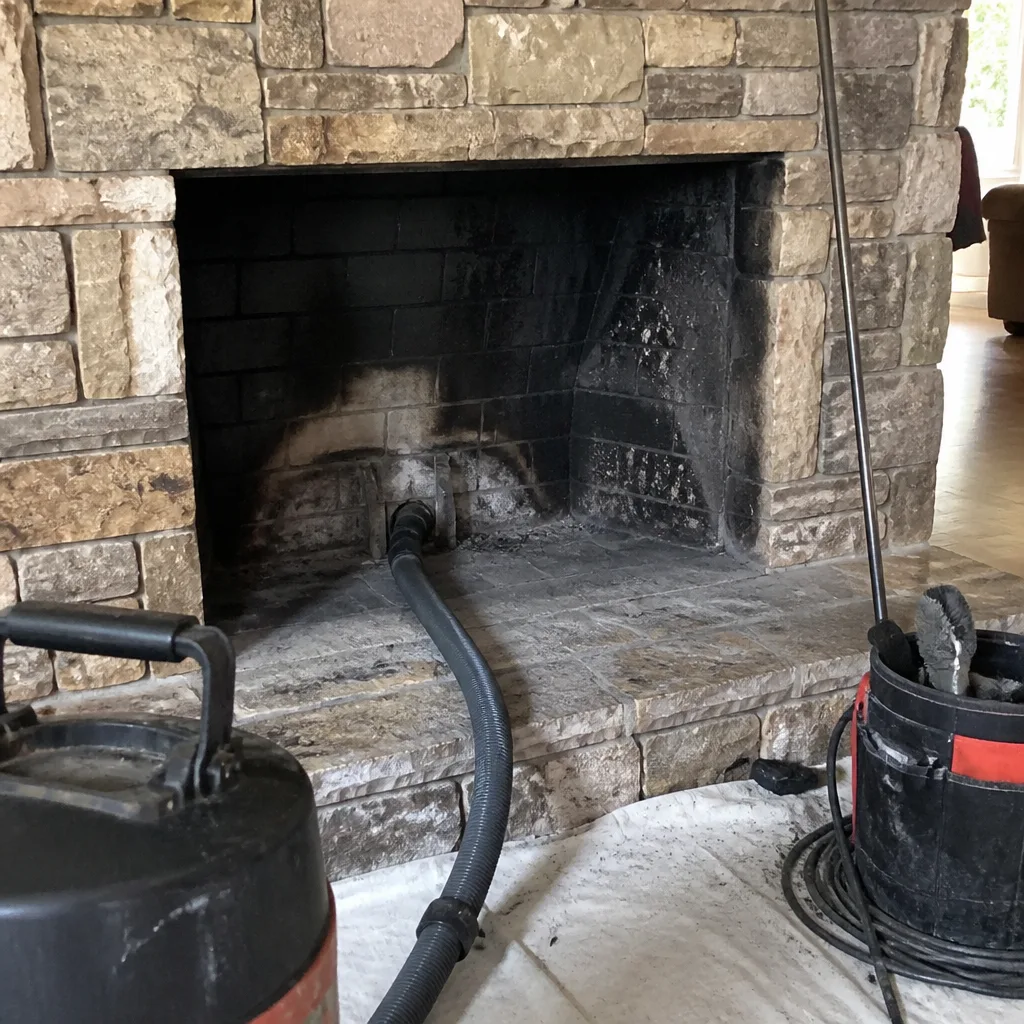 Before
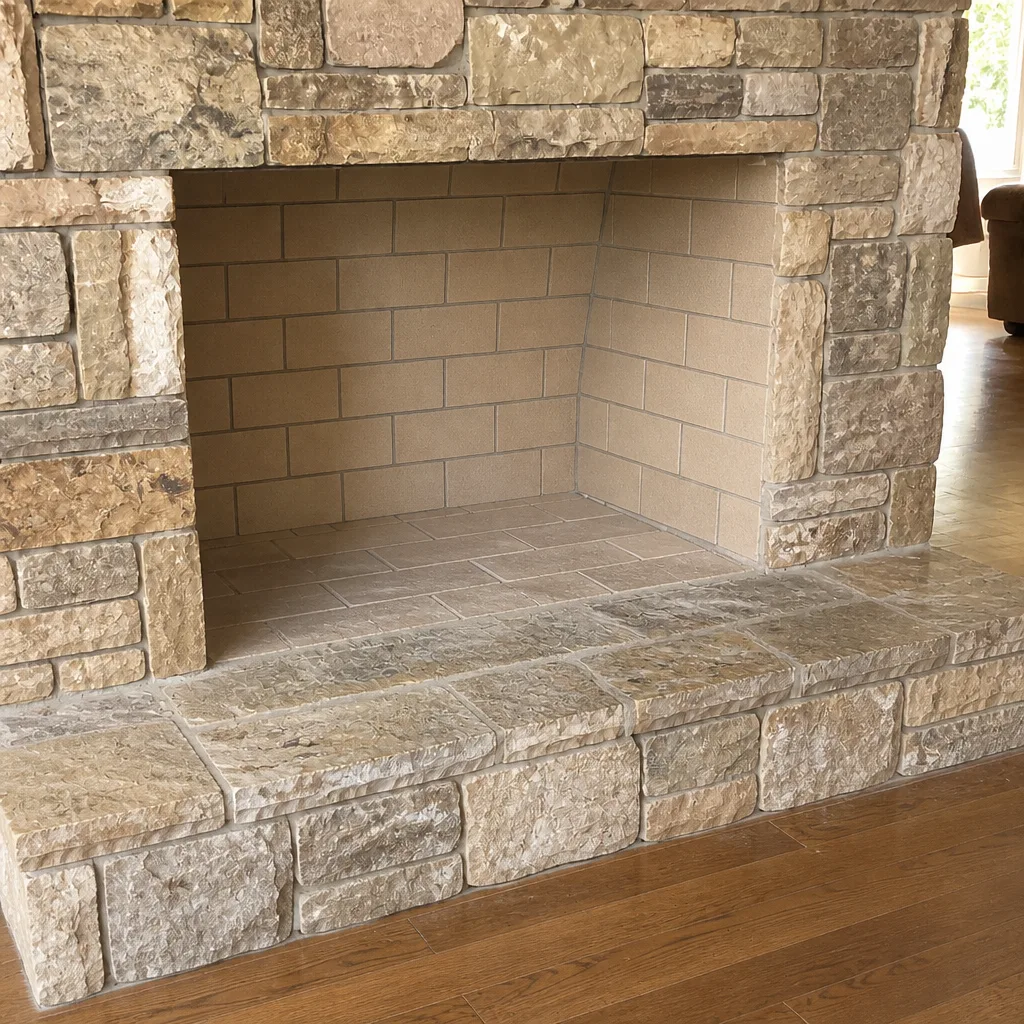 After
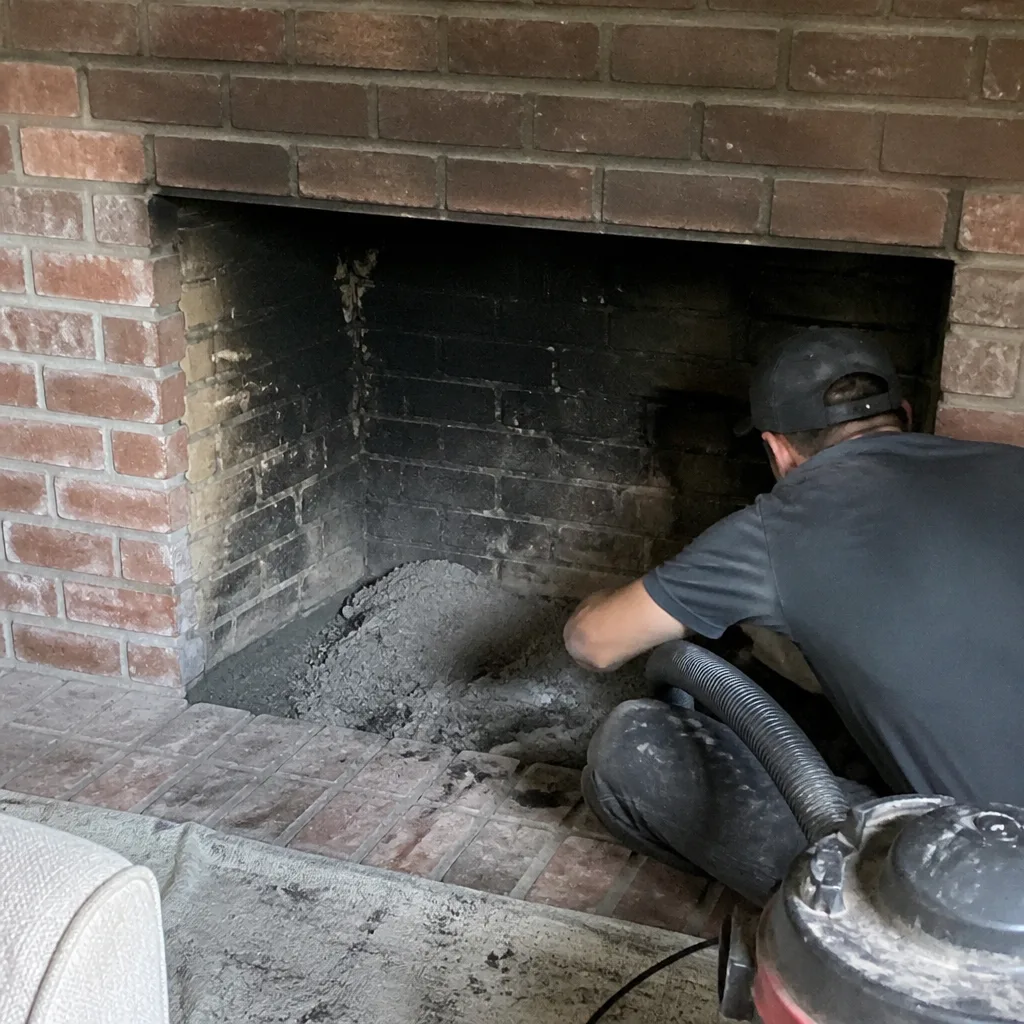 Before
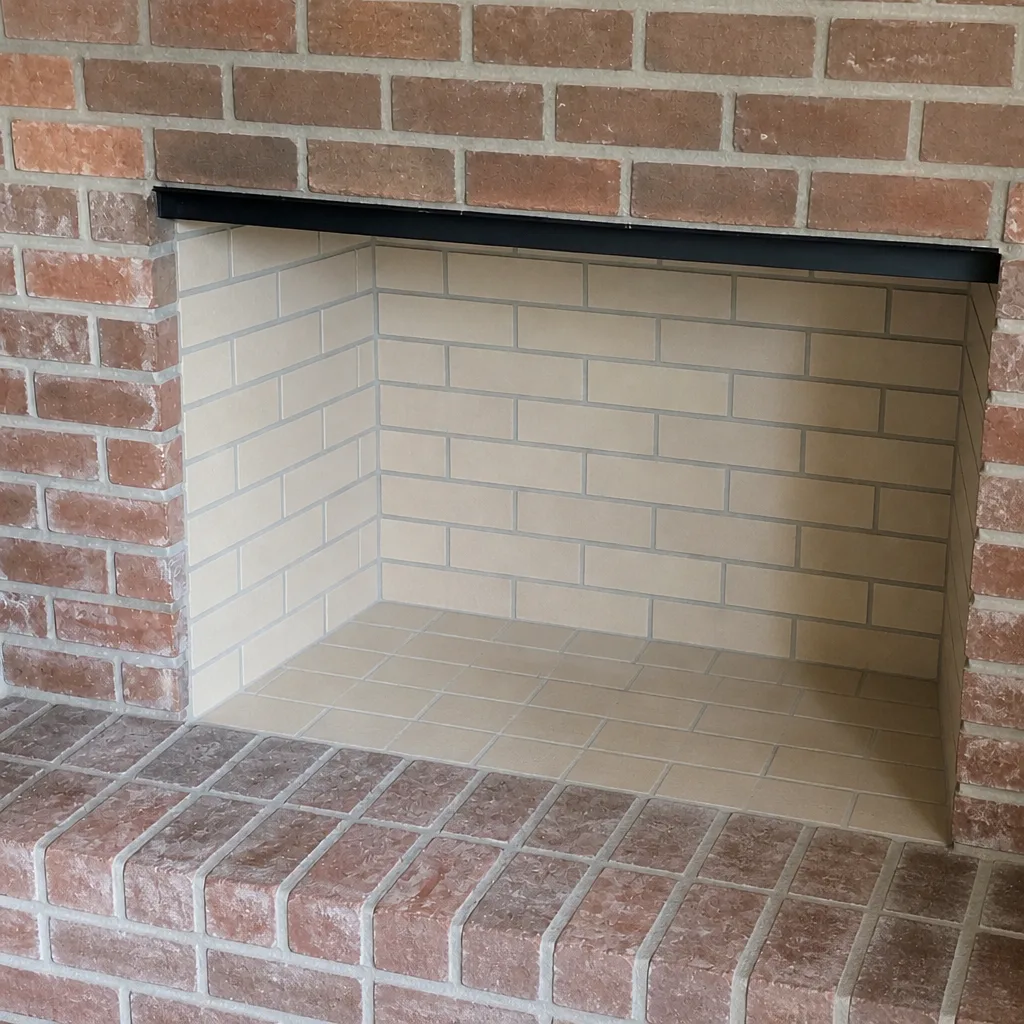 After
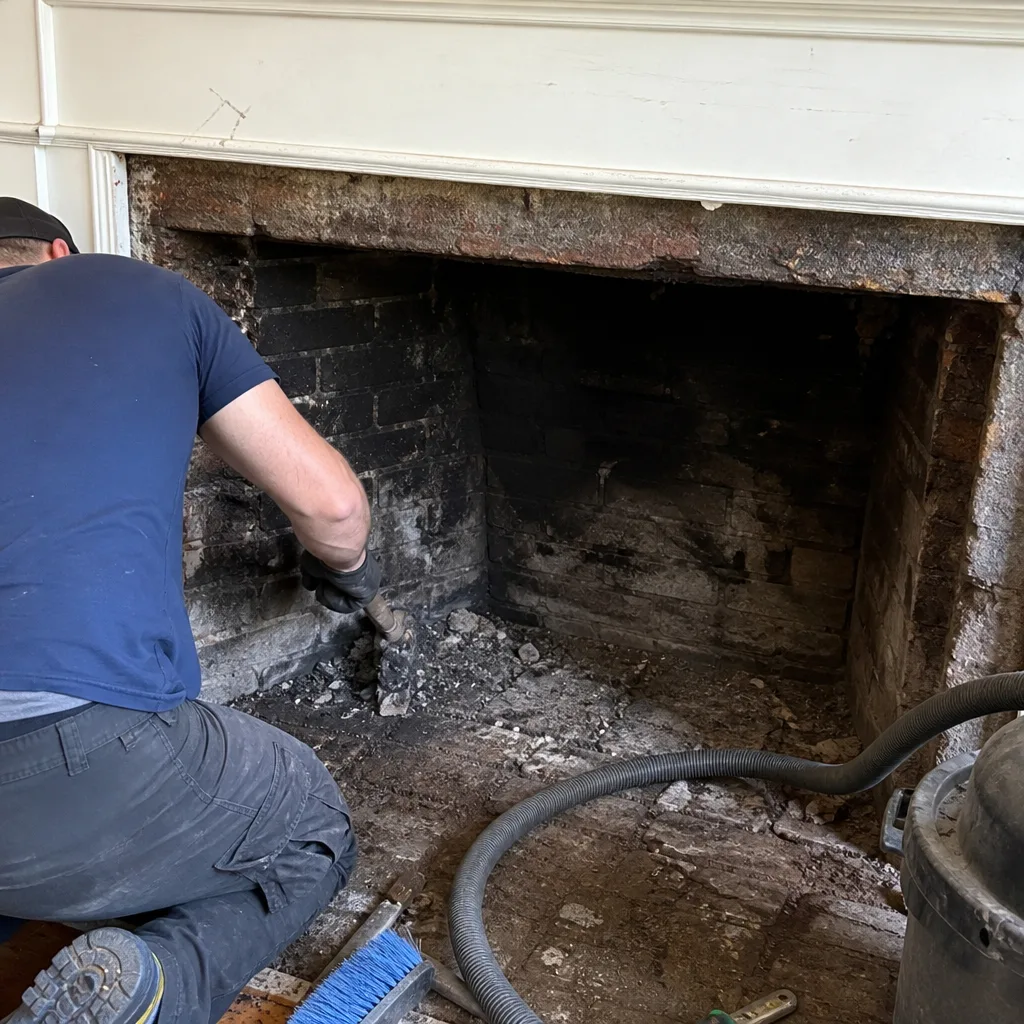 Before
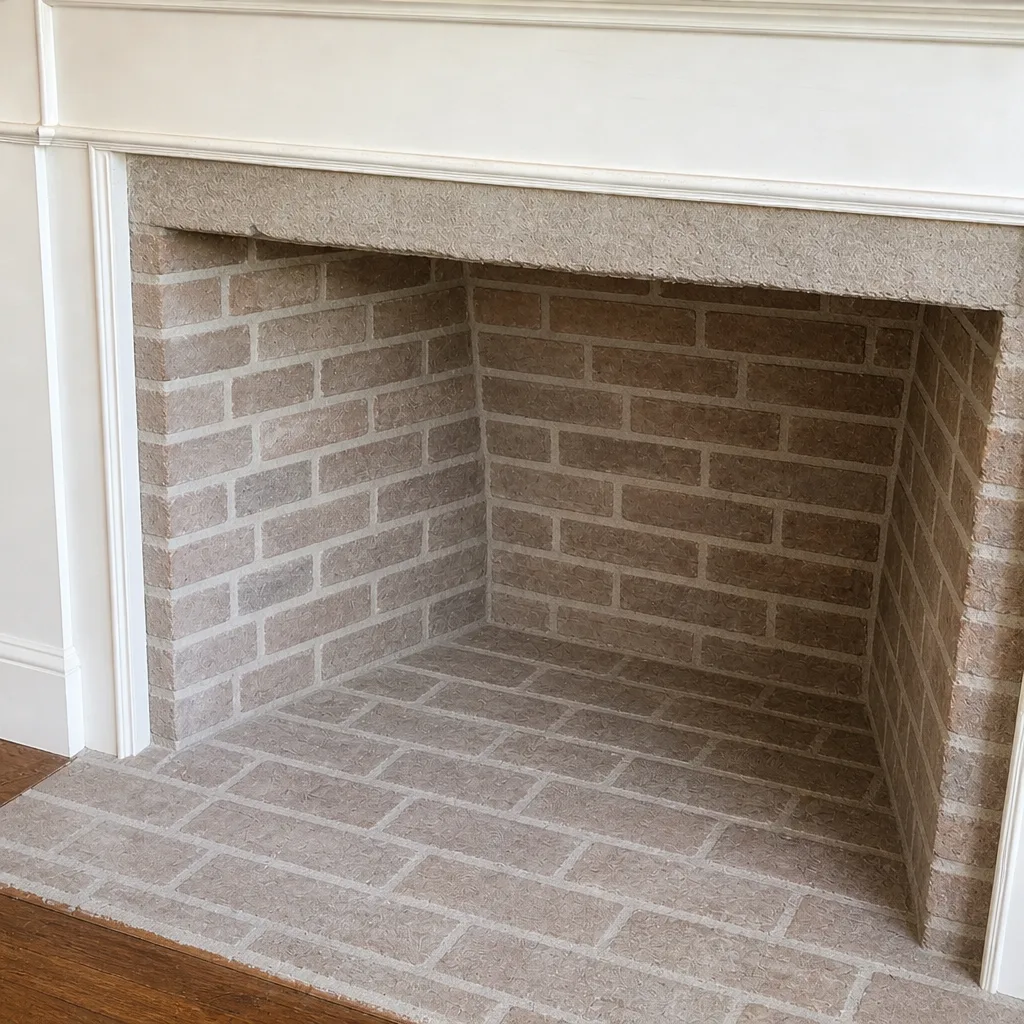 After
Common Mistakes to Avoid
- Assuming a cleaning covers everything. A sweep addresses soot and creosote, and that’s important, but it doesn’t evaluate the liner or the structural elements. If the sweep finds something, the inspection should go deeper before any repair is quoted.
- Skipping the permit on a repair. Liner replacement and structural repair often require a permit, and doing it without one creates a documentation gap that can surface during a sale or an insurance claim. Ask before the work starts.
- Accepting a repair recommendation with no findings behind it. A recommendation should come from an inspection with documentation, not from a guess. If you’re told you need a full reline, ask what the inspection showed.
- Skipping a Level 2 when one is called for. A transaction or an insurer may require the deeper inspection, and a Level 1 doesn’t cover it. If you’re asked for documentation, a thorough inspection is the way to get it.
- Using whatever cap is on hand. Caps and covers from Gelco and Famco are made for the purpose; a mismatched or improvised cap can let water in around the flue and start the damage cycle again.
- Ignoring the age of the flue system. Older Midtown homes have flues that may have been adapted over time. The system as it stands today is what needs to meet the standards the code applies, and that means evaluating what’s actually there.
When to Call a Professional (Continued)
There’s also the season side. If you use a wood-burning fireplace, the time to find out your liner is failing is before the first fire of the season, not after. A pre-season inspection gives you room to schedule any repair and handle the permit side without pressure. If a repair is needed and the work can safely wait until the off-season, that’s the call to make – and a professional should be willing to say so.
Chimney Sweep Midtown handles the full range: sweeping, inspection, cap and crown installation, fireplace repair, and chimney repair. Call (877) 820-8520. We answer 24/7. Fast dispatch from 7am to 7pm, Sunday through Friday. Estimates are free.
Frequently Asked Questions
No. Routine chimney cleaning and maintenance in Midtown, GA generally do not require a permit, because they don’t alter the chimney structure. Permits come into play when the work involves repair or replacement – relining, firebox reconstruction, or rebuilding the cap and crown. Call (877) 820-8520 for an exact quote – estimates are free, and we’ll tell you whether the scope on your chimney triggers a permit.
A permit is generally triggered when the work alters the chimney’s structure or configuration: replacing a liner, rebuilding the firebox, changing the flue height or clearances, or replacing the crown. Cosmetic and maintenance work usually does not. The safest approach is to call your local building department with the specific scope, or ask the contractor to confirm in writing who pulls the permit. Call (877) 820-8520 with questions before work is scheduled.
Often, yes. A Level 2 inspection is the detailed camera-based evaluation that buyers and insurers may request, and it’s also what’s expected after a chimney fire or smoke event. A Level 1 visual inspection that comes with a cleaning is not a substitute. If you’ve been asked for documentation, that’s the trigger. Call (877) 820-8520 to talk through what your situation requires.
It can create problems later, during a home sale or an insurance claim, because there’s no permit record to show the work was compliant. The fix is to have the system inspected and documented, then bring any non-compliant work up to code. In our experience, addressing it proactively is far less disruptive than discovering it mid-transaction. Call (877) 820-8520 to schedule an inspection.
A chimney should be swept at least once a year, and more often if it sees heavy use. Annual sweeping keeps creosote from building to a level where it becomes a fire risk, and it’s also when the visual inspection happens – which is how problems get found early. If the system has had work done or has sat unused, don’t assume it’s fine. Call (877) 820-8520 to book a fireplace repair evaluation or a sweep.
Yes. Cap and crown work is part of what we do, and we use purpose-built components – Gelco and Famco caps and covers, along with DuraFlex and HeatShield where the flue needs restoration or relining. A failing cap or crown lets water in, and that moisture starts the structural damage cycle. If you’re seeing water stains or a cap that’s loose or rusted through, have it looked at. Call (877) 820-8520. We answer 24/7. Fast dispatch from 7am to 7pm, Sunday through Friday.
The Bottom Line
Chimney cleaning and chimney repair are two different things under Georgia’s adopted codes, and the line between them is where permits live. Sweeping is maintenance and doesn’t need a permit; relining, firebox reconstruction, and cap or crown rebuilding often do. The consequences of skipping the permit are real – stalled closings, complicated insurance claims, and documentation gaps that surface years later. A Level 2 inspection is the tool that tells you what you’re actually dealing with, and a credentialed company handles the permit question up front without being asked. In Midtown, where older housing stock and frequent property turnover make this a live issue, getting the sequence right – inspect, document, permit, repair – saves money and headaches. The right materials for the repair, from DuraFlex and HeatShield to Gelco and Famco, are part of the same discipline. From the firebox to the cap, the whole system deserves the same care.
Chimney Sweep Midtown offers free estimates in Midtown. Call (877) 820-8520. We answer 24/7. Fast dispatch from 7am to 7pm, Sunday through Friday.
Written by the team at Chimney Sweep Midtown.