
Last updated November 24, 2026
 Sweep & inspection
 Caps & crowns
 Flue relining
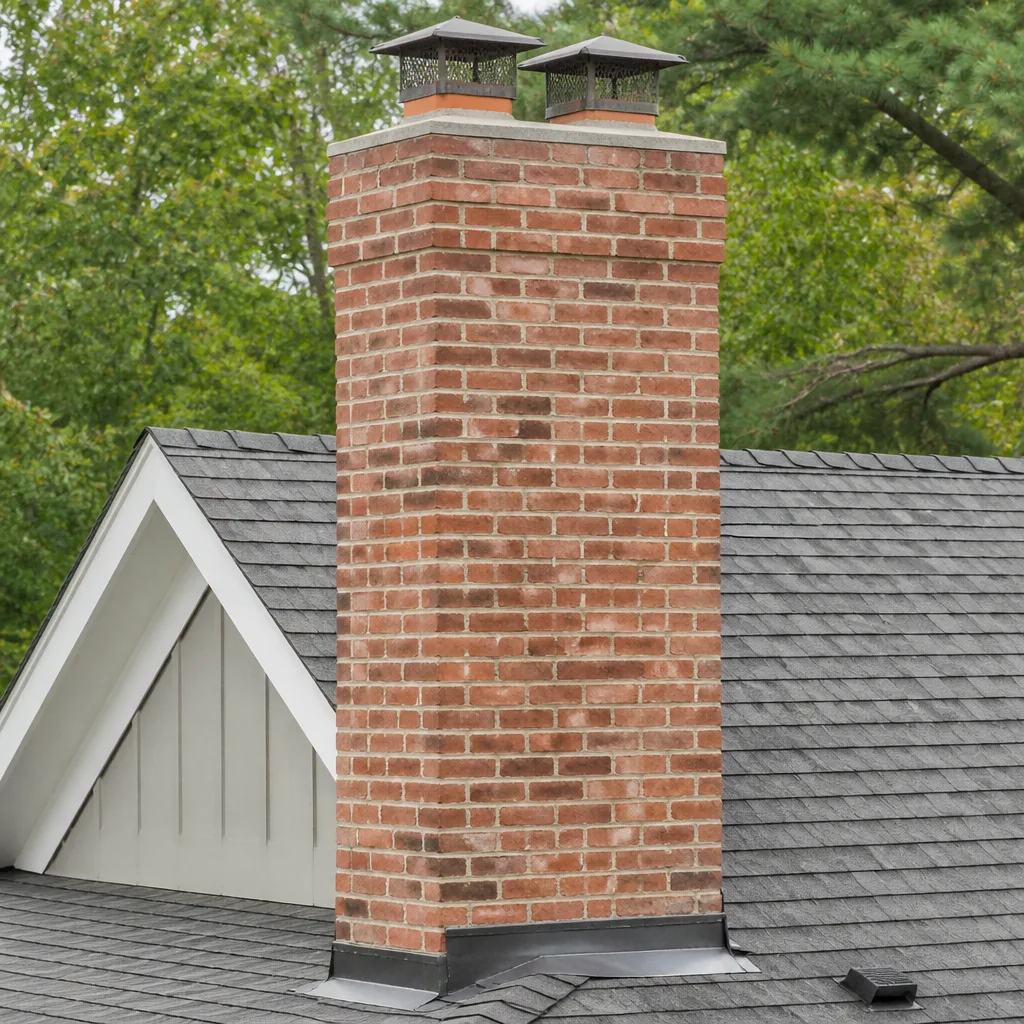 Masonry repair
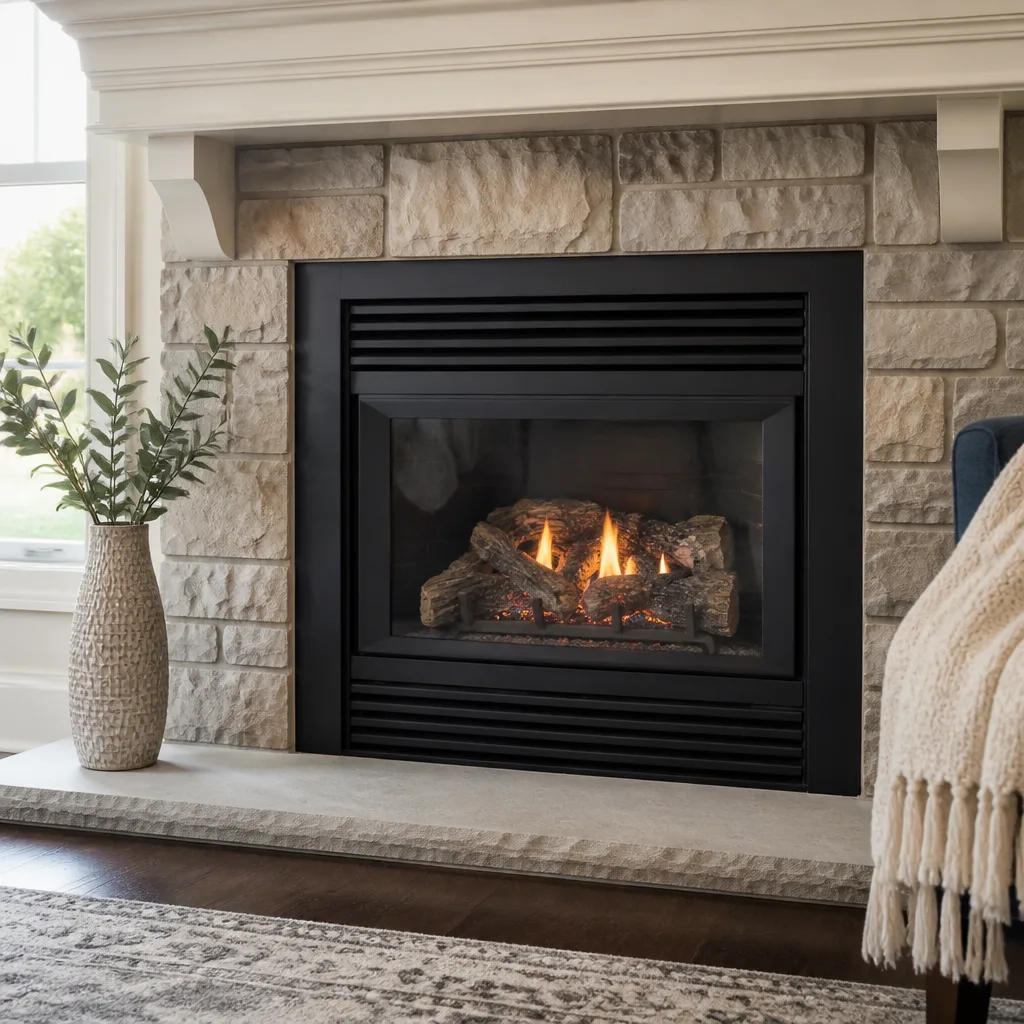 Gas fireplace service
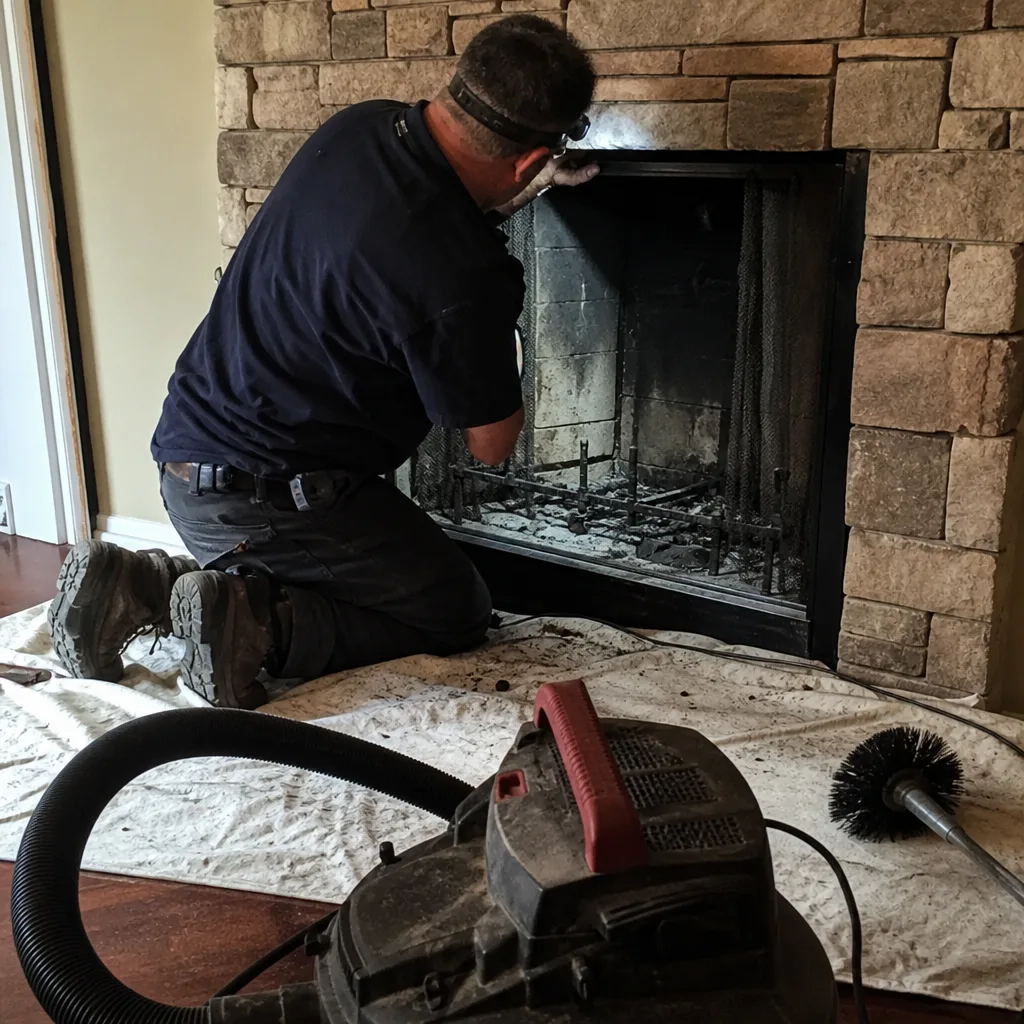
Level 1 sweep and inspection to the NFPA 211 annual standard - flue, crown, cap, and flashing checked and photographed
Chimney sweep logs do not sweep chimneys. They loosen some creosote - which then falls where a brush and vacuum still have to collect it.
How to Hire a Chimney Cleaning Contractor in Midtown: A Step-by-Step Guide
The cheapest chimney sweep quote you’ll find in Midtown is often from someone who owns a brush and a shop vac. That’s not a knock on brushes and vacuums; they do a job. The problem is what they can’t do, which is tell you whether your flue has a crack, whether your crown has failed, or whether the liner you’re relying on is still intact behind the creosote. A cleaning and a diagnosis are two different services, and only one of them protects your house. Over the next few sections we’ll walk you through the five questions that separate a real specialist from a surface-cleaner, the credentials worth checking, the red flags hiding inside a low quote, and how to read the paperwork you get afterward. By the end you’ll know which kind of contractor your Midtown chimney actually needs.
Quick Answer
To hire a chimney cleaning contractor in Midtown, verify current CSIA certification and liability insurance before you book, ask whether the visit includes a full-system inspection or cleaning only, and insist on a written scope of work before any repair is authorized. A legitimate company will pass those checks easily and hand you a documented report afterward. A company that dodges them is telling you something.
Styles & brands we work with
- Sweep & inspection
- Caps & crowns
- Flue relining
- Masonry repair
- Gas fireplace service
Table of Contents
- Sweep or Specialist? Start With Your System’s Condition
- The Credentials to Verify Before You Book
- Five Diagnostic Questions to Ask on the Phone
- Red Flags Hiding Inside a Quote
- What a Proper Sweep Visit Looks Like in Midtown
- How to Read the Report You Get Afterward
- Why Midtown Chimneys Age the Way They Do
- Common Mistakes to Avoid
- When to Call a Professional
- Frequently Asked Questions
Sweep or Specialist? Start With Your System’s Condition
Before you call anyone, figure out which of two categories your chimney falls into. It saves you time and it changes which questions make sense on the phone.
A sweep-only outfit cleans the flue and the firebox. That’s the whole scope. If everything inside your system is sound and has been serviced recently, this may be all you need. It’s a real service and there’s nothing wrong with it. What matters is that you’re not asking it to do more than it can.
A full-service chimney specialist cleans, but also inspects the entire system from firebox to cap, documents findings, and performs the follow-on work: relining, crown and cap installation, firebox and masonry repair. At Chimney Sweep Midtown we work on that second model, and the reason is practical. The most expensive chimney problems we come across in Midtown weren’t caused by dirty flues. They were caused by damaged flues nobody looked at because the person on the roof was only there to sweep.
Here’s a rough rule for deciding which to call:
- Call a sweep if your system was inspected within the past year, you burn dry wood, and nothing has changed in how it drafts or smells.
- Call a specialist if you’ve never had an inspection, don’t know the last service date, just bought the house, have moved to a different fuel, or have noticed any change in draft, smell, or smoke behavior.
- Call a specialist if your home is older. Midtown’s housing stock includes a lot of prewar construction with original or previously reworked flues, and older flues rarely match current liner geometry without some assessment.
We’d rather you call the right type of company the first time than pay twice. If your system is clean and sound, a sweep is the honest answer.
The Credentials to Verify Before You Book
Two credentials matter more than anything else on a business card, and both are easy to check.
CSIA certification
The Chimney Safety Institute of America certifies chimney sweeps, and the certification carries a current status you can look up directly through the CSIA. Ask for the certification and check it yourself rather than taking a logo on a website as proof. Why it matters: the certification reflects training in inspection standards and venting fundamentals, not just how to push a brush. A certified sweep is more likely to recognize when a cleaning is not the right answer. Ask specifically whether the person coming to your home is currently certified, not whether the company once had a certified technician.
Liability insurance
Ask for a certificate of insurance before anyone gets on your roof. Roof work is where damage happens: cracked shingles, a dislodged cap, a foot through a flashing detail. A contractor without liability coverage leaves you holding that bill, and often your own homeowner’s policy won’t cover work performed by an uninsured trade. Ask what their liability limit is and whether they carry workers’ compensation. A company that hesitates on either question is telling you something about how far their scope really extends.
What the absence of these two things signals, in plain terms: a company without certification and without insurance almost always offers cleaning only, because cleaning is the one thing you can do without either. That company can’t install a cap correctly, can’t assess a liner, and can’t stand behind damage if something goes wrong. If your chimney has any complexity to it, that’s the wrong phone call.
Five Diagnostic Questions to Ask on the Phone
You can tell a lot from a five-minute call. These questions are designed to reveal whether the company evaluates your whole system or just shows up with a brush. Ask all five before you book.
- “Does the visit include an inspection, or is it cleaning only?” The right answer involves an inspection as part of the visit, with findings documented. If the answer is “we just clean,” you’ve learned the scope. If the answer is “inspection is extra,” ask what the inspection covers and whether it’s documented in writing.
- “Who performs the inspection, and to what standard?” A trained technician using a recognized inspection standard is the answer you want. Vague answers about “checking it over” during a cleaning mean there’s no inspection at all, just eyes on a flue while the brush is out.
- “What do you do if you find a problem during the sweep?” Listen for the word document. We document what we find before we recommend anything, and any contractor worth hiring operates the same way. A company that can’t describe how findings reach you in writing is a company that resolves problems by telling you about them verbally on the roof.
- “Do you install caps and crowns, or refer that out?” Referral handoffs create gaps. A specialist supplies and installs purpose-built components itself, so the cap that goes on is the cap the inspector recommended. Ask which products they use. Brands like Gelco, Famco, DuraFlex, or HeatShield are worth hearing because they signal a company that knows repair materials, not just cleaning tools.
- “Can you show me the findings before any repair is authorized?” This is the big one. A camera inspection with photos you can see yourself is the difference between a diagnosis and an upsell. If a contractor can’t explain how they’ll show you the evidence, keep calling.
Five questions, five minutes. Most of what you need to know about a company’s real scope shows up in the answers.
Red Flags Hiding Inside a Quote
Price is the last thing to evaluate, not the first. Here’s what to look for once a quote is in front of you.
- Flat-rate pricing with no inspection component. A quote for cleaning that doesn’t include an inspection isn’t a bargain, it’s a smaller job. You’re not comparing the same service.
- No written scope of work. Any repair, cap, or reline recommendation should arrive in writing, itemized, describing what’s being replaced, with what material, and why. A verbal recommendation on the roof with no paper trail is not a scope of work.
- Reluctance to discuss findings in detail. If you ask what was found and the answer stays general (“your flue needs attention”), that’s a signal. A specialist can explain what was seen and where, because they saw it and photographed it.
- Recommendations made before the inspection. If a contractor tells you over the phone that you need a liner, without having looked, that’s not a diagnosis. No responsible specialist names a repair before seeing the flue.
- Pressure to decide on the spot. There’s no chimney repair that can’t wait for a decision made in daylight with the paperwork in hand. If you’re told otherwise, that pressure is itself the finding.
- No mention of how findings will be documented. A direct line to a proper report matters more than any review on a listing site.
One more thing worth saying plainly, because it’s the hesitation most Midtown homeowners bring to this page: the biggest fear is being told you need thousands of dollars of liner or masonry work you have no way to verify. The answer to that fear isn’t blind trust. It’s demand evidence. A camera inspection that produces photos you can look at, a written scope, and the option to wait when the work can safely wait. That’s the standard.
What a Proper Sweep Visit Looks Like in Midtown
Knowing the sequence gives you something to compare against when the van pulls up. Here’s how a professional visit typically goes, generally speaking:
- Setup and protection. Drop cloths and floor protection go down before equipment comes in. Anything less is a warning about how the rest of the visit will go.
- Inspection. The technician inspects the firebox, damper, smoke chamber, flue, and the exterior at the cap and crown before or during cleaning. A camera inspection on a screen you can watch is the gold standard. Our technicians have up to 14 years of experience, and the one thing experience teaches is that the visible flue is rarely the whole story.
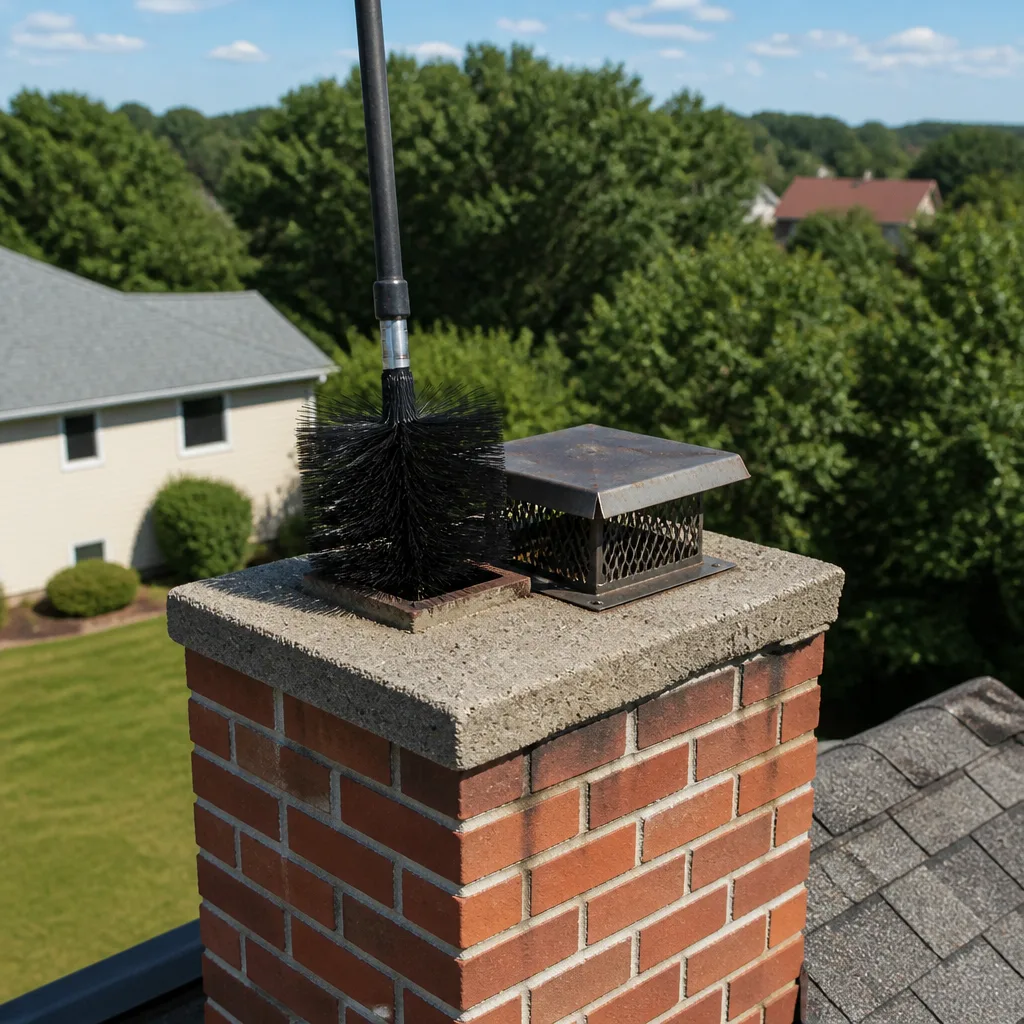
- Sweeping. The flue is swept with the right brush type for the liner material. This is where material knowledge matters. A metal liner, a masonry flue, and a HeatShield ceramic surface each call for a different approach, and a technician who uses one brush for everything can cause damage while appearing to do the job correctly.
- Findings, documented. Any issue gets photographed and written up before it’s discussed. This is where a sweep becomes a diagnosis. A chimney sweep visit that ends with a verbal “looks good” and no paper is a cleaning, not a service record.
- Review and estimate. Follow-on recommendations get explained in plain language and quoted in writing, with the option to defer non-urgent work held open. If your cap or crown needs attention, that’s usually folded into the same plan rather than treated as a separate errand.
- Cleanup. The work area comes out as clean as it went in. If there’s soot on your hearth rug, the visit wasn’t finished.
What you should walk away with: a documented record of your flue’s condition and a clear picture of anything that needs follow-up. A sweep is a starting point, not the whole job.
How to Read the Report You Get Afterward
The paperwork is where a real specialist separates from a cleaning. A receipt with a checkbox tells you someone was here. A professional report tells you what your chimney actually looks like and what it needs. Here’s the difference.
- A formal inspection report identifies each component checked (firebox, damper, smoke chamber, flue, cap, crown, flashing) with condition notes on each, not a single line reading “cleaned.”
- Photographs, including images of any defect found. The photos are the point, because they let you see what the technician saw. You shouldn’t be taking anything on faith.
- A clear category for each finding, distinguishing what’s an immediate safety issue, what should be addressed soon, and what’s routine maintenance. That distinction is what lets a homeowner decide what to authorize this month and what can safely wait.
- A written scope for any recommended repair, naming the component and the material. If your crown needs replacement, the report says crown, and it says Gelco or Famco, or whatever purpose-built product is being proposed, and it explains why.
- A record you can keep. A report becomes your service history, which matters when you sell the home or need to prove regular maintenance to an insurer. A receipt with a checkbox does none of that.
In our experience, the report is where homeowners finally relax. Once you can see the flue for yourself, “do I really need a new liner” stops being a riddle and starts being a decision you can make.
Why Midtown Chimneys Age the Way They Do
Midtown’s climate puts a particular kind of stress on masonry. We get warm, humid summers and winters that swing well below freezing, with plenty of wet weather in between. That freeze-thaw cycle is what really ages a chimney here. Brick and mortar absorb moisture, that moisture freezes and expands, and mortar joints crack from the inside out. A hairline crown crack that looks harmless in August opens up by January.
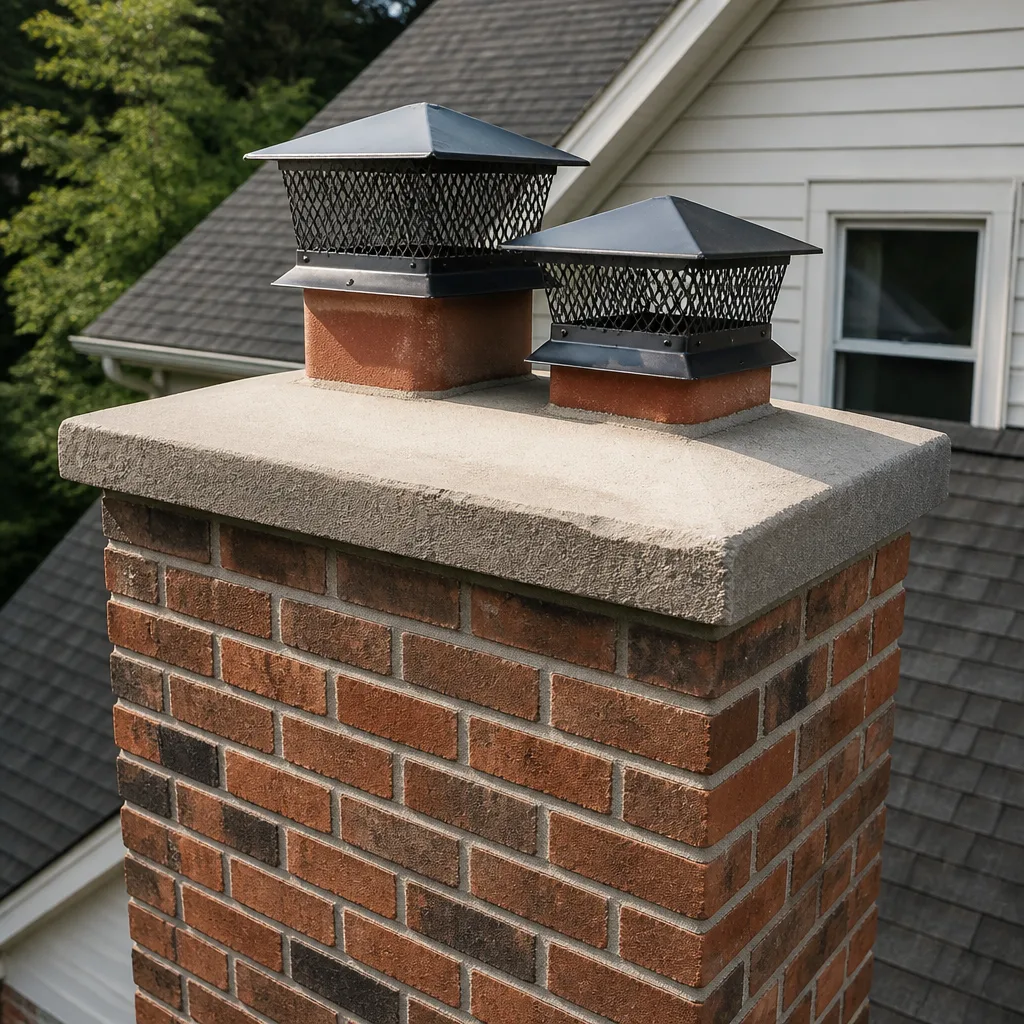
That’s why the cap and crown matter more in this climate than homeowners expect. Moisture intrusion isn’t a cosmetic issue. A failed crown lets water run into the top of the flue, and once in, the damage spreads down the liner and into the smoke chamber. This is exactly why cap and crown work is worth doing with purpose-built components rather than improvised fixes, and it’s the reason we install chimney cap & crown systems from suppliers like Gelco and Famco. Moisture protection is a design decision, not a patch.
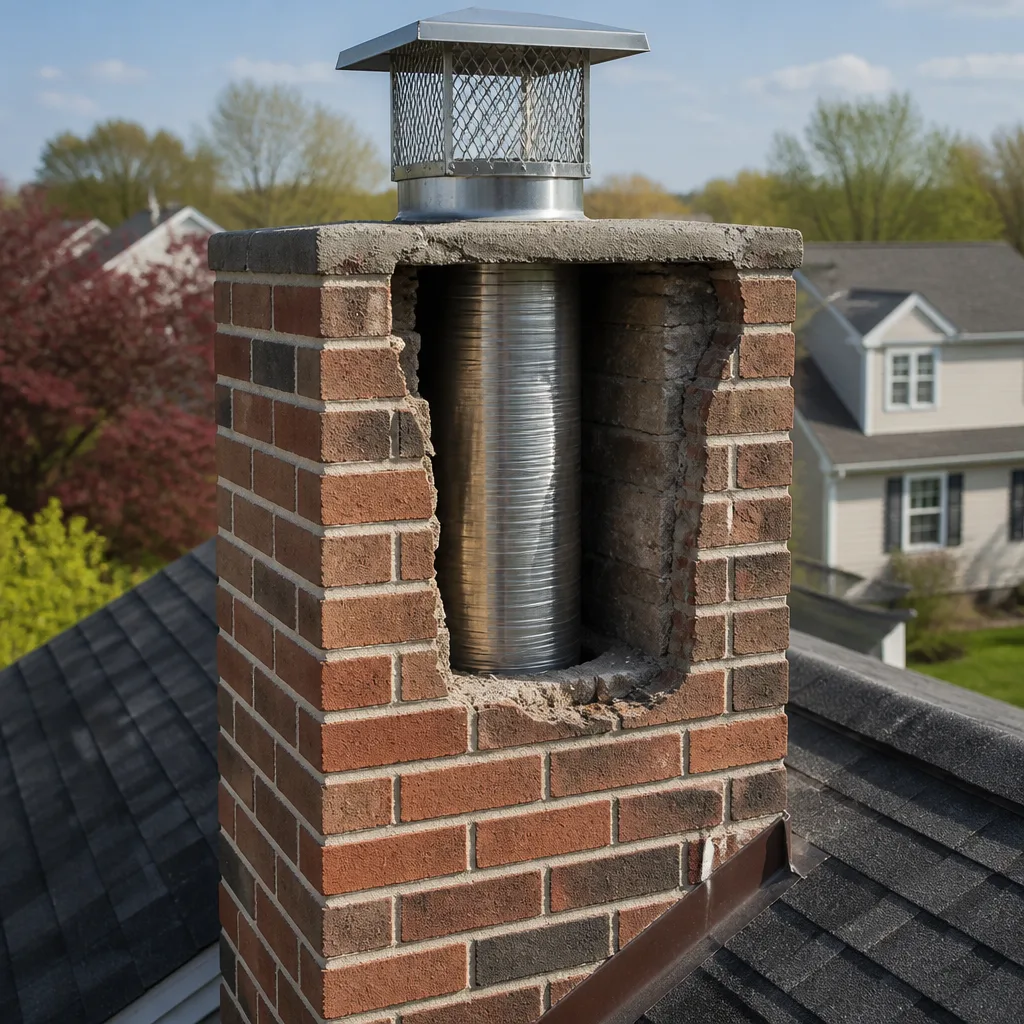
The other local factor is housing stock. Midtown includes plenty of older neighborhood homes where the chimney has been through several decades of freeze-thaw and possibly a previous liner install. When you’re calling around, ask how a company handles complex flue geometries in older homes. The answer tells you whether they’ve dealt with Midtown housing stock or just read about it. Flexible liner systems like DuraFlex exist precisely because old flues rarely run straight, and a specialist should be comfortable working with that reality.
Common Mistakes to Avoid
- Hiring on price alone. The lowest quote is almost always a smaller scope. Two low quotes for a sweep with no inspection are not the same service as an inspected, documented visit, so the comparison isn’t valid.
- Skipping the insurance question. Midtown roofs are steep and close together. A contractor without liability coverage shifts roof and cap damage onto your homeowner’s policy, and that’s a cost you never saw in the quote.
- Booking without asking about inspection. If you don’t ask, plenty of companies won’t volunteer that they only clean. Confirm the scope on the phone, before the van arrives.
- Letting recommendations go unwritten. When a technician says your liner needs attention, ask for it in writing with photos. If the recommendation isn’t on paper, it’s not something you can weigh or compare.
- Putting off the cap because the roof is “fine for now.” Midtown’s freeze-thaw cycles punish exactly that delay. Water gets in through the top and works its way down, and a small moisture problem becomes a structural one.
- Treating a sweep as the entire service. A cleaning doesn’t diagnose anything. If the last time anyone looked at your flue was years ago and it was a brush-and-go, your system has never actually been evaluated.
- Not keeping the report. A documented service history is your record of maintenance and your evidence when an inspector, buyer, or insurer asks. A shoebox of receipts won’t carry the same weight.
Every mistake on this list comes back to the same root: treating a chimney as something to clean rather than a system to maintain. From the firebox to the cap, the whole system needs attention, and the contractor you hire should work on the whole thing.
When to Call a Professional
Some situations obviously call for a specialist. Your firebox is cracked or the masonry is crumbling. You’ve seen smoke backing into the room instead of going up. Your damper won’t close or won’t open. The cap or crown is visibly damaged, or you can see daylight where the crown should be sealed. You smell creosote or smoke in the house when the fireplace is cold. Your carbon monoxide alarm went off, in which case you should leave the house and call the fire department first, then worry about the chimney. And any time you’ve moved into a home where the service history is unknown, start with an inspection rather than a cleaning. The best time to schedule that assessment is before burning season, when there’s room in the schedule to do the job right.
Chimney Sweep Midtown offers free estimates in Midtown. Call (877) 820-8520. We answer 24/7. Fast dispatch from 7am to 7pm, Sunday through Friday.
Frequently Asked Questions
Once a year for a wood-burning fireplace you actually use, and annually for a gas fireplace as well, even though gas produces less creosote, because the annual visit is also when the system gets inspected. Midtown’s freeze-thaw climate makes the annual inspection more valuable than the annual cleaning, since crown and masonry damage shows up there first. Call (877) 820-8520 to book an assessment before burning season.
A proper inspection covers the whole system: firebox, damper, smoke chamber, flue, and the exterior at the cap, crown, and flashing. The technician should record findings in writing, with photographs of anything that needs attention. It’s not a look down the flue with a flashlight. If a company can’t describe what their inspection covers, that’s your answer on scope.
Only if the inspection shows your existing liner is cracked, deteriorated, or not suitable for the fuel you burn, and only if you can see the evidence yourself. A liner is a safety component, so a damaged one is a real finding. But it’s also a repair worth verifying before you authorize it, which is why we recommend asking for the photos and the written scope. In some cases, HeatShield ceramic restoration of the flue can address deterioration where a full reline would otherwise be proposed. Call (877) 820-8520 for an inspection that shows you the evidence.
Yes, because it verifies current training in inspection and venting fundamentals, not just cleaning technique. It’s easy to check directly rather than relying on a logo. Ask whether the technician coming to your home is currently certified, and verify it yourself. A certified specialist is more likely to recognize when cleaning is the wrong answer for your system.
Creosote accumulates in a flue that isn’t cleaned, and creosote is the fuel behind chimney fires. Blockages from soot, debris, or a nesting animal can push carbon monoxide back into the house instead of venting it outside. Those are the two real risks, and neither announces itself. There’s no visible warning that a flue has reached a dangerous level of buildup. That’s the reason for annual service, and it’s a maintenance issue, not a scare tactic. Call (877) 820-8520 to get on the schedule.
You know it’s fair when it’s written, itemized, tied to something you can see in photographs, and doesn’t pressure you into an immediate decision. Price alone tells you little because scope varies so widely. Compare quotes for the same scope, with the same materials named (Gelco and Famco caps, DuraFlex liners, HeatShield restoration), and ask which work can safely wait. If a company can talk through that clearly, the quote is doing its job. Call (877) 820-8520 for a free written estimate in Midtown.
The Bottom Line
Hiring a chimney contractor in Midtown comes down to one question: is this a company that cleans, or a company that diagnoses and repairs the whole system? Check CSIA certification and liability insurance. Ask the five diagnostic questions. Read the quote for scope, not just price. Then judge the paperwork, because a documented report with photographs is the difference between a real specialist and a brush with a business card. Our approach at Chimney Sweep Midtown is simple: we document what we find before we recommend anything, use the right materials for the repair rather than whatever’s on the truck, and tell you plainly when work can safely wait. A sweep is a starting point, not the whole job.
We cover the full lifecycle here: sweeping, inspection, cap and crown, fireplace repair, and chimney repair, resolved without sending you to a second company. If you’d like to book a visit, call (877) 820-8520 for a free estimate. We answer 24/7. Fast dispatch from 7am to 7pm, Sunday through Friday.
Written by the team at Chimney Sweep Midtown.
See the difference
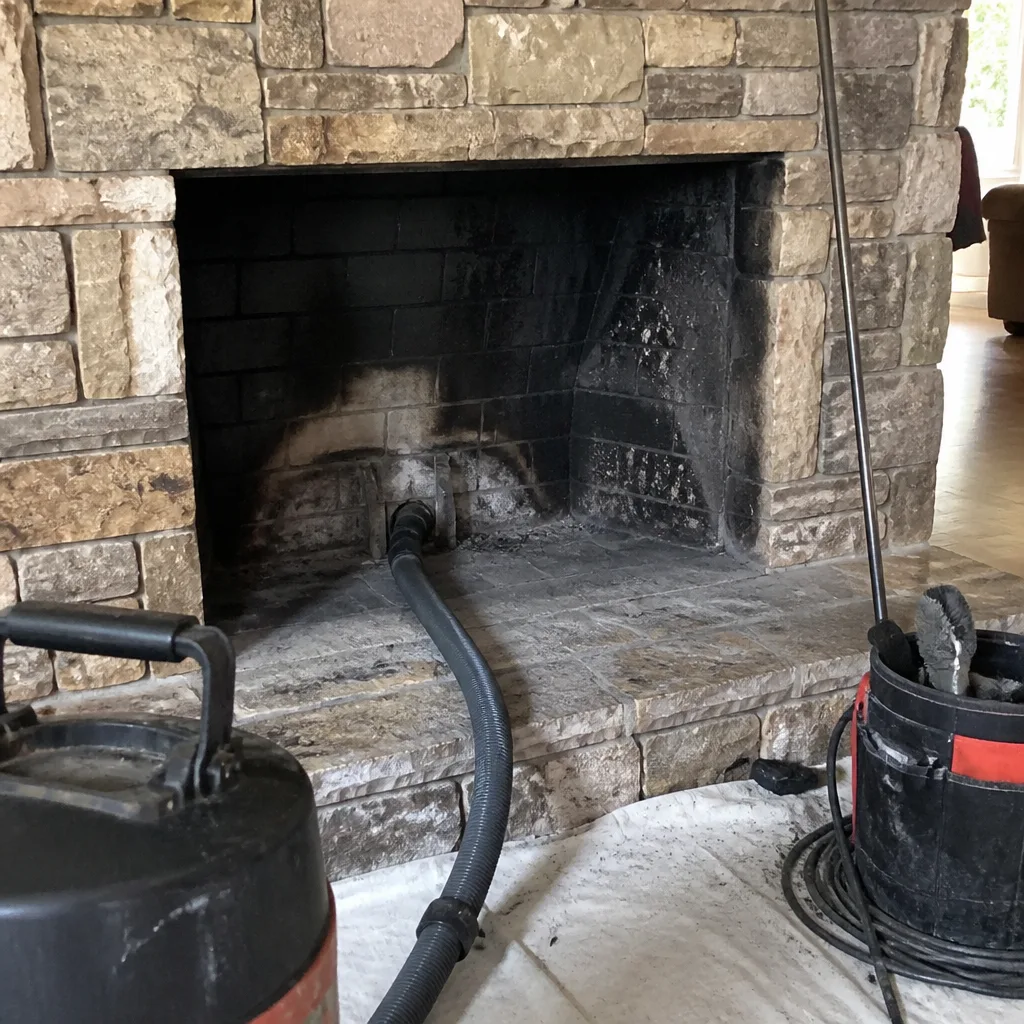 Before
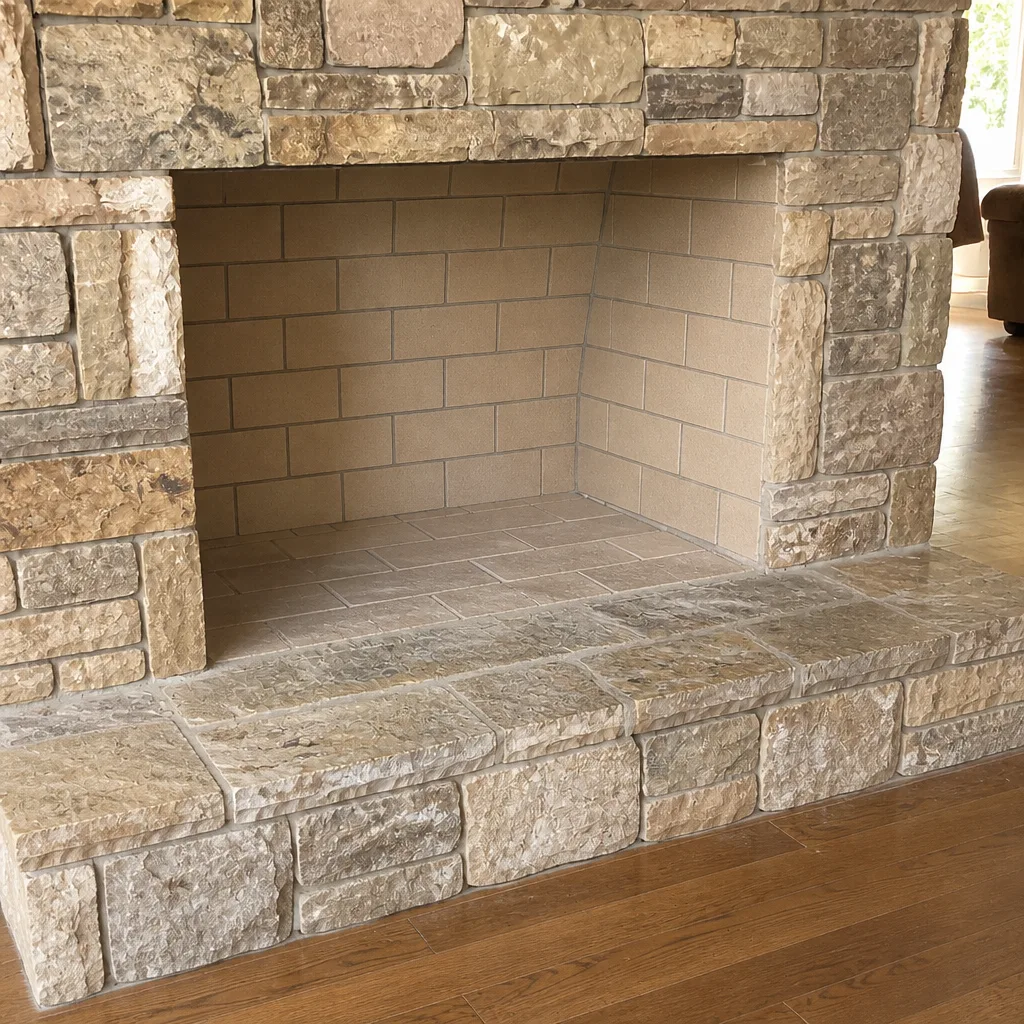 After
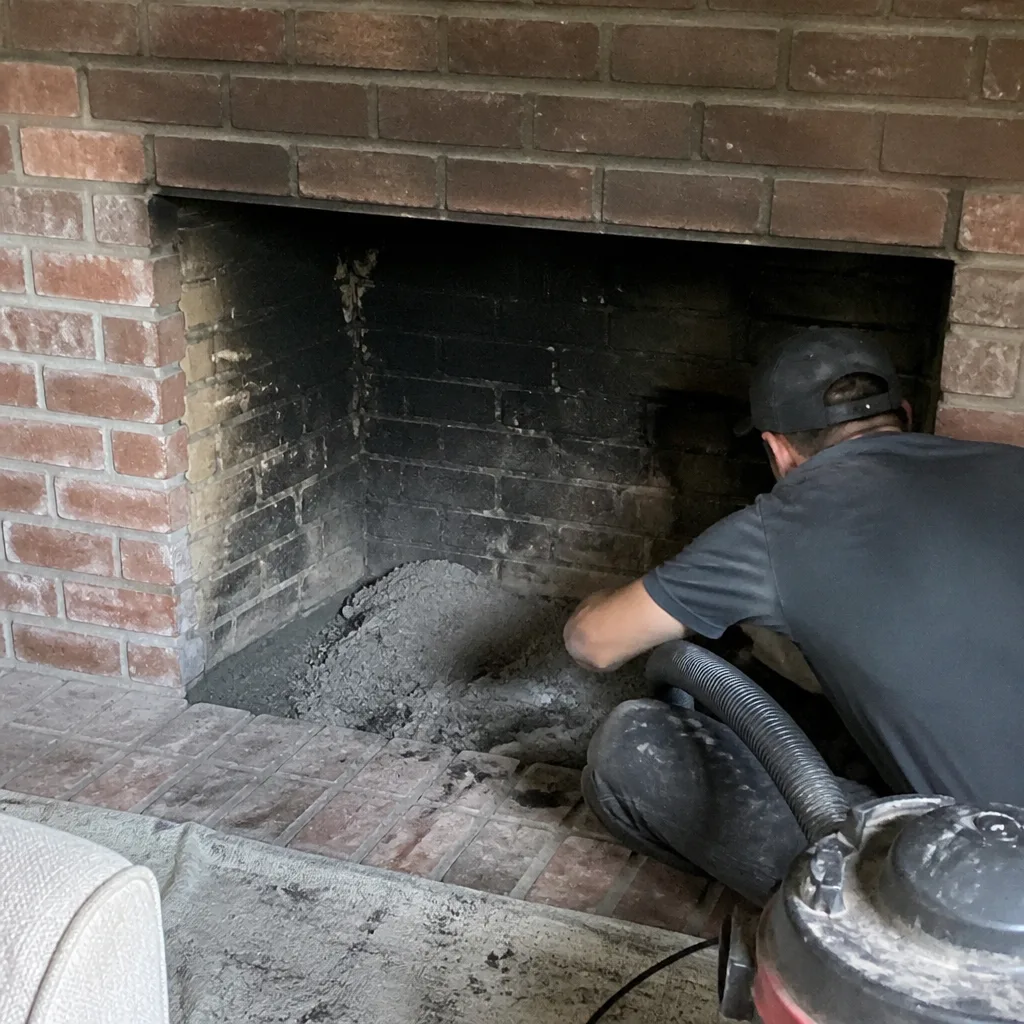 Before
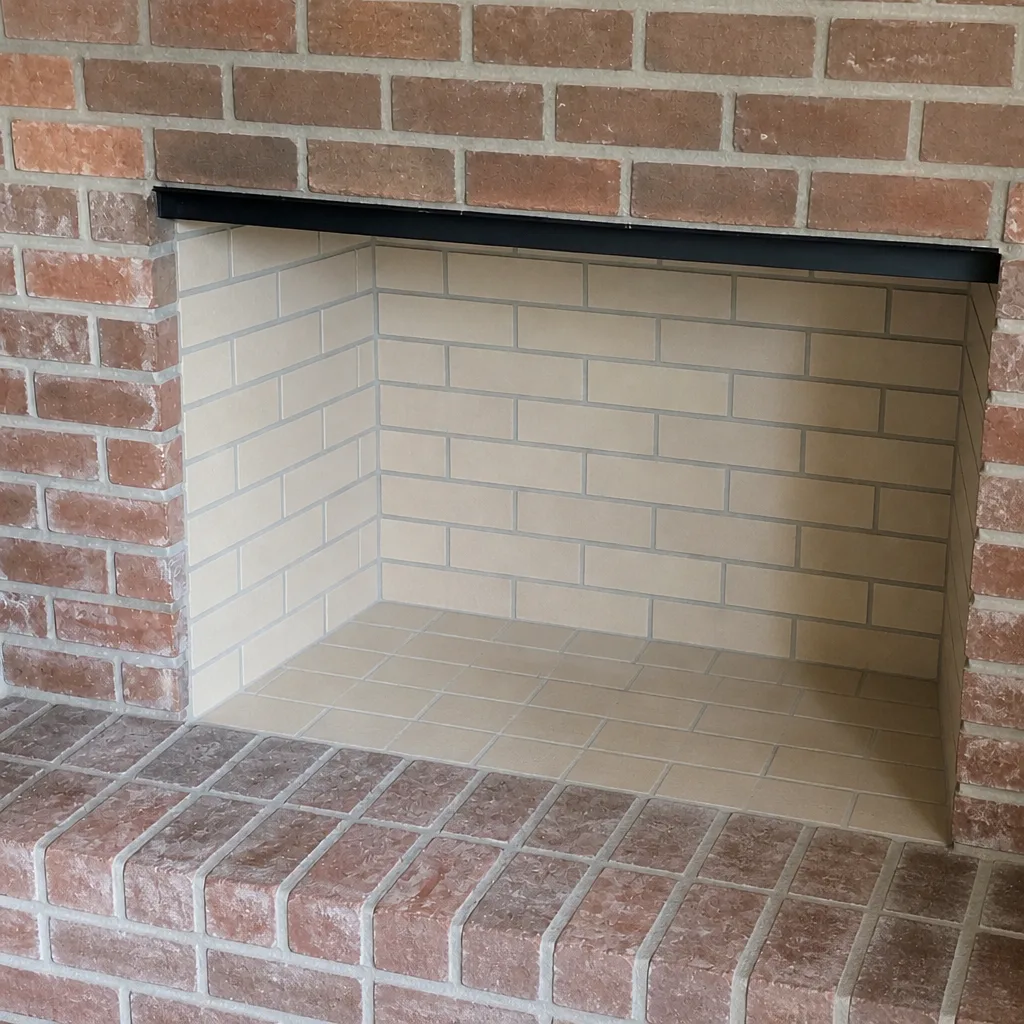 After
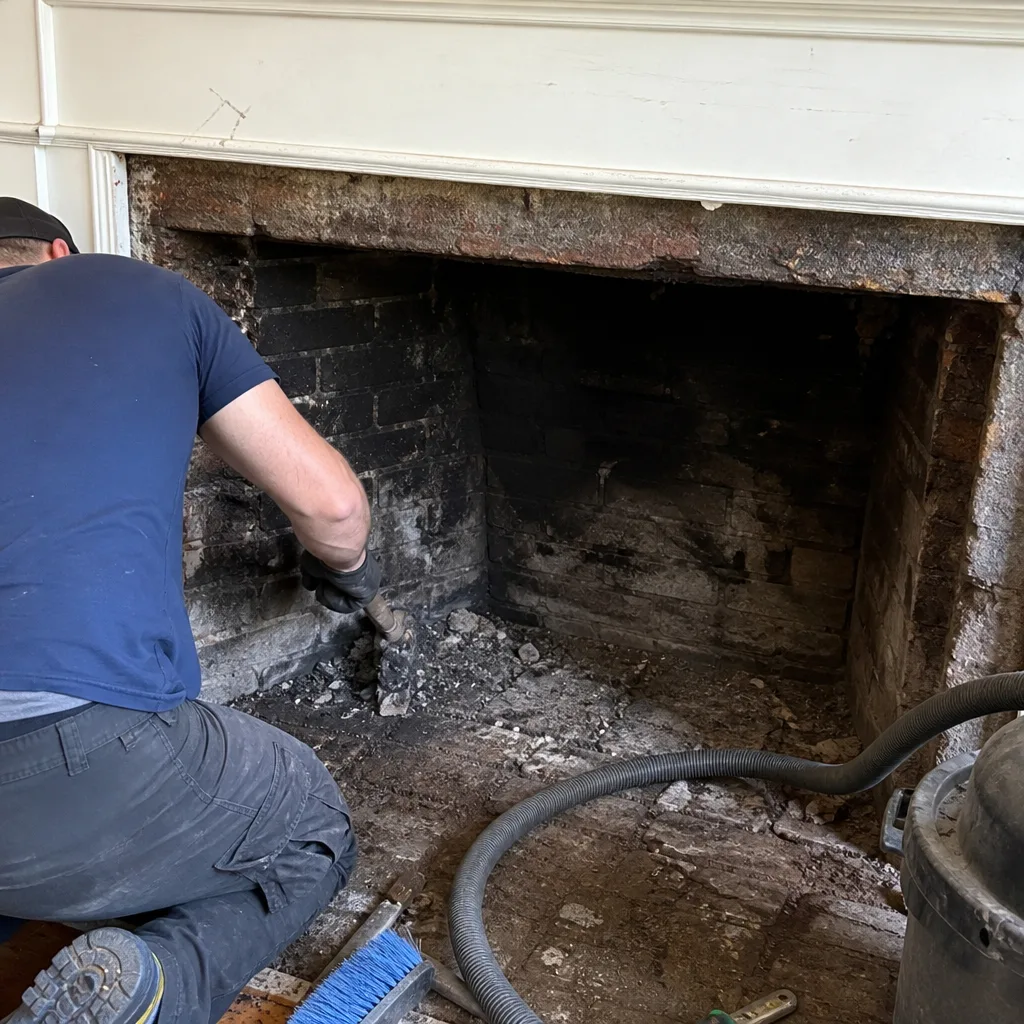 Before
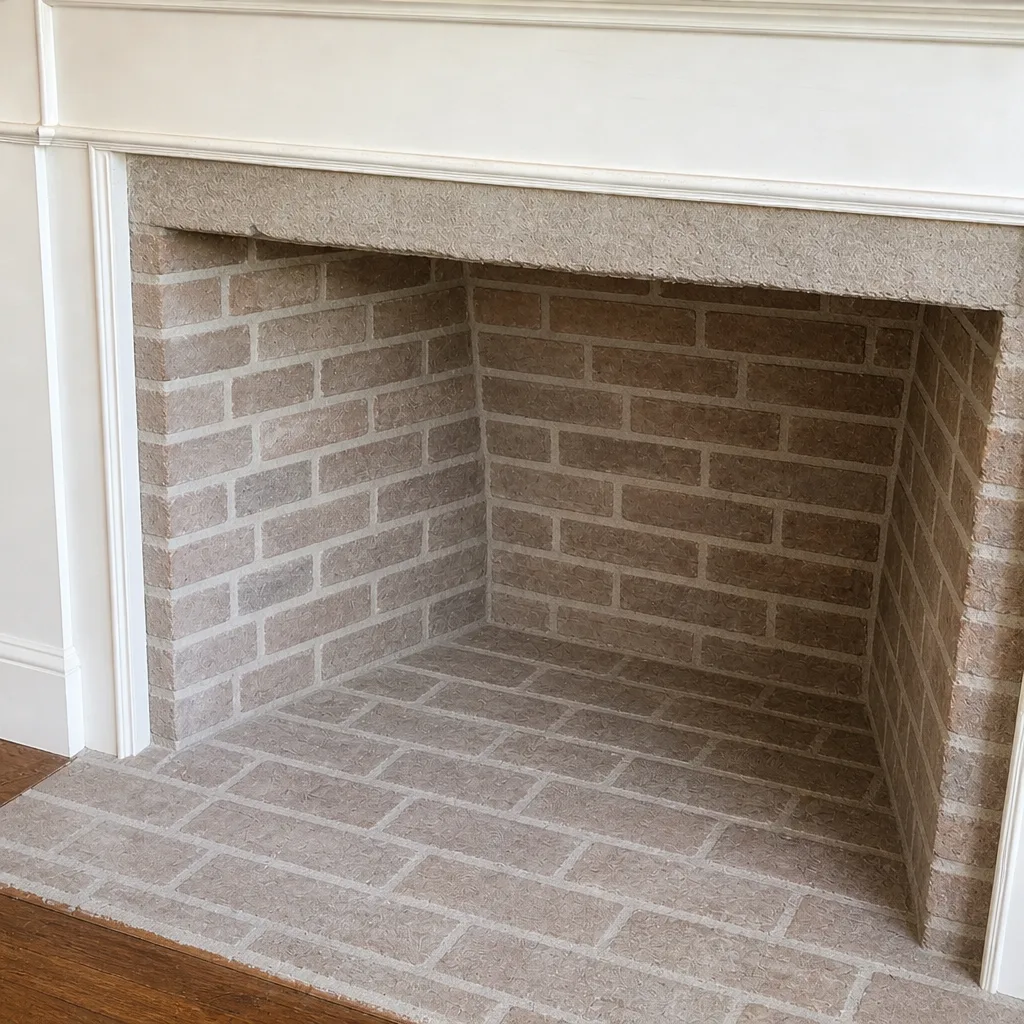 After